

 7,500+ Reviews
Professional Tick Control in Ontario
Ticks can be found in Ontario yards, gardens, wooded edges, tall grass, and shaded landscaping, where they may attach to people and pets passing through vegetation. Mosquito Man provides professional tick control services using on-site property assessment, identification of tick hotspots, and targeted perimeter treatment. Our Outdoor Tick Control program includes two scheduled treatments every 90 days, focusing on leaf litter, shaded landscaping, fence lines, and other areas where ticks may wait for a host.
- 2 Sprays
- Eco-Friendly
- No Contracts

Key Takeaways
Tick Control Ontario
-
Service Area
Communities throughout Ontario, including Toronto, Brampton, Burlington, Hamilton, London, Windsor, Kitchener, and surrounding areas.
-
Pest Treated
Ticks found in residential lawns, gardens, yards, wooded edges, and other outdoor areas.
-
Service Approach
On-site assessment, tick hotspot identification, targeted perimeter spraying, habitat management recommendations, and scheduled follow-up.
-
Common Tick Hotspots
Leaf litter, tall grass, shaded landscaping, garden edges, fence lines, wooded borders, and vegetation near outdoor living areas.
-
Treatment Schedule
Outdoor Tick Control includes two scheduled treatments every 90 days.
-
Health Considerations
Some tick species can transmit infections, including Lyme disease and anaplasmosis.
-
Prevention
Lawn maintenance, leaf-litter removal, vegetation management, personal tick checks, and veterinary prevention for pets.
-
Contact
Call 647-243-7241 or email info@mosquitoman.ca.
The Services
Our Tick Control Service
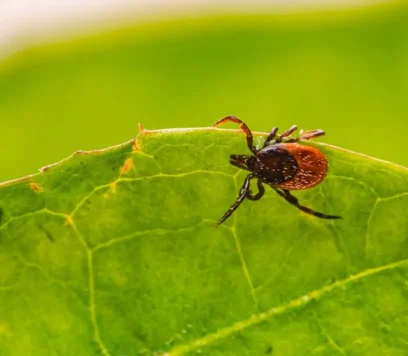
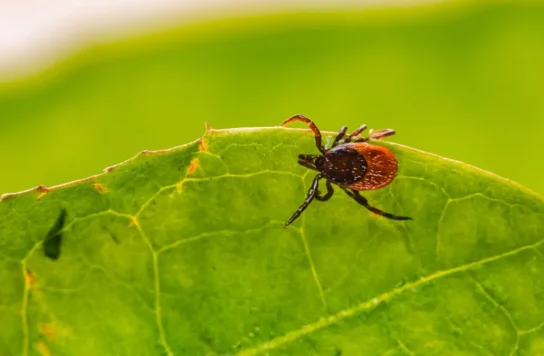
Ticks and mosquitoes have a lot of similarities, the main difference is that one is able to fly and the other is not however they both attach firmly when sucking blood. There are many different symptoms of tick-borne illnesses which includes headaches, muscle aches, fever along with experiencing the chills. Tick control is essential as they carry many pathogens for human diseases such as Lyme disease, Anaplasmosis along with Rock Mountain spotted fever. Pet owners should always be aware of the importance of tick prevention as this issue continues to grow yearly.
Areas We Serve Tick Control
what we do
Month Protection
Professional Grade Treatment
Licensed, insured technicians perform thorough inspections and build a customized plan — not just a spray. We find the source, eliminate breeding grounds, and create a lasting barrier.
Super Hero Guarantee
If tick return between treatments, we come back at no extra charge. That’s the Mosquito Man promise.
Our Method
Our Unique Approach To Tick Control
We take a unique approach to tick control. We arrive at your property and conduct an onsite assessment for each spray. We will then conduct a perimeter spray around the entire yard, the gardens, patios and/or anywhere else that ticks might infiltrate. The product we use has a long lasting residual to ensure that you will experience a significant reduction in tick activity over the course of the entire tick season! Learn more about our approach.
Initial Inspection
A trained specialist will measure out your property size and the coverage area. This helps us set the final price! Once our technicians arrive, they will conduct an onsite inspection to identify tick activity and hotspots.
Exterior Treatment
Your technician will carefully treat the entire perimeter of your yard and of other areas that may need protection. We will then return again later the season to inspect and treat your yard once again!
what we offer
Our Tick Control Packages
Outdoor Tick Control
Get 2 scheduled tick-control treatments every 90 days. We target leaf litter, shaded landscaping, fence lines and other areas where ticks may wait for people and pets.
Why Us
Why Choose Mosquito Man
We’re passionate about helping people just like you get rid of unwanted pest problems. As such, we are proud to be the only pest control company in Ontario promising excellence in value, service, and trust.
Value
After your pest inspection, we’ll provide you with a quote that makes sense for your budget and unique needs. No surprise fees, ever.
Service
We’re not happy unless you are. So if you’re not satisfied with your most recent service, we’ll make it right. That’s our Super Hero Guarantee.
Trust
We know you are putting a lot of trust in our family. So we promise to treat you and your home with the respect and care you deserve, always.
Questions
Frequently Asked Questions — Tick Control Ontario
Can’t find your answer? Our team is always happy to help.
Are Ticks Dangerous?
Where Do Ticks Hide in Residential Yards?
What Does Professional Tick Control Include?
How Often Is Outdoor Tick Control Performed?
Can Tick Treatment Be Applied Around Gardens and Patios?
How Can I Reduce Tick Habitat in My Yard?
Does Yard Treatment Replace Tick Prevention for Pets?
Does Mosquito Man Offer Tick Control Near Me?
Client Feedback
What Our Customers Say


Services Area
Areas We Serve
Mosquito Man has been protecting homes and yards across Ontario for over 8 years.
We cover: Barrie, Brampton, Burlington, Caledon, Cambridge, Hamilton, Kingston, Kitchener, London, Markham, Mississauga, Oakville, Oshawa, Richmond Hill, Sarnia, Sudbury, Toronto, Windsor, Woodstock and many surrounding communities.
Our Tick Control Services by Location
Tick Control in Toronto
Tick Control in North York
Tick Control in Scarborough
Tick Control in Etobicoke
Tick Control in Mississauga
Tick Control in Brampton
Tick Control in Vaughan
Tick Control in Markham
Tick Control in Richmond Hill
Tick Control in Pickering
Tick Control in Ajax
Tick Control in Whitby
Tick Control in Oshawa
Tick Control in Clarington
Tick Control in Aurora
Tick Control in Newmarket
Tick Control in Whitchurch-Stouffville
Tick Control in East Gwillimbury
Tick Control in Bradford
Tick Control in Caledon
Tick Control in Halton Hills
Tick Control in Vancouver
Tick Control in Ottawa
Tick Control in Brockville
Tick Control in Hamilton
Tick Control in Burlington
Tick Control in Oakville
Tick Control in Milton
Tick Control in Niagara
Tick Control in Kitchener
Tick Control in Waterloo
Tick Control in Cambridge
Tick Control in Woodstock
Tick Control in London
Tick Control in St. Thomas
Tick Control in Sarnia
Tick Control in Windsor
Tick Control in LaSalle
Tick Control in Lakeshore
Tick Control in Leamington
Tick Control in Halifax
Tick Control in Barrie
Tick Control in Wasaga Beach
Tick Control in Peterborough
Tick Control in Port Hope
Tick Control in Kingston
Tick Control in Sudbury
Tick Control in North Bay
Tick Control in Muskoka
Ready to Protect Your Property?
Don’t let pests take over your home.
Get a customized treatment plan from our experts and enjoy peace of mind all year round.
Pest Control in Ontario
Professional Tick Control in Ontario
Tick activity can affect residential properties where lawns meet gardens, wooded areas, tall grass, and shaded vegetation. Ticks do not fly or jump. Instead, they wait on vegetation and attach when a person or animal brushes against them.
Some tick species can transmit pathogens associated with illnesses such as Lyme disease and anaplasmosis. Reducing suitable tick habitat and managing activity around frequently used outdoor spaces are important parts of a broader prevention strategy.
Mosquito Man begins each treatment visit with an on-site assessment. Technicians identify areas where ticks may be present and apply targeted perimeter treatment around the yard, gardens, patios, and other appropriate locations.
The Outdoor Tick Control package includes two scheduled treatments every 90 days. Property maintenance and regular tick checks remain important because no yard treatment can guarantee that ticks will be absent.
Our 5-Step Ontario Tick Control Process

Step 1
Inspect the Property for Tick Activity
A technician assesses the property size, coverage area, and locations where ticks may be present.
Inspection focuses on leaf litter, shaded landscaping, tall grass, garden borders, fence lines, wooded edges, and other areas that provide suitable tick habitat.

Step 2
Identify Tick Hotspots and Habitat Conditions
The technician identifies locations where vegetation, shade, moisture, and accumulated organic material may support tick activity.
Recommendations may include mowing grass, removing leaf litter, trimming overgrown vegetation, and keeping frequently used outdoor areas clear of dense ground cover.

Step 3
Develop a Property-Specific Treatment Plan
Treatment areas are selected according to the inspection findings, property layout, and identified tick hotspots.
The plan may focus on the yard perimeter, garden edges, fence lines, shaded vegetation, and transitions between maintained lawn and wooded areas.

Step 4
Apply Targeted Exterior Tick Treatment
A technician applies perimeter treatment to appropriate outdoor areas where ticks may wait for people and pets.
Applications follow product-label directions and the technician’s preparation and re-entry instructions.

Schedule Follow-Up and Continue Prevention
Outdoor Tick Control includes two scheduled treatments every 90 days.
Between visits, homeowners should continue maintaining vegetation, removing leaf litter, checking themselves and their pets for ticks, and following veterinary tick-prevention advice.
Ontario Seasonal Tick Control Calendar
January–February
Activity may occur during milder periods when temperatures permit. Check pets after outdoor activity and maintain awareness around leaf litter and wooded areas.
March–April
Activity can increase as temperatures rise. Inspect yard edges, gardens, tall grass, and wooded borders; begin seasonal habitat management.
May–June
Nymphal tick activity becomes an important concern. Maintain lawns, remove leaf litter, and pay attention to shaded vegetation and frequently used outdoor areas.
July–August
Tick exposure can continue in suitable habitats. Monitor garden edges, wooded borders, fence lines, and pet activity routes.
September–October
Adult blacklegged tick activity can remain significant. Continue personal and pet tick checks and maintain yard edges and leaf-litter areas.
November–December
Some ticks may remain active during mild weather. Continue prevention when temperatures permit outdoor tick activity, particularly around wooded and leaf-covered areas.
Tick activity varies with temperature, moisture, species, and local habitat. Southern Ontario, Northern Ontario, waterfront communities, and wooded cottage areas may experience different seasonal conditions. Tick checks and habitat management remain important beyond the summer months, particularly during mild autumn and winter weather.
Tick Control Across Ontario Communities
Mosquito Man provides tick control throughout its Ontario service areas. Treatment planning reflects local vegetation, property layout, wooded surroundings, and the locations where people and pets spend time outdoors.
-
Toronto and the Greater Toronto AreaRavines, parks, mature landscaping, wooded edges, and residential gardens can create suitable tick habitat.
-
Brampton and MississaugaLandscaped yards, garden borders, green spaces, and shaded vegetation may require targeted assessment.
-
Markham, Vaughan, and Richmond HillWooded neighbourhoods, parks, mature vegetation, and residential properties can contain tick hotspots.
-
Oakville, Burlington, Milton, and HamiltonTrails, wooded borders, gardens, and established landscaping can influence tick exposure.
-
Kitchener, Waterloo, Cambridge, and GuelphResidential green spaces, shaded gardens, and transitions between lawns and wooded areas can support tick activity.
-
London and WoodstockMature trees, gardens, tall grass, and nearby natural areas can create suitable conditions.
-
Windsor, LaSalle, Leamington, and Essex CountyResidential landscaping, vegetation, and wooded or grassy property edges can influence activity.
-
Barrie and Wasaga BeachWooded lots, cottages, trails, and shaded outdoor spaces may require focused tick management.
-
Kingston and BellevilleWaterfront properties, gardens, wooded borders, and nearby natural areas can create tick exposure opportunities.
-
Sudbury and MuskokaWooded properties, cottage lots, tall grass, and leaf litter can provide suitable tick habitat.
Illustrative Ontario Tick Control Scenarios
These examples demonstrate how tick-control planning can change according to property conditions. They are hypothetical situations rather than actual customer case studies.
From the Mosquito Man Tick Control Team
“Every yard has different conditions that can support tick activity. We inspect the property, identify shaded vegetation and other likely hotspots, and focus treatment on the areas where people and pets may encounter ticks. Maintaining those areas between visits is an important part of the plan.”
— Tick Control Team
Mosquito Man vs. Other Tick Control Options
| Factor | Mosquito Man | General Pest-Control Provider | DIY Approach |
|---|---|---|---|
| On-site property assessment | Yes | Varies by provider | Self-assessment |
| Identification of tick hotspots | Yes | Varies by service | Self-directed |
| Property-specific treatment plan | Yes | Varies by service | Self-managed |
| Targeted yard perimeter treatment | Yes | Varies by service | Depends on product and application |
| Attention to shaded landscaping and wooded edges | Yes | Varies by service | Self-managed |
| Habitat management recommendations | Yes | Varies by provider | Self-managed |
| Scheduled outdoor treatments | Two treatments every 90 days | Varies by provider | Self-scheduled |
| Professional product application | Yes | Varies by provider | No |
Why Ontario Property Owners Choose Mosquito Man
-
On-Site Assessment
Technicians inspect the property before each scheduled treatment.
-
Tick Hotspot Identification
Treatment planning considers leaf litter, shaded landscaping, fence lines, and wooded edges.
-
Targeted Perimeter Treatment
Appropriate outdoor areas receive focused applications.
-
Property-Specific Coverage
The treatment plan reflects the yard size, layout, and conditions identified.
-
Scheduled Protection
Outdoor Tick Control includes two treatments every 90 days.
-
Licensed and Insured Technicians
Professional applications follow applicable product-label requirements.
-
Prevention Guidance
Homeowners receive practical recommendations for managing tick habitat.
-
Super Hero Guarantee
Applicable return-treatment provisions are subject to the selected service terms.
About the Ontario Tick Control Team
The Tick Control Team provides professional property assessment, identification of tick hotspots, targeted perimeter treatment, habitat management guidance, and scheduled follow-up for residential outdoor spaces.
Treatment planning considers property size, shaded vegetation, leaf litter, fence lines, garden borders, wooded edges, and areas frequently used by people and pets.
Reviewed and Updated: September 2026
How to Find Tick Control in Ontario
Location: Ontario, Canada
Phone: 647-243-7241
Email: info@mosquitoman.ca
Serving: Barrie, Brampton, Burlington, Caledon, Cambridge, Hamilton, Kingston, Kitchener, London, Markham, Mississauga, Oakville, Oshawa, Richmond Hill, Sarnia, Sudbury, Toronto, Windsor, Woodstock, and surrounding Ontario communities.
Enter your city or postal code to confirm local service availability and request an estimate.
Other Services
Effective Tick Control Strategies
How can I reduce tick populations in my yard?
Managing tick populations in your yard is crucial for maintaining a safe environment. The key to effective tick control is understanding their habitat and habits. Ticks thrive in areas with tall grass, weeds, and garden debris. To reduce their numbers:
- Maintain your lawn: Regularly mow your lawn to keep the grass short.
- Clear debris: Remove leaf litter, tall weeds, and garden debris where ticks like to hide.
- Create a barrier: Establish a three-foot-wide barrier of wood chips or gravel between lawns and wooded areas.
- Trim back shrubs and trees: This reduces shaded areas where ticks can find refuge.
- Keep play areas clear: Ensure children’s play areas are away from the yard’s edges and wooded areas.
What are the best methods to control ticks naturally?
Natural tick control methods are gaining popularity due to concerns about chemical pesticides. Integrated pest management (IPM) combines various strategies to manage pests with minimal environmental impact. Here are some natural tick control methods:
- Predators: Encourage natural predators such as birds and certain insects that feed on ticks.
- Organic tick repellents: Use organic tick repellents made from essential oils like rosemary, cedar, and eucalyptus.
- Beneficial nematodes: These microscopic worms can be applied to soil, where they attack tick larvae.
- Planting tick-repellent plants: Marigolds, rosemary, and lavender can deter ticks.
Are there chemical solutions for tick control that are safe for pets and children?
Using chemical tick control treatments can be effective, but safety for pets and humans is paramount. Here are some solutions that balance effectiveness with safety:
- Permethrin-based products: These can be used on clothing and outdoor gear but should be allowed to dry before use.
- Pet-safe pesticides: Look for products specifically labeled as safe for pets and children, often available through brands like Petland.
- Granular insecticides: Used sparingly around perimeters and areas frequented by ticks, these are less likely to come into direct contact with children and pets.
Always read labels and follow instructions carefully to ensure safety.
How often should I apply tick control treatments?
The frequency of tick control treatments depends on several factors, including climate and the level of tick activity. Generally, treatments should be applied:
- Spring and summer: These seasons see the highest tick activity, particularly the nymphal stage.
- After heavy rains: Moist environments are conducive to tick proliferation.
- Regularly scheduled intervals: Follow product-specific guidelines, typically every 30 days for chemical treatments and every few weeks for natural methods.
Understanding Ticks and Their Habitats
Where do ticks commonly hide in residential areas?
Ticks seek out moist, shaded areas and are commonly found in:
- Garden beds: Especially those with ample mulch or organic material.
- Shrubs and bushes: Areas with dense foliage provide shade and moisture.
- Lawn perimeters: Ticks often stay close to tall grass and wooded edges.
- Under decks and patios: These structures offer cooler, damp environments.
Regularly inspect these areas and take necessary preventive measures.
What time of year are ticks most active?
Ticks have distinct periods of high activity, closely related to their lifecycle stages:
- Spring and early summer: Nymphal ticks are most active during this time, posing a significant risk.
- Late summer and fall: Adult ticks are more prevalent.
Understanding this seasonal activity helps in planning effective tick control strategies.
How do ticks find their hosts?
Ticks locate their hosts through a process called questing:
- Sensory organs: Ticks use their Haller’s organs to detect heat, carbon dioxide, and vibrations from potential hosts.
- Grass and shrubs: Ticks climb to the tips of grasses or shrubs, waiting for a host to pass by.
Control measures such as keeping grass short and managing shrubbery can minimize the chances of ticks finding hosts in your yard.
How can I identify different tick species in my area?
Identifying tick species can help in understanding the specific risks they pose. Common tick species include:
- Black-legged tick (Ixodes scapularis): Known for transmitting Lyme disease.
- American dog tick (Dermacentor variabilis): Known for spreading Rocky Mountain spotted fever.
- Lone star tick (Amblyomma americanum): Recognizable by the white spot on its back and associated with ehrlichiosis.
Resources like the CDC and local university extension services provide detailed guides and images for accurate identification.
By identifying tick species correctly, you can tailor your control strategies more effectively.
Protection Tips Against Tick Bites
What precautions should I take when spending time outdoors?
Ticks can be a health risk, especially when you are outdoors. Here are some tips for tick prevention:
- Wear protective clothing: Choose long sleeves and long pants to cover your skin. Tucking your pants into your socks can add a barrier.
- Use tick repellent: Apply tick repellent on skin and clothes. Products with DEET or permethrin work well.
- Stay on trails: Avoid walking through tall grass, bushes, and leaves where ticks live.
- Check yourself regularly: After being outside, check your body and clothes for ticks. Showering after coming indoors can help remove ticks that have not latched on yet.
How can I protect my pets from ticks?
Protecting pets from ticks is important to prevent diseases like Lyme disease. Here’s how to keep them safe:
- Tick repellent collars: Use tick collars made for pets. They provide long-lasting protection.
- Veterinary products: Ask your vet for the best tick prevention products, including topical treatments and oral medications.
- Regular grooming: Brush your pets often to remove ticks before they latch on. Focus on areas like under the collar, between the toes, and inside the ears.
- Maintain tick habitat control: Keep your yard clean by mowing the lawn and removing leaf litter and tall grass.
What are effective tick repellents for humans?
Several tick repellents can help reduce the risk of tick bites. Consider these options:
- Chemical repellents: Products with DEET, picaridin, or permethrin are very effective. Apply them to both skin and clothing.
- Natural tick control: Essential oils like eucalyptus, lemon, and citronella can act as natural tick repellents, though they may be less effective than chemicals.
- Insect repellent sprays: Many commercial sprays are made specifically for ticks. Follow the instructions for best results.
- Appropriate clothing: Wear clothing treated with permethrin for long-lasting tick protection. Pre-treated clothing is also available for convenience.
How can I safely remove a tick?
Removing a tick safely is key to avoiding infections. Follow these steps:
- Use fine-tipped tweezers: Grasp the tick close to the skin’s surface.
- Pull steadily: Pull upward with even pressure without twisting or jerking.
- Clean the area: After removal, clean the bite area and your hands with alcohol, iodine scrub, or soap and water.
- Dispose of the tick: Place the tick in a sealed bag or container, wrap it in tape, or flush it down the toilet.
Tick-Borne Diseases: Risks and Prevention
What diseases can ticks transmit to humans and animals?
Ticks can carry many diseases that affect both humans and animals. Some common ones include:
- Lyme disease: Carried by blacklegged ticks, symptoms include fever, fatigue, and a bullseye rash.
- Anaplasmosis and Ehrlichiosis: These cause flu-like symptoms like muscle aches and fever.
- Rocky Mountain spotted fever: This serious illness causes severe headache, high fever, and rash.
- Canine tick-borne diseases: Dogs can get diseases like ehrlichiosis and Lyme disease.
How do I recognize symptoms of tick-borne illnesses?
Recognizing symptoms early is important for treatment. Common symptoms include:
- Fever and chills: A persistent fever can be a sign of infection.
- Rash: A rash, often bullseye-shaped, may appear with Lyme disease.
- Muscle and joint pain: Unexplained aches can indicate a tick-borne illness.
- Fatigue: Ongoing tiredness that does not improve with rest.
- Consult your doctor: See a doctor if you have these symptoms, especially after a tick bite.
What steps can I take to minimize the risk of tick-borne diseases?
Reducing the risk of tick-borne diseases involves taking preventive measures:
- Tick habitat control: Maintain your yard by trimming grass, clearing leaf litter, and creating barriers between lawns and wooded areas.
- Landscaping practices: Use biological tick control methods like introducing insects that eat ticks.
- Appropriate clothing: Wear long-sleeved shirts and pants treated with tick repellent.
- Regular tick checks: Check yourself, family members, and pets for ticks after being outdoors.
Are there vaccines available for tick-borne diseases?
Vaccines for tick-borne diseases are limited right now:
- Lyme disease vaccine for pets: Dogs can get vaccinated against Lyme disease. Ask your vet for details.
- Human vaccines under research: There is no Lyme disease vaccine for humans yet, but research is ongoing.
- Preventative measures: Use tick repellents, wear protective clothing, and maintain tick habitat control until vaccines are available.
For more information and specific product recommendations for tick protection, visit Mosquito Man’s comprehensive guide to tick prevention and control. Stay safe and protected outdoors!
Mosquito Man’s Tick Control Services
What makes our tick control service unique?
At Mosquito Man, we take pride in our unique tick control service. Our integrated tick management combines various methods for effective tick extermination. Whether you require tick removal in your yard, garden, or home, our solutions are designed to address the issue at its core. We use advanced techniques and high-quality products to ensure top-level tick pest control for your outdoor spaces.
What areas do we serve?
Mosquito Man offers tick control services across Ontario, Canada. We cater to:
- Lawns
- Gardens
- Yards
- Homes
- Farms
Whether you need tick control for your yard, garden, or large-scale farms, we have the expertise to handle it all.
How does our tick control process work?
Our tick control process is thorough and effective. Here’s how it works:
- Assessment: We start by inspecting your property to determine the level of tick infestation.
- Customized Plan: Based on our inspection, we create a specific tick control plan, using both chemical and biological methods.
- Implementation: Our team applies the chosen solutions, ensuring complete coverage.
- Monitoring and Maintenance: We regularly check the effectiveness of the treatment and make adjustments as needed.
This approach ensures long-lasting results and reduces tick populations in your outdoor spaces.
What are the benefits of choosing professional tick control over DIY methods?
Choosing professional tick control from Mosquito Man offers several benefits over DIY methods:
- Effectiveness: Professional products and methods are more reliable compared to DIY options.
- Safety: Our team is trained to use chemical solutions safely, reducing risks to your family and pets.
- Time-Saving: Let us handle the work, so you can enjoy your outdoor spaces without the hassle.
- Expertise: We use a mix of natural, organic, chemical, and biological methods tailored to your needs.
- Complete Solutions: Our services ensure all areas of concern are addressed thoroughly.
Comparing Tick Control Products
What are the most effective tick control products on the market?
There are several effective tick control products available, including:
- Sprays: Provide fast and wide coverage, ideal for large areas.
- Granules: Great for treating soil and offering long-term control.
- Biological Treatments: Use natural predators or pathogens to reduce tick numbers.
- Organic Tick Control: Made from natural ingredients, suitable for eco-conscious homeowners.
Each product has its own strengths, and our experts can help you choose the best option for your needs.
How should I choose between sprays, granules, and other treatments?
Choosing the right tick control product depends on several factors:
- Area Size: Sprays are great for larger areas, while granules work well in specific spots.
- Application Frequency: Some treatments need re-application more often than others.
- Environmental Impact: Consider eco-friendly and organic options if you want to reduce environmental harm.
- Effectiveness: Look at how quickly you need results and choose accordingly.
Our team can guide you to select the most effective tick control method for your situation.
Are there eco-friendly tick control options?
Yes, Mosquito Man offers several eco-friendly tick control options:
- Natural Tick Control: Uses natural ingredients to repel and eliminate ticks.
- Organic Tick Control: Certified organic treatments safe for the environment.
- Biological Tick Control: Methods that use natural predators or pathogens to manage tick populations effectively.
These options provide effective tick control while being kind to the environment.
How do I correctly use and store tick control products?
Proper use and storage of tick control products are essential for safety and effectiveness:
- Usage Instructions: Follow the manufacturer’s guidelines for application rates and timing.
- Protective Gear: Wear appropriate protective gear when applying chemical treatments.
- Storage: Keep products in a cool, dry place, away from children and pets.
- Disposal: Dispose of empty containers and unused products according to local regulations.
By following these steps, you ensure safe and efficient use of tick control products, maintaining effective tick control in your outdoor spaces.
Seasonal Tick Management Plans
How can I prepare my yard for tick season?
Preparing your yard for tick season is essential to ensure effective tick control and prevention. Here are some key steps you can take:
- Tick Habitat Control: Clear tall grass, weeds, and garden debris where ticks typically hide.
- Integrated Tick Management: Create a tick-free zone by separating play areas and patios from wooded or grassy areas.
- Trim Bushes: Keep bushes and shrubs well-trimmed to reduce tick habitats.
- Tick Prevention: Regularly inspect pets and humans for ticks after spending time outdoors.
By using these strategies, you can reduce tick numbers in your yard, making it safer for both pets and people.
What ongoing maintenance is required to keep ticks at bay?
Keeping ticks out of your yard requires regular work. Here’s what you need to do:
- Yard Maintenance: Mow the lawn often and keep leaf litter to a minimum.
- Garden Care: Remove piles of leaves and brush quickly to eliminate tick habitats.
- Pet Care: Check pets frequently for ticks and use tick prevention treatments as recommended by your vet.
- Nymphal Tick Control: Be extra careful in late spring and early summer when nymphal ticks are most active.
Effective tick control means using consistent tick management practices throughout the year.
How do seasonal changes affect tick activity?
Tick activity changes with the seasons due to weather and temperature. Knowing this helps in managing ticks by season:
- Winter: Ticks become dormant but may still be active on warmer days.
- Spring: Ticks emerge and become highly active; it’s key to start preventative measures.
- Summer: Peak tick activity; keep up with rigorous tick control practices.
- Fall: Ticks stay active until it gets too cold.
Different tick species have unique lifecycles and habitats, which may change their activity levels throughout the year. Watching weather patterns and adjusting your tick control methods can help manage tick numbers.
What should be included in a year-round tick management plan?
A full tick management plan should address all stages of the tick lifecycle and include regular monitoring and treatment. Here’s what you should include:
- Tick Lifecycle Control: Target all stages of the tick lifecycle with proper treatments.
- Integrated Tick Management: Use both chemical and non-chemical methods.
- Yard Monitoring: Regularly check your yard and surrounding areas for signs of tick activity.
- Pet Protection: Use vet-recommended tick prevention products year-round.
- Human Protection: Wear protective clothing and check for ticks whenever you spend time outdoors.
Following these steps ensures an effective approach to tick management, providing tick control throughout the year.
For more tips and product recommendations on effective tick management, visit Mosquito Man’s website.
Customer Experiences with Tick Control
What have past clients said about our services?
Our customers often give positive feedback about Mosquito Man’s tick control services. Reviews and testimonials show high customer satisfaction and impressive results. Many clients notice fewer ticks on their properties, which makes outdoor activities safer and more enjoyable. Here’s what some happy customers have shared:
- “The service was professional and effective. We noticed a big difference almost immediately!”
- “Mosquito Man’s tick control is the best we’ve tried. Our yard is now tick-free, and we couldn’t be happier.”
- “Excellent service! The team was knowledgeable, and the results speak for themselves.”
Are there case studies showcasing successful tick control?
We are proud of our proven results and have several success stories from our clients. Our case studies show the effectiveness of our services:
- Case Study 1: A local daycare centre had a big increase in ticks, risking children’s safety while playing outside. After starting our tick control program, the daycare saw a 95% drop in tick sightings within the first month.
- Case Study 2: A family in a wooded neighbourhood struggled with ticks for years. After using our treatment plan, they reported a huge decrease in ticks and could enjoy their backyard safely.
- Case Study 3: An apartment complex manager contacted us because tenants complained about ticks. Our targeted approach led to fewer tick encounters, increasing tenant satisfaction.
These examples highlight how reliable our services are.
How does customer feedback help improve our services?
Customer feedback is key to making our services better. We seek client input to improve our tick control offerings. Analyzing customer insights helps us find areas for optimization and address issues quickly. For example:
- Customer Input: Clients suggested follow-up visits during peak tick seasons. We made this change, leading to better long-term control.
- Service Enhancement: Feedback showed clearer communication on treatment timelines would help. We now give detailed schedules and expectations to all clients.
- Continuous Improvement: Ongoing client recommendations help us tackle new tick control challenges and improve our methods.
What common concerns do customers have, and how do we address them?
Addressing common customer concerns is a priority to ensure satisfaction and trust. Common issues and our responses include:
- Concern 1: “Are the treatments safe for pets and children?”
Solution: We use eco-friendly products that are safe for pets and children. We provide detailed safety information before application. - Concern 2: “How quickly will I see results?”
Solution: Most clients see fewer ticks within a few days. Full effectiveness appears after three weeks, depending on infestation severity. - Concern 3: “What if ticks return?”
Solution: We offer follow-up treatments and ongoing monitoring for sustained control. Our guarantee includes extra visits if needed.
Additional Resources and Support
Where can I find more information on ticks and tick control?
To learn more about ticks and tick control, check out these resources:
- Guides: Find comprehensive tick control guides on our website.
- Articles: Read educational articles on tick prevention and management.
- Knowledge Base: Access our knowledge base for detailed information.
Stay informed and protect your environment with reliable knowledge and practical tips.
Are there online forums or groups for discussing tick-related issues?
Join online forums and discussion groups to connect with others facing similar tick issues:
- Support Groups: Engage with support groups on social media platforms.
- Community Forums: Participate in community forums focused on pest control and tick prevention.
- Discussion Boards: Visit discussion boards to share experiences and gain insights from peers.
These communities are great for exchanging advice and finding peer support.
How can I stay updated on the latest tick control news?
Keep updated on the latest tick control news by:
- Newsletters: Subscribe to our newsletter for regular updates and expert advice.
- News Alerts: Sign up for alerts to get the latest information directly in your inbox.
- Industry News: Follow industry developments through our regularly updated news section.
Staying informed ensures you benefit from the newest advancements in tick control.
What should I do if I need further assistance with tick control?
If you need more help with tick control, we’re here for you:
- Customer Service: Contact our customer service team for personalised support.
- Additional Help: Visit our website for extra resources and service requests.
- Customer Care: Reach out via email or phone for prompt assistance.
At Mosquito Man, we are committed to providing the best support for all your tick control needs.
—
FAQs:
—
How can I effectively control ticks in my yard?
To control ticks in your yard, apply pesticides outdoors, especially in areas with tall grass, weeds, and garden debris. Regular mowing and removing leaf litter also helps. You can also use tick barriers or fences to keep them away.
What are natural methods for tick control?
Natural tick control methods include keeping your yard clean, using tick-resistant plants, and applying organic tick repellents. You can also attract birds to your yard since they eat ticks.
What precautions should I take when applying pesticides?
Always follow the manufacturer’s instructions when using pesticides. Wear protective clothing, avoid spraying on windy days, and keep children and pets away from treated areas until it’s safe.
Can ticks affect pets and livestock?
Yes, ticks can harm pets and livestock by causing discomfort and spreading diseases. Use tick collars, sprays, and repellent products designed for animals. Check your pets and livestock regularly for ticks.
How do I know if my pet has a tick infestation?
Signs of a tick infestation in pets include excessive scratching, visible ticks on their skin, and lethargy. Regularly groom and inspect your pets to find and remove ticks early.
What is the best time of year to focus on tick control?
Ticks are most active during warmer months, from spring through fall. Start tick control measures before this period to reduce the risk of infestations.
Are chemical tick controls safe for my garden?
Chemical tick controls can be effective but must be used carefully to avoid harming helpful insects and plants. Use targeted treatments and always follow safety guidelines.
How can I protect myself from ticks while gardening?
Wear long sleeves, pants, and tick repellent while gardening. Avoid working in overgrown areas and check yourself for ticks after being outdoors.
Key Insights
- Ensure tick control by using a mix of methods like chemical tick control, natural tick control, and biological control.
- Improve lawn care with aeration, fertilization, and pest management for issues like grubs, crabgrass, and Japanese beetles.
- Use insecticides and repellents such as Spectracide, BioAdvanced, and Sevin to handle pests like moths, flies, bees, and wasps.
- Take care of your trees and garden by managing pests like caterpillars, spider mites, aphids, and cicadas to keep evergreens, perennials, and shade trees healthy.
- Combat infestations with products like tick collars for pets and insect repellent sprays to protect your home, yard, and garden.
- Stay updated with practices and research from places like the University of Maine and Cornell University College of Veterinary Medicine on pest control and disease tracking.
- Use tools like string trimmers, leaf blowers, and lawn mowers for good landscape care and pest control.
- Keep informed on health aspects of pest control with resources from the Center for Disease Control (CDC), VCA Animal Hospitals, and Merck.
- Sign up for our email list to get updates on pest control methods, product tips, and special deals, keeping your property pest-free.
- Check consumer reports and guides from stores like The Home Depot and retailers in Toronto, Ontario for trusted pest control products and tools.
