

 7,500+ Reviews
Mosquito Control Every 21 Days
Mosquitoes can make Ontario yards, patios, decks, and gardens uncomfortable during the warmer months, particularly where standing water, dense shrubs, shaded vegetation, and nearby wooded areas support their activity. Mosquito Man provides professional mosquito control services using property inspection, standing-water assessment, larvicide application where appropriate, and targeted barrier spraying of mosquito harbourage areas. Our seasonal treatment program helps homeowners manage recurring mosquito activity and enjoy their outdoor spaces with fewer interruptions.
- Barrier Spray
- Eco-Friendly
- No Contracts

Key Takeaways
Mosquito Control Ontario
-
Service Area
Communities throughout Ontario, including Toronto, Ottawa, Hamilton, London, Windsor, Barrie, Kingston, and surrounding areas.
-
Pest Treated
Mosquitoes affecting residential yards, patios, decks, gardens, and outdoor living spaces.
-
Service Approach
Property inspection, breeding-site identification, standing-water management, larvicide application where appropriate, and targeted barrier spraying.
-
Common Mosquito Hotspots
Dense shrubs, shaded foliage, wooded edges, damp garden areas, and standing-water containers.
-
Treatment Schedule
Yard Protection includes five scheduled treatments approximately every 21 days.
-
Typical Treatment Duration
Approximately three to four weeks, depending on rainfall, environmental conditions, and the treatment selected.
-
Re-Entry
Follow the technician’s instructions and wait until treated surfaces are completely dry before returning to the yard.
-
Contact
Call +1 647-243-7241 or email info@mosquitoman.ca.
The Services
Our Mosquito Control & Spraying Service
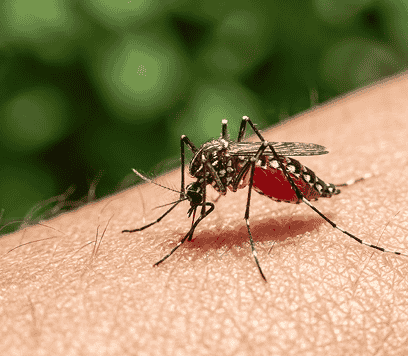
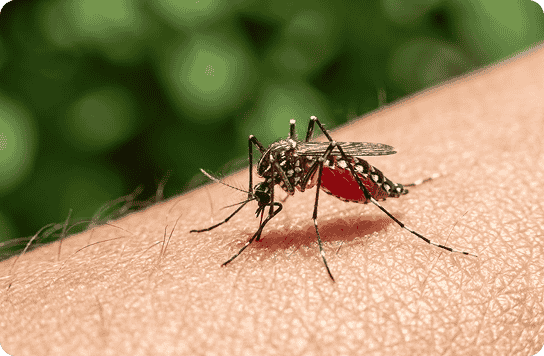
When it’s mosquito season in Ontario, it’s tempting to hide inside. Mosquitoes ruin the warmer months and expose your family to dangerous diseases like Zika and West Nile Virus.
Mosquito Man can help! Our service is more than a deterrent, it breaks the breeding cycle so you can stop munching pests for good.
Areas We Serve Tick Control
what we do
Days Protection
Professional Grade Treatment
Licensed, insured technicians perform thorough inspections and build a customized plan — not just a spray. We find the source, eliminate breeding grounds, and create a lasting barrier.
Super Hero Guarantee
If mosquitoes return between treatments, we come back at no extra charge. That’s the Mosquito Man promise.
Our Method
Our Unique Approach To Mosquito Spraying
Your service starts with a thorough inspection by a highly-trained technician. We build a complete, customized plan, spotting conditions conducive to mosquito existence, tackling current populations, and breaking the never-ending cycle so you can enjoy your yard.
Mosquito Inspection & Larvicide Application
We’ll thoroughly inspect your property for signs of mosquito activity and identify breeding grounds.
We’ll begin with the obvious areas (old tires, buckets, wheelbarrows and empty water from them.
Mosquito Barrier Spray
Mosquitoes are commonly found in trees, bushes, shrubs, and other heavily wooded areas because they feed on plant nectar. So we’ll use a backpack sprayer to target these areas and insecticide. This treatment kills mosquitoes on contact and bonds to foliage, where it keeps them away for weeks to come.
what we offer
Our Mosquito Control Packages
Yard Protection
Get five targeted mosquito-control treatments every 21 days. We focus on trees, shrubs, foliage, and key harbouring points to ensure you are protected.
Full Protection
Combine five mosquito yard treatments with two exterior home treatments for broader protection throughout your home and outdoor living areas.
Why Us
Why Choose Mosquito Man
We’re passionate about helping people just like you get rid of unwanted pest problems. As such, we are proud to be the only pest control company in Ontario promising excellence in value, service, and trust.
Value
After your pest inspection, we’ll provide you with a quote that makes sense for your budget and unique needs. No surprise fees, ever.
Service
We’re not happy unless you are. So if you’re not satisfied with your most recent service, we’ll make it right. That’s our Super Hero Guarantee.
Trust
We know you are putting a lot of trust in our family. So we promise to treat you and your home with the respect and care you deserve, always.
Questions
Frequently Asked Questions — Mosquito Control Ontario
Can’t find your answer? Our team is always happy to help.
Are Mosquitoes Dangerous?
How Long Does Mosquito Control Treatment Last?
What Does Mosquito Control Treatment Include?
Do You Treat Standing Water?
How Long Should I Wait Before Using My Yard After Treatment?
How Often Should My Yard Be Treated for Mosquitoes?
Can Mosquito Treatment Be Used Around Children and Pets?
Which Ontario Communities Does Mosquito Man Serve?
Client Feedback
What Our Customers Say


Services Area
Areas We Serve
Mosquito Man has been protecting homes and yards across Ontario for over 8 years.
We cover: Barrie, Brampton, Burlington, Caledon, Cambridge, Hamilton, Kingston, Kitchener, London, Markham, Mississauga, Oakville, Oshawa, Richmond Hill, Sarnia, Sudbury, Toronto, Windsor, Woodstock and many surrounding communities.
Our Mosquito Control Services by Location
Mosquito Control in Ajax
Mosquito Control in Aurora
Mosquito Control in Barrie
Mosquito Control in Belleville
Mosquito Control in Bradford
Mosquito Control in Brampton
Mosquito Control in Brantford
Mosquito Control in Burlington
Mosquito Control in Caledon
Mosquito Control in Cambridge
Mosquito Control in Chatham
Mosquito Control in Clarington
Mosquito Control in East Gwillimbury
Mosquito Control in Etobicoke
Mosquito Control in Guelph
Mosquito Control in Halifax
Mosquito Control in Halton Hills
Mosquito Control in Hamilton
Mosquito Control in Kawartha Lakes
Mosquito Control in Kenora
Mosquito Control in Kingston
Mosquito Control in Kitchener
Mosquito Control in LaSalle
Mosquito Control in Lakeshore
Mosquito Control in Leamington
Mosquito Control in London
Mosquito Control in Markham
Mosquito Control in Milton
Mosquito Control in Mississauga
Mosquito Control in Muskoka
Mosquito Control in Newmarket
Mosquito Control in Niagara
Mosquito Control in North York
Mosquito Control in Oakville
Mosquito Control in Oshawa
Mosquito Control in Ottawa
Mosquito Control in Pickering
Mosquito Control in Richmond Hill
Mosquito Control in Sarnia
Mosquito Control in Scarborough
Mosquito Control in Toronto
Mosquito Control in Vancouver
Mosquito Control in Vaughan
Mosquito Control in Wasaga Beach
Mosquito Control in Waterloo
Mosquito Control in Whitby
Mosquito Control in Whitchurch Stouffville
Mosquito Control in Windsor
Mosquito Control in Woodstock
Ready to Protect Your Property?
Don’t let pests take over your home.
Get a customized treatment plan from our experts and enjoy peace of mind all year round.
Pest Control in Ontario
Professional Mosquito Control in Ontario
Ontario’s warmer months create favourable conditions for mosquitoes around residential properties. Rainfall, standing water, shaded vegetation, and nearby natural areas can influence where mosquitoes breed, rest, and gather.
A yard does not need a pond to experience recurring mosquito activity. Water collecting in buckets, wheelbarrows, discarded containers, clogged drainage areas, and other small receptacles can provide breeding opportunities. Adult mosquitoes may rest in shaded shrubs, trees, dense foliage, and protected areas close to outdoor living spaces.
Mosquito Man technicians inspect the property to identify potential breeding sites and adult mosquito harbourage. Treatment planning combines source reduction with targeted applications to suitable vegetation and other identified activity areas.
Seasonal Yard Protection provides five treatments approximately every 21 days. The program is designed to address recurring mosquito pressure throughout the warmer months rather than relying on a single application.
Our 5-Step Ontario Mosquito Control Process

Step 1
Inspect the Property for Mosquito Activity
A technician examines the yard for conditions that may support mosquitoes, including standing water, shaded vegetation, dense shrubs, wooded edges, damp areas, and protected outdoor spaces.
The inspection helps identify potential breeding sites and locations where adult mosquitoes may rest.

Step 2
Identify and Reduce Breeding Sites
The technician identifies containers and other locations where water may accumulate.
Buckets, wheelbarrows, old tires, plant saucers, and similar receptacles should be emptied or managed where practical. Reducing accessible standing water helps interrupt mosquito breeding.

Step 3
Apply Larvicide Where Appropriate
Where standing water cannot reasonably be removed and treatment is suitable, larvicide may be applied according to product-label directions.
Larvicide targets mosquito larvae before they develop into adults. The technician determines whether application is appropriate for the water source and property conditions.

Step 4
Apply Targeted Mosquito Barrier Treatment
A backpack sprayer is used to treat suitable vegetation and identified adult mosquito harbourage areas.
Treatment may focus on trees, bushes, shrubs, dense foliage, wooded edges, and other locations identified during inspection. Applications follow applicable product-label directions.

Schedule Seasonal Treatments and Monitor Conditions
Recurring treatment helps address mosquito activity as weather and environmental conditions change.
Yard Protection includes five scheduled treatments approximately every 21 days. The technician may also recommend continued standing-water management and vegetation maintenance between visits.
Ontario Seasonal Mosquito Control Calendar
January–February
Limited exposed adult mosquito activity occurs during freezing conditions. Review drainage, stored containers, and areas where water may accumulate later in the year.
March–April
Mosquito activity may begin as temperatures rise. Inspect standing-water sources, gutters, containers, and shaded yard areas for potential breeding conditions.
May–June
Mosquito activity increases as the outdoor season develops. Begin seasonal treatment planning and address breeding sites around the property.
July–August
Mosquito activity can recur during warm weather, particularly after rainfall. Maintain the treatment schedule and monitor shrubs, foliage, wooded edges, and standing water.
September–October
Mosquito activity may continue while temperatures remain suitable. Continue treatment where required and manage late-season water accumulation around the property.
November–December
Outdoor mosquito activity generally declines with colder conditions. Remove or store water-holding containers and review drainage before winter.
Mosquito season does not begin or end on the same date throughout Ontario. Southern communities may experience suitable conditions earlier than northern areas, while rainfall, shade, vegetation, and nearby water can influence activity at individual properties. Seasonal treatment should therefore follow local conditions and the selected service schedule.
Mosquito Control Across Ontario Communities
Mosquito Man provides mosquito control throughout its Ontario service areas. Property conditions vary between urban neighbourhoods, suburban developments, waterfront communities, wooded lots, and cottage areas.
-
Toronto and the Greater Toronto AreaLandscaped yards, ravines, parks, shaded gardens, and outdoor living spaces can provide mosquito harbourage.
-
Mississauga and BramptonResidential landscaping, mature shrubs, garden beds, and standing-water containers can contribute to seasonal activity.
-
Markham, Vaughan, and Richmond HillWooded edges, parks, mature vegetation, and residential yards may require targeted inspection.
-
Oakville, Burlington, Milton, and HamiltonGardens, established landscaping, waterfront environments, and shaded outdoor spaces can influence mosquito pressure.
-
OttawaSeasonal rainfall, vegetation, and residential outdoor areas affect mosquito activity during the warmer months.
-
Kitchener, Waterloo, Cambridge, Guelph, and BrantfordGardens, shaded yards, wooded edges, and nearby green spaces can support recurring activity.
-
London and WoodstockMature neighbourhoods, residential landscaping, and outdoor living areas may contain mosquito resting sites.
-
Windsor and Essex CountyWarm-season conditions, vegetation, and water-holding areas can contribute to mosquito activity.
-
Barrie and Wasaga BeachLakeside properties, wooded areas, cottages, and shaded yards may experience seasonal mosquito pressure.
-
Kingston, Belleville, and Kawartha LakesWaterfront settings, gardens, mature vegetation, and surrounding natural areas can influence activity.
-
Sudbury and MuskokaWooded lots, cottages, shaded vegetation, and nearby water can create recurring mosquito concerns.
Illustrative Ontario Mosquito Control Scenarios
These examples demonstrate how mosquito-control planning can change according to property conditions. They are hypothetical situations rather than actual customer case studies.
From the Mosquito Man Mosquito Control Team
“Mosquito treatment starts with understanding the property. We look for standing water and the shaded places where mosquitoes rest, then focus treatment on those areas. Regular visits and practical prevention measures help us manage mosquito activity as conditions change throughout the season.”
— Mosquito Man Mosquito Control Team
Mosquito Man vs. Other Ontario Mosquito Control Options
| Factor | Mosquito Man | General Pest-Control Provider | DIY Approach |
|---|---|---|---|
| Professional property inspection | Yes | Varies by provider | Self-assessment |
| Breeding-site identification | Yes | Varies by service | Self-directed |
| Standing-water management guidance | Yes | Varies by service | Self-managed |
| Larvicide application where appropriate | Available | Varies by provider | Depends on product and application |
| Targeted vegetation treatment | Yes | Varies by service | Self-managed |
| Seasonal treatment schedule | Five treatments approximately every 21 days | Varies by provider | Self-scheduled |
| Professional product application | Yes | Varies by provider | No |
| Follow-up under applicable service terms | Available | Varies by provider | Self-managed |
Why Ontario Property Owners Choose Mosquito Man
-
Property-Specific Inspection
Technicians identify potential breeding sites and adult mosquito harbourage before treatment.
-
Source Reduction
Standing-water conditions are assessed to help address mosquito breeding.
-
Targeted Barrier Treatment
Suitable shrubs, trees, foliage, and other identified resting areas receive focused applications.
-
Larvicide Where Appropriate
Suitable standing-water sources can receive treatment according to product-label directions.
-
Seasonal Yard Protection
Five scheduled treatments approximately every 21 days address recurring mosquito activity.
-
Licensed and Insured Technicians
Professional applications follow the requirements for the products and services used.
-
Outdoor Living Focus
Treatment planning considers patios, decks, gardens, play areas, and other frequently used spaces.
-
Super Hero Guarantee
Applicable return-treatment provisions are subject to the selected service terms.
About the Ontario Mosquito Control Team
The Mosquito Man team provides professional mosquito inspection, breeding-site assessment, larvicide application where appropriate, targeted barrier spraying, and seasonal treatment for residential properties throughout Ontario.
Treatment planning accounts for standing water, vegetation, shade, wooded edges, rainfall, outdoor living areas, and other conditions identified during inspection. Yard Protection provides five scheduled treatments approximately every 21 days.
Reviewed and Updated: September 2026
How to Find Mosquito Man in Ontario
Mosquito Man — Ontario Service Area
Location: Ontario, Canada
Phone: +1 647-243-7241
Email: info@mosquitoman.ca
Serving: Toronto, Brampton, Burlington, Caledon, Cambridge, Hamilton, Kingston, Kitchener, London, Markham, Mississauga, Oakville, Oshawa, Richmond Hill, Sarnia, Sudbury, Windsor, Woodstock, and surrounding Ontario communities
Hours: Open 24 hours, Monday through Sunday
Other Services
Comprehensive Mosquito Control Solutions
What Are the Most Effective Mosquito Control Products?
There are various mosquito control products available that cater to different needs:
- Mosquito Traps: These attract and capture mosquitoes, making them ideal for backyard mosquito control. They help reduce mosquito populations effectively.
- Mosquito Dunks: These target mosquito larvae by releasing bacteria harmful to mosquitoes but safe for other wildlife.
- Mosquito Foggers: These devices disperse insecticides in a mist form to quickly eliminate adult mosquitoes. They provide immediate relief but may need repeated use.
- Mosquito Coils: Burning these coils releases smoke that repels mosquitoes, offering localized protection for outdoor areas.
- Mosquito Repellent Candles: Often containing citronella, these candles help deter mosquitoes in specific spaces.
- Mosquito Torches: Similar to candles, torches use repellents like citronella to create a protective barrier.
- Mosquito Barrier: This involves spraying a liquid around a perimeter to keep mosquitoes out.
Choose a product based on factors like infestation level, area size, and personal preferences.
How Do Mosquito Misting Systems Work?
Mosquito misting systems offer continuous mosquito control through a series of steps:
- Installation: Nozzles are placed around the protected area, often on fences or buildings.
- Programming: The system is set to release a fine insecticide mist at intervals for consistent mosquito control.
- Chemical Dispersion: When activated, the system disperses a spray that targets mosquitoes on contact.
- Maintenance: It’s important to refill the chemical reservoir and keep the nozzles clear.
What Types of Mosquito Repellents Are Available?
Various mosquito repellents are available to suit different needs and preferences.
Chemical-Based Repellents
These repellents are widely used due to their effectiveness:
- Bug Sprays: Contain DEET or picaridin for application on skin or clothing.
- Mosquito Sprays: Can be used on outdoor furniture and surfaces as well.
- Insect Repellents: Available in aerosol, pump spray, and lotion forms for comprehensive coverage.
Natural Mosquito Repellents
Eco-friendly options for mosquito control include:
- Mosquito Repellent Plants: Plants like lavender, citronella, and marigold naturally repel mosquitoes.
- Organic Mosquito Control: Uses essential oils like eucalyptus or tea tree oil.
- DIY Mosquito Control: Home solutions with natural ingredients like garlic or vinegar.
- Eco-Friendly Mosquito Control: Practices like maintaining a clean yard to remove breeding grounds.
Benefits of Using Mosquito Nets and Screens
Mosquito nets and screens are effective tools for mosquito control:
- Mosquito Nets: Act as a physical barrier around sleeping areas, preventing bites at night.
- Mosquito Screens: Installed on windows and doors to keep mosquitoes out while allowing fresh air in.
Both methods enhance mosquito prevention efforts.
Advanced Mosquito Control Techniques
How Can Integrated Mosquito Management Help?
Integrated mosquito management (IMM) uses a strategic approach to reduce mosquito populations:
- Mosquito Management: Combines biological, physical, and chemical methods for effective control.
- Mosquito Control Program: Designed to address specific regional needs.
- Vector Control: Aims at managing mosquito populations that spread diseases.
What Are Biological Control Methods for Mosquitoes?
Biological control methods provide eco-friendly mosquito solutions:
- Mosquito Larvae Control: Uses natural predators or pathogens to reduce larvae.
- Eco-Friendly Mosquito Control: Employs bio-control agents like fish or bacteria that target mosquitoes safely.
Can Ultrasonic Devices Effectively Control Mosquitoes?
Ultrasonic mosquito repellent devices emit high-frequency sounds to deter mosquitoes:
- Effectiveness: Research shows mixed results; they are generally considered supplementary to other methods.
Why Is Thermal Fogging Used in Mosquito Control?
Thermal fogging involves releasing insecticides in a thermal mist:
- Mosquito Management: Offers immediate reduction in adult mosquito numbers.
- Pest Control: Suitable for large areas and peak mosquito times.
Using these methods together can achieve effective mosquito control, ensuring a safer environment. For more information, visit Mosquito Man’s website.
Understanding Mosquito Behavior
What Attracts Mosquitoes to Humans?
Mosquitoes are drawn to humans by several factors, including carbon dioxide, body heat, and sweat. When we exhale, we release carbon dioxide, which attracts mosquitoes. Our body heat and natural skin odours also play a role. Studies show that chemicals like lactic acid in sweat can make some people more appealing to mosquitoes than others.
How Do Mosquitoes Breed and Thrive?
Mosquitoes have a lifecycle that includes eggs, larvae, pupae, and adults. They lay eggs in stagnant water sources like puddles and containers. These breeding sites are essential for their lifecycle. The eggs hatch into larvae, then develop into pupae before emerging as adults. Environmental conditions like temperature and humidity greatly affect this lifecycle, making mosquito management vital in controlling their population.
What Are the Common Habitats for Mosquitoes?
Mosquitoes often live in areas with stagnant water and shaded spots outdoors. Identifying and managing these habitats is key to effective mosquito control.
Stagnant Water Sources
Puddles, containers, and similar environments with stagnant water serve as prime breeding grounds for mosquito larvae. Effective backyard mosquito control involves regular inspection and removal of these water sources to prevent breeding.
Shaded Outdoor Areas
Shaded outdoor areas with lots of vegetation provide resting places and natural habitats for mosquitoes. Good outdoor mosquito control strategies include trimming vegetation and reducing shaded areas where mosquitoes can rest.
Protecting Against Mosquito-Borne Diseases
Which Diseases Are Transmitted by Mosquitoes?
Mosquitoes spread several diseases, such as malaria, dengue fever, Zika virus, West Nile virus, chikungunya, and yellow fever. These mosquito-borne diseases pose significant public health threats, requiring strong mosquito control measures to limit their spread.
How Can You Reduce the Risk of Mosquito-Borne Illnesses?
To reduce the risk of mosquito-borne illnesses:
- Use mosquito repellent: Apply insect repellents on exposed skin.
- Wear protective clothing: Long-sleeved shirts and pants reduce skin exposure.
- Apply insecticides: Use chemical treatments in high-risk areas to control mosquito populations.
- Eliminate breeding sites: Regularly remove stagnant water sources to prevent breeding.
- Install mosquito nets: Use mosquito nets, especially in sleeping areas, for protection from bites.
- Get vaccinated: Vaccinations for certain diseases, such as yellow fever, are recommended in endemic regions.
- Implement public health measures: Community-wide initiatives and public health campaigns help reduce mosquitoes.
What Vaccines Are Available for Mosquito-Related Diseases?
Vaccines available for mosquito-borne diseases include:
- Malaria vaccine: Available in some regions, it helps lower malaria cases.
- Dengue vaccine: Provides immunity against dengue fever, especially in high transmission areas.
- Yellow fever vaccine: Essential for travel to endemic regions, offering protection from the virus.
Importance of Public Awareness and Community Initiatives
Public awareness and community initiatives are crucial for effective mosquito control. Education campaigns inform people about mosquito prevention and vector control. Community involvement in identifying and eliminating breeding sites enhances overall mosquito management. Government programs and healthcare awareness support the prevention of mosquito-borne diseases, ensuring a collaborative approach to public health and safety.
Eco-Friendly Mosquito Control Options
Eco-friendly mosquito control is key to reducing environmental impact while managing mosquito populations. By employing natural mosquito control and vector control methods, homeowners can keep mosquitoes away without harmful chemicals.
Are There Organic Mosquito Control Methods?
Yes, organic mosquito control methods exist and effectively reduce mosquito populations without side effects. These methods include:
- Biological controls: Using natural predators like dragonflies and bats.
- Botanical insecticides: Neem oil or pyrethrin-based products.
- Essential oils: Eucalyptus, lavender, and citronella oils act as natural repellents.
How Do Mosquito Repellent Plants Work?
Mosquito repellent plants naturally deter mosquitoes from your garden. These plants release compounds that repel mosquitoes. Key examples include:
- Citronella: Releases a lemon-scented oil that masks other attractants.
- Lavender: Its fragrant flowers and leaves contain oils that repel mosquitoes.
- Marigolds: Emit a distinct smell that keeps mosquitoes away.
Can DIY Mosquito Control Be Effective?
DIY mosquito control can be effective if done correctly. Strategies include:
- Homemade traps: Sugar and yeast traps lure and trap mosquitoes.
- Essential oil sprays: Blend essential oils like tea tree and eucalyptus with water for a natural mosquito repellent.
- Environmental management: Eliminate standing water around the home.
What Are Eco-Friendly Mosquito Control Solutions?
Eco-friendly mosquito control solutions reduce reliance on chemical treatments. Here are some recommended options:
Solar-Powered Mosquito Traps
Solar-powered mosquito traps are an excellent eco-friendly option. They use solar energy to power a light source, attracting mosquitoes into a net or adhesive surface where they die.
Ecological Insecticides
Ecological insecticides, such as those made from bacteria like Bacillus thuringiensis israelensis (Bti), target mosquito larvae without harming other wildlife. These are ideal for natural mosquito control and vector control.
Residential Mosquito Control Strategies
Implementing strategic mosquito control at home helps maintain a comfortable and safe environment. Below are various strategies to consider.
What Steps Can Be Taken for Backyard Mosquito Control?
Effective backyard mosquito control involves several steps:
- Regularly mow the lawn: Tall grass provides cover for mosquitoes.
- Remove stagnant water: Items like bird baths and flowerpot saucers should be emptied regularly.
- Plant repellent vegetation: Include mosquito-repelling plants like marigolds and basil in your garden.
How to Eliminate Mosquito Breeding Sites at Home?
Eliminating mosquito breeding sites is critical in residential mosquito control. Methods include:
- Draining standing water: Ensure gutters are clean and patios are well-drained.
- Introducing larvicides: Use Bti in ponds or containers where water cannot be drained.
- Maintaining pools: Regularly treat and filter pool water to prevent mosquito larvae.
Are Mosquito Zappers Effective for Home Use?
Mosquito zappers can be effective, though their efficiency varies. They attract mosquitoes using UV light, electrocuting them upon contact. For best results:
- Place zappers strategically: Position them away from human activity areas.
- Combine with other methods: Use zappers alongside traps and repellents for comprehensive control.
Best Practices for Seasonal Mosquito Control
Seasonal mosquito control requires proactive measures:
- Early spring treatments: Begin larvicide treatments early in the season.
- Use repellents: Apply eco-friendly repellents during peak mosquito times.
- Inspect barriers: Ensure window screens and doors are intact to prevent entry.
By following these eco-friendly mosquito control strategies and incorporating natural and organic methods, homeowners can effectively manage mosquito populations while protecting the environment. Mosquito Man offers a wide range of solutions tailored to various needs.
Innovations in Mosquito Control Technology
Innovations in mosquito control have greatly progressed, providing new ways to manage mosquito populations. These advances are vital for vector control and pest management. Some technology-driven mosquito control solutions include genetic engineering and the sterile insect technique. Each of these innovations adds to a thorough mosquito management plan.
What Are the Latest Advances in Mosquito Control?
Recent developments in mosquito control emphasize products and techniques that improve efficacy in mosquito management. Key innovations include:
- Smart Traps: Equipped with sensors, these traps capture and monitor mosquito movements effectively.
- Biological Control Agents: Natural predators are introduced to help lower mosquito populations.
- Automated Drone Spraying: This method efficiently distributes mosquito control products over large areas.
These advances are crucial for effective mosquito control programs.
How Does Genetic Engineering Help in Mosquito Control?
Genetic engineering is a modern method used in mosquito control. By altering mosquito genes, scientists aim to reduce their numbers and disrupt disease transmission. This involves:
- Sterilizing Mosquitoes: Genetically-modified mosquitoes are released to breed with wild populations, resulting in non-viable offspring.
- Disease Resistance: Creating mosquitoes that cannot transmit diseases like malaria or dengue.
Research supports these methods as promising mosquito management strategies, complementing existing pest control efforts.
What Is Sterile Insect Technique (SIT)?
The Sterile Insect Technique (SIT) offers a novel approach to mosquito control. It involves the release of sterilized male mosquitoes into the wild. Key elements of SIT include:
- Non-Toxic Approach: This uses irradiation or chemical sterilizers without leaving harmful residues.
- Population Suppression: There is a reduction in mosquito populations over time due to non-reproductive breeding.
SIT is a major part of modern mosquito control solutions, aiding vector control and reducing pest numbers efficiently.
Future Trends in Mosquito Control Research
Future trends in mosquito control research focus on sustainable and efficient methods. Emerging areas include:
- Genomic Insights: Understanding mosquito genetics for better control strategies.
- Integrated Pest Management: Combining biological, physical, and chemical tactics.
- AI and Data Analytics: Using technology to forecast outbreaks and enhance control measures.
These advancements promise improved mosquito control techniques and solutions for long-term effectiveness.
Commercial Mosquito Control Approaches
Commercial mosquito control includes various professional services designed for large-scale needs. Key approaches involve:
- Fogging and Spraying: Timely application of insecticides over large areas.
- Larviciding Programs: Targeting larvae at breeding sites to prevent them from growing into adults.
Such strategies are central to vector control, ensuring effective pest management at commercial levels.
What Solutions Are Available for Large-Scale Mosquito Control?
For broad mosquito management, several solutions are available:
- Aerial Application: Efficient deployment of mosquito control products over large territories.
- Barrier Treatments: Establishing protective zones around crucial areas.
- Community Engagement: Encouraging local participation in mosquito control programs.
Each solution addresses specific challenges associated with large-scale mosquito control initiatives.
How Do Businesses Implement Mosquito Control Measures?
Businesses implement mosquito control measures by integrating tailored solutions into their operations. Steps include:
- Site Assessment: Evaluating potential mosquito habitats.
- Customized Treatment Plans: Applying targeted control methods.
- Monitoring and Maintenance: Continuously assessing pest control effectiveness.
These steps ensure businesses maintain effective mosquito management and comply with pest control requirements.
Benefits of Professional Mosquito Control Services
Professional mosquito control services offer many benefits:
- Expertise and Precision: Trained professionals provide effective mosquito management.
- Comprehensive Solutions: Access to advanced mosquito control products and methods.
- Safety and Compliance: Following health regulations while ensuring public safety.
These services enhance vector control efforts, delivering reliable mosquito control solutions.
Case Studies on Successful Commercial Mosquito Control
Successful case studies illustrate the effectiveness of commercial mosquito control:
- Urban Parks Initiative: Reduced mosquito populations through targeted spraying and community education.
- Industrial Site Management: The use of barrier treatments and larvicides led to decreased pest activity.
These examples demonstrate effective mosquito management and the impact of professional mosquito control.
Evaluating Mosquito Control Effectiveness
Evaluating mosquito control is essential to understand the success of mosquito management efforts. Effective mosquito control not only reduces mosquito populations but also minimizes the risk of mosquito-borne diseases.
How to Measure the Success of Mosquito Control Efforts?
Measuring the success of mosquito control efforts involves several metrics:
- Reduction in Mosquito Population: Quantified through regular mosquito surveillance and trapping.
- Decrease in Disease Incidence: Monitoring the incidence of mosquito-borne diseases like West Nile virus or Zika provides critical data.
- Community Feedback: Collecting feedback from residents about changes in mosquito activity can offer valuable insights.
- Environmental Impact: Assessing the impact on non-target species and overall ecosystem health ensures sustainable practices.
What Are Indicators of Effective Mosquito Management?
Effective mosquito management can be identified through the following indicators:
- Consistent Decline in Mosquito Numbers: Regularly observed through trapping and surveillance data.
- Lower Reports of Mosquito Nuisance: A decrease in complaints from the community.
- Reduced Transmission Rates: Fewer cases of diseases spread by mosquitoes.
- Positive Outcomes in Public Health Campaigns: Successful results from educational and preventive measures.
Common Challenges in Mosquito Control
Mosquito control faces several common challenges:
- Resistance to Insecticides: Mosquitoes developing resistance to commonly used chemicals.
- Environmental Concerns: Balancing effective control with the need to protect non-target species.
- Climate Change: Altering patterns of mosquito breeding and habitat availability.
- Public Cooperation: Ensuring community participation and compliance with preventive measures.
Continuous Improvement in Mosquito Control Practices
Continuously improving mosquito control practices is crucial for long-term success. Strategies include:
- Regular Training and Education: Keeping staff updated on the latest methods and technologies.
- Research and Development: Investing in new tools and techniques for more effective control.
- Adopting Integrated Pest Management (IPM): Utilising a combination of biological, physical, and chemical methods.
- Monitoring and Evaluation: Regularly assessing outcomes to refine and optimise practices.
Government and Community Roles in Mosquito Control
Both government and community play pivotal roles in mosquito control:
- Government Roles: Setting regulations, providing funding, and ensuring enforcement of control measures.
- Community Roles: Participating in local programs, eliminating standing water, and following public health guidelines.
- Collaboration: Essential between municipalities, agencies, and residents to achieve comprehensive control.
What Regulations Govern Mosquito Control Operations?
Mosquito control operations are governed by various regulations:
- Federal and Provincial Laws: Establishing standards for pesticide use and environmental protection.
- Local Bylaws: Municipal guidelines for property maintenance and water management.
- Health and Safety Standards: Ensuring the safety of workers and the public during control activities.
How Do Community Programs Aid Mosquito Control?
Community programs significantly aid mosquito control by:
- Raising Awareness: Educating residents on preventive measures.
- Engaging Volunteers: Involving community members in inspection and clean-up drives.
- Initiating Source Reduction: Encouraging actions like removing standing water and proper waste disposal.
- Fostering Local Partnerships: Collaborating with schools, businesses, and other organisations.
Importance of Collaboration Between Municipalities
Collaboration between municipalities is vital for effective mosquito control:
- Shared Resources: Pooling funding, equipment, and expertise.
- Coordinated Efforts: Synchronizing control measures across regions to prevent re-infestation.
- Joint Research Initiatives: Conducting studies and sharing findings to improve control strategies.
Examples of Successful Public Health Campaigns
Several public health campaigns have demonstrated success in mosquito control:
- “Fight the Bite” Campaign: Focused on educating the public about personal protection and habitat reduction.
- Community Clean-Up Drives: Organised events to eliminate mosquito breeding sites.
- School Outreach Programs: Teaching children about mosquito prevention through interactive sessions.
- Mass Media Campaigns: Utilising TV, radio, and social media to spread awareness and preventive tips.
—
FAQs:
—
Q: What are the best methods to control mosquitoes in my backyard?
Effective methods include mosquito spraying, installing mosquito repellent systems, and using mosquito magnets. Our team can help with backyard treatments tailored to your needs.
Q: What types of equipment are used for mosquito control?
Common equipment includes mosquito sprayers, swatters, and ultrasonic repellers. We also use specialized chemicals and larva control techniques to reduce mosquito populations.
Q: How does mosquito spraying work and is it safe?
Mosquito spraying targets adult mosquitoes and eliminates them upon contact. Health Canada regulates these sprays to ensure safety for humans and pets. Always follow local guidelines.
Q: Can you help with pest control beyond mosquitoes?
Yes, we provide comprehensive pest control services for various insects and other pests. Our methods are research-driven and comply with government regulations.
Q: Are there any regional variations in mosquito control techniques in Canada?
Techniques can vary. For instance, southern Ontario and cities like Ottawa have specific regulations. We coordinate with local authorities like the Regional Districts of North Okanagan and Central Okanagan to ensure compliance.
Q: How can I prevent mosquitoes from breeding around my home?
Eliminate standing water, repair holes in screens, and install bat houses as bats prey on mosquitoes. Integrated pest management is often effective.
Q: What should I do if I suspect a mosquito-borne disease?
Report immediately to local health authorities such as the City of Ottawa’s public health department. Quick action is crucial for potential infectious diseases.
Q: Where can I find more information on mosquito control regulations in Canada?
Visit official sources like Health Canada’s website or local government pages. We also provide detailed insights and support on our site.
