
January–February
Inspect basements, utility openings, storage spaces, and indoor food sources.
Where are you located?

 7,500+ Reviews

Key Takeaways
Eligible Canadian communities within Mosquito Man's service coverage.
Rats affecting residential and eligible commercial properties.
Basements, crawl spaces, garages, kitchens, storage rooms, wall voids, and exterior foundations.
Droppings, gnaw marks, scratching sounds, damaged packaging, burrows, and repeated rodent sightings.
Active infestation areas, entry points, food and water sources, harbourage, and structural vulnerabilities.
Based on infestation evidence, building conditions, occupant safety, and applicable pest-control requirements.
Vulnerable openings should be assessed and secured using appropriate rodent-resistant materials and methods.
Improve sanitation, reduce accessible food sources, maintain structural barriers, and monitor ongoing activity.
The Services
AREAS WE SERVE RAT CONTROL
what we do
what we offer
Rat Control
Our rat control package includes 4 visits over 12 months to eliminate existing infestations and help prevent future rat activity. During the initial visit, our technicians strategically place bait stations in areas where rat activity has been detected. After 2 weeks, we return to assess the infestation, seal potential entry points, and refill the bait stations. Follow-up visits are scheduled every 3 months to monitor rat activity, replenish bait, and ensure continued protection for your property.
Why Us
We’re passionate about helping people just like you get rid of unwanted pest problems. As such, we are proud to be the only pest control company in Ontario promising excellence in value, service, and trust.
After your pest inspection, we’ll provide you with a quote that makes sense for your budget and unique needs. No surprise fees, ever.
We’re not happy unless you are. So if you’re not satisfied with your most recent service, we’ll make it right. That’s our Super Hero Guarantee.
We know you are putting a lot of trust in our family. So we promise to treat you and your home with the respect and care you deserve, always.
Questions
Can’t find your answer? Our team is always happy to help.
Rat-control services are available in eligible service areas where applicable. Contact Mosquito Man with your property location and a description of the activity to confirm availability.
Common signs include droppings, gnaw marks, scratching sounds, damaged food packaging, burrows, greasy rub marks along travel routes, and repeated rat sightings.
Rats may enter through gaps around foundations, doors, vents, utility penetrations, damaged exterior materials, and other vulnerable openings. Entry routes vary according to the building and rodent species.
Improper handling of rodents, droppings, traps, or pesticides can create health and safety risks. Professional assessment can help identify appropriate control measures and precautions for occupants and pets.
The time required depends on infestation severity, building conditions, available entry points, and the effectiveness of control and exclusion measures. Some properties may require additional monitoring or follow-up treatment.
Secure garbage, store food in sealed containers, clean spills, reduce clutter, address accessible water sources, and maintain rodent-resistant building openings. Regular monitoring can help identify new activity.
Exclusion recommendations depend on the property and inspection findings. Vulnerable openings may require rodent-resistant materials and appropriate timing to avoid creating additional problems inside the building.
Rat-control availability depends on the service area. Contact Mosquito Man with your location and a description of the rodent activity to confirm whether service is available for your property.
Client Feedback


Services Area
Mosquito Man has been protecting homes and yards across Ontario for over 8 years.
We cover: Barrie, Brampton, Burlington, Caledon, Cambridge, Hamilton, Kingston, Kitchener, London, Markham, Mississauga, Oakville, Oshawa, Richmond Hill, Sarnia, Sudbury, Toronto, Windsor, Woodstock and many surrounding communities.
Don’t let pests take over your home.
Get a customized treatment plan from our experts and enjoy peace of mind all year round.
Rat Control
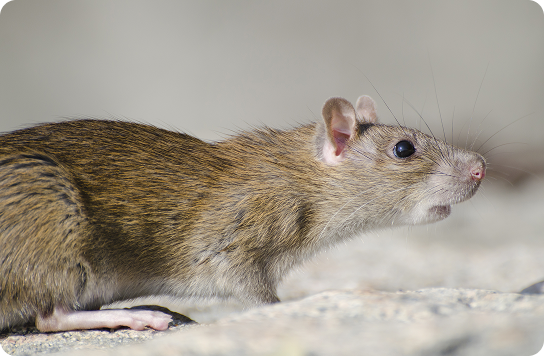
Rats can cause problems when they enter buildings in search of food, water, and shelter. They may contaminate stored food, damage packaging, gnaw building materials, and create sanitation concerns in occupied spaces. Professional rat control begins with identifying the extent of the activity and determining which conditions allow rodents to enter and remain on the property.
Rats may travel through wall voids, crawl spaces, basements, utility penetrations, and concealed service areas. Outdoors, they may shelter beneath debris, around foundations, or in burrows near buildings. An inspection helps identify activity patterns, likely entry routes, nesting or harbourage areas, and accessible food and water sources.
Both Norway rats and roof rats may be encountered in Canada, although their distribution and preferred habitats vary by region. Norway rats commonly use ground-level shelter and burrows, while roof rats are more strongly associated with climbing and elevated access where they occur. Identifying the likely rodent species can help guide inspection priorities and control recommendations.
Rat infestations can develop around detached homes, townhouses, apartment buildings, restaurants, warehouses, retail properties, and other buildings with accessible shelter and food sources. Waste-storage practices, damaged exterior materials, plumbing openings, and cluttered storage areas can contribute to recurring activity.
Mosquito Man develops property-specific rat-control recommendations based on inspection findings, infestation severity, building layout, and applicable pest-management requirements. Suitable control measures may be combined with sanitation improvements, exclusion recommendations, and monitoring to address the conditions supporting rodent activity.
Property owners can support prevention by storing food in sealed containers, securing waste, cleaning spills, reducing clutter, repairing vulnerable openings, and addressing accessible water sources. Follow-up inspections or monitoring may be recommended to assess remaining activity and determine whether additional measures are necessary.

Step 1
The technician evaluates reported rat activity, accessible potential harbourage areas, droppings, gnaw marks, structural openings, and other evidence around the property.

Step 2
Inspection focuses on where rats may be entering or sheltering, the extent of visible activity, and which food, water, sanitation, or structural conditions may be contributing to the infestation.

Step 3
The recommended approach considers infestation severity, building layout, accessibility, occupants, pets, non-target wildlife, and applicable pest-control requirements.

Step 4
Suitable rat-control measures are selected according to inspection findings, product-label requirements, and applicable regulations. Exclusion recommendations address vulnerable openings while accounting for active rodent movement and building conditions.

The technician provides guidance on sanitation, reducing food and water sources, maintaining rodent-resistant barriers, monitoring activity, and determining whether additional treatment or inspection is needed.
Inspect basements, utility openings, storage spaces, and indoor food sources.
Review foundation gaps, outdoor waste storage, and potential burrows.
Monitor droppings, gnawing, nesting evidence, and vulnerable access points.
Maintain sanitation, reduce clutter, and address accessible water sources.
Inspect exterior openings, doors, vents, and utility penetrations.
Monitor recurring activity and maintain exclusion and sanitation measures.
Rats can remain active throughout the year, especially where buildings provide reliable food, water, and shelter. Seasonal weather may change where activity is most visible, but winter conditions do not necessarily eliminate an established infestation. Regular inspections, waste management, and maintenance of structural barriers can help reduce the conditions supporting recurring rodent problems.
Rat activity can occur around detached homes, townhouses, multi-unit residential buildings, restaurants, retail premises, warehouses, storage facilities, and other eligible commercial properties. The appropriate response depends on infestation evidence, building conditions, sanitation practices, and available access points.
Potential areas requiring attention include:
Utility openings, stored materials, and concealed spaces may provide rodent access and shelter.
Protected areas beneath buildings can support movement and harbourage.
Accessible food, spills, and gaps around plumbing may attract rodents.
Stored materials, door gaps, and exterior connections may provide entry opportunities.
Some rats may travel through concealed structural spaces and elevated routes.
Unsecured waste can provide a reliable food source.
Damaged packaging and poorly sealed containers may allow contamination.
Gaps, damaged materials, and burrows near buildings may indicate access routes.
Openings around pipes, cables, and vents may permit rodent movement.
Loading areas, waste facilities, storage rooms, and food-handling spaces may require site-specific assessment.
Older buildings, newer developments, properties near commercial waste areas, and premises with extensive utility infrastructure can present different rat-control challenges. A detailed inspection helps determine whether activity is primarily outdoors, concentrated inside the building, or connected through multiple access points.
Rat-control planning should distinguish between occasional exterior sightings and an established infestation involving repeated activity, harbourage, or building entry.
These examples are hypothetical and illustrate how rat-control recommendations may vary according to property conditions. They are not actual customer case studies.
Property Type:
Detached residential home
Pest Concern:
Scratching sounds, droppings, and suspected rat activity in a basement
Situation:
A homeowner discovers droppings near stored materials and notices scratching sounds around a utility wall. An exterior inspection reveals gaps near service penetrations and accessible waste-storage areas.
Control Approach:
The technician inspects accessible activity areas, assesses potential entry points, reviews food and water sources, and develops an appropriate rat-control and exclusion plan based on the findings.
Expected Outcome:
The homeowner receives recommendations for addressing confirmed rodent activity, improving sanitation, and reducing future access through vulnerable openings.
Property Type:
Eligible commercial property with an exterior waste-storage area
Pest Concern:
Repeated rat sightings and suspected harbourage near waste containers
Situation:
Staff observe rodents near the waste-storage area and find disturbed soil beside an exterior structure. The property manager is unsure whether rats have also entered the building.
Control Approach:
Inspection evaluates accessible exterior harbourage, waste-management conditions, potential building entry points, and evidence of interior activity. Recommendations combine appropriate pest-management measures with sanitation and exclusion priorities.
Expected Outcome:
The property manager receives a clearer understanding of the activity and a plan for reducing accessible food, shelter, and entry opportunities.
“Effective rat control begins with identifying where rodents are active, how they enter buildings, and which conditions support an infestation. We inspect potential harbourage areas, assess structural vulnerabilities, and recommend appropriate control, exclusion, and prevention measures based on the property.”
— Mosquito Man Rat Control Team
| Factor | Mosquito Man | General Pest Control Provider | DIY Approach |
|---|---|---|---|
| Property inspection | Yes | Varies by provider | Self-assessment |
| Assessment of rodent activity | Yes | Varies by provider | Self-directed |
| Identification of entry points | Yes | Varies by service | Self-directed |
| Consideration of occupants and pets | Included in planning | Varies by provider | Requires product and safety knowledge |
| Property-specific control planning | Yes | Varies by provider | Self-managed |
| Exclusion recommendations | Based on inspection findings | Varies by service | Self-managed |
| Sanitation and prevention guidance | Yes | Varies by provider | Self-directed |
| Follow-up recommendations | Based on property conditions | Varies by provider | Self-managed |
| Local service availability | Available where applicable | Varies by provider | Not applicable |
Control planning begins with identifying rodent activity and likely harbourage areas.
Treatment options reflect infestation evidence, building conditions, and inspection findings.
Vulnerable openings around foundations, doors, vents, and utilities can be evaluated.
Recommendations account for occupants, pets, non-target animals, and applicable requirements.
Control measures are selected according to site conditions and product-label instructions.
Practical recommendations help reduce accessible food, water, and shelter.
Additional inspection or treatment may be recommended based on continuing activity.
Rat-control services are available where applicable within eligible Mosquito Man service areas.
The Mosquito Man Rat Control Team helps property owners assess rodent activity around residential and eligible commercial properties.
The service begins with an inspection of accessible areas to identify signs of infestation, potential entry points, harbourage conditions, and factors that may be attracting rats.
Control, exclusion, sanitation, and prevention recommendations are developed according to the property and inspection findings, with attention to building conditions, occupant safety, and applicable requirements.
Updated: October 2026
Location: Eligible Mosquito Man service areas in Canada
Service: Professional Rat Control
Phone: +1 647-243-7241
Email: info@mosquitoman.ca
Serving: Residential and eligible commercial properties within participating service areas, subject to local rat-control availability.
Contact Mosquito Man with your property location, a description of the rat activity, and any known potential entry points to confirm service availability and discuss the property.
