7,500+ Reviews
Knowing when ticks are most active is critical for effective tick control in Vancouver Unlike some pests that disappear in cold months, certain tick species in British Columbia can remain active at surprisingly low temperatures. Understanding the seasonal rhythm of tick activity helps residents and property owners stay protected and plan their prevention strategies throughout the year.
Spring Tick Activity in Vancouver
Spring marks the beginning of peak tick season across the Greater Vancouver Area. As temperatures climb above 4°C, both adult ticks that overwintered and emerging nymphs become active. Nymphs — which are tiny and easily missed — are responsible for a large proportion of tick-borne disease transmission because they are difficult to detect on skin or clothing.
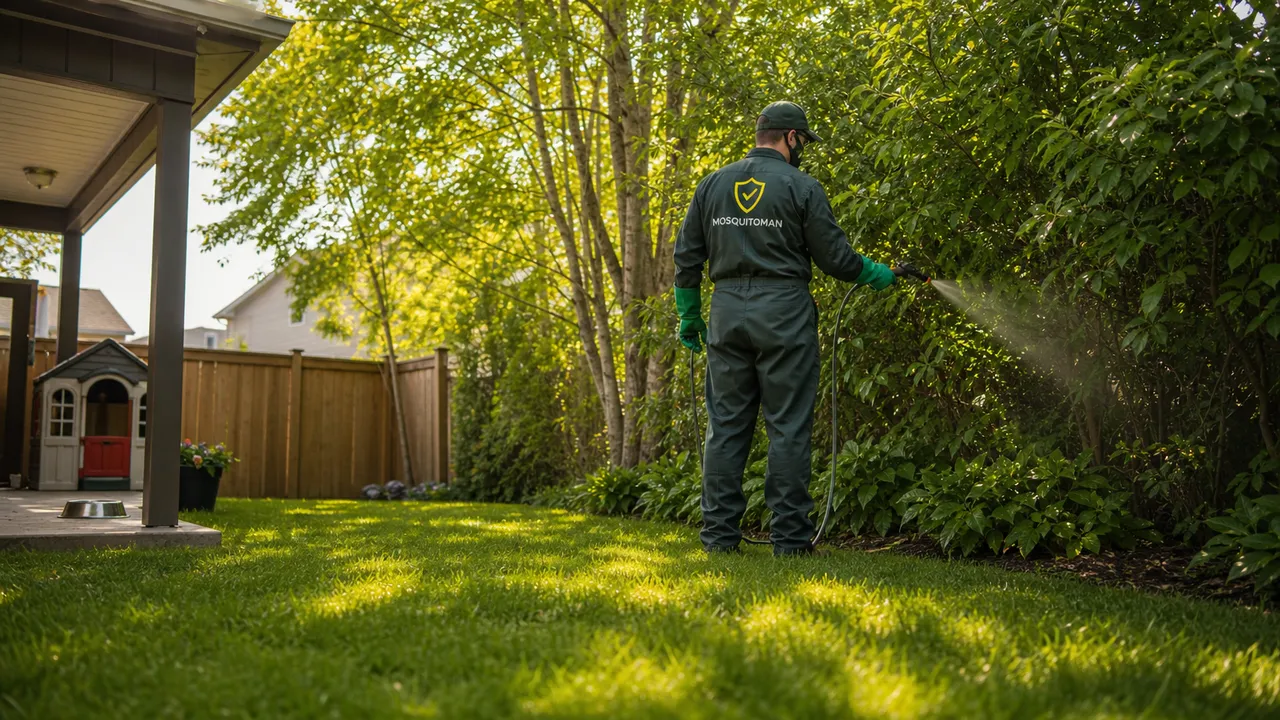
Early prevention during spring helps interrupt the tick life cycle before populations build. Yard treatments applied in March or April target ticks before they have a chance to find hosts and reproduce.
Summer Peak Season
Summer is when tick activity in Vancouver reaches its highest levels. Warm temperatures and consistent humidity create ideal conditions for tick survival, host-seeking behaviour, and population growth. Residents hiking in natural areas, letting pets roam in wooded backyards, or spending time near park edges face the highest exposure during these months.
Regular tick control treatments during summer are essential for keeping populations at manageable levels. Professional services typically recommend treatments every 30 days during this high-activity period.
Fall Tick Activity
As temperatures drop in September and October, adult ticks become especially active in their search for a final blood meal before winter. This makes fall a critical and often overlooked window for tick exposure in Vancouver. Mild autumn weather — common in the Lower Mainland — can extend this active period well into November.
Late-season treatments help eliminate remaining tick populations and reduce the number that will survive to reproduce the following spring.
Winter Tick Awareness
- Remove standing water and clean drainage areas before freeze
- Clear leaf litter from yard perimeters before snowfall
- Store outdoor furniture and containers to limit tick harborage
- Continue checking pets for ticks during mild winter days
While tick activity is lowest in winter, Vancouver’s mild coastal climate means complete dormancy is rare. Mild spells can bring ticks back to activity unexpectedly, so vigilance should continue year-round.
Why Consistent Year-Round Control Matters
Sporadic or single-season tick control leaves gaps that allow populations to rebound quickly. A structured approach that addresses each seasonal phase — spring emergence, summer peak, and fall activity — delivers far superior results than reactive treatments alone. Consistency is the cornerstone of effective tick management in Vancouver.
Benefits of Seasonal Tick Control Planning
- Interrupts tick life cycles before populations explode
- Reduces disease transmission risk across all active months
- More cost-effective than emergency treatments after an infestation
- Better long-term yard protection with less chemical use overall
Understanding Vancouver’s tick season empowers residents to take the right preventive steps at the right time — keeping families and pets safer throughout the year.
Frequently Asked Questions: Tick Season Vancouver
When does tick season start in Vancouver?
Tick activity typically begins in early spring, as soon as temperatures consistently exceed 4°C, often in March or April.
Are ticks active in Vancouver in winter?
Some species remain active during mild winter days. Vancouver’s coastal climate means ticks rarely go completely dormant.
When is the highest risk period for tick bites in BC?
Late spring through early summer, when nymphal ticks are active, represents the highest risk period for tick-borne disease transmission.