7,500+ Reviews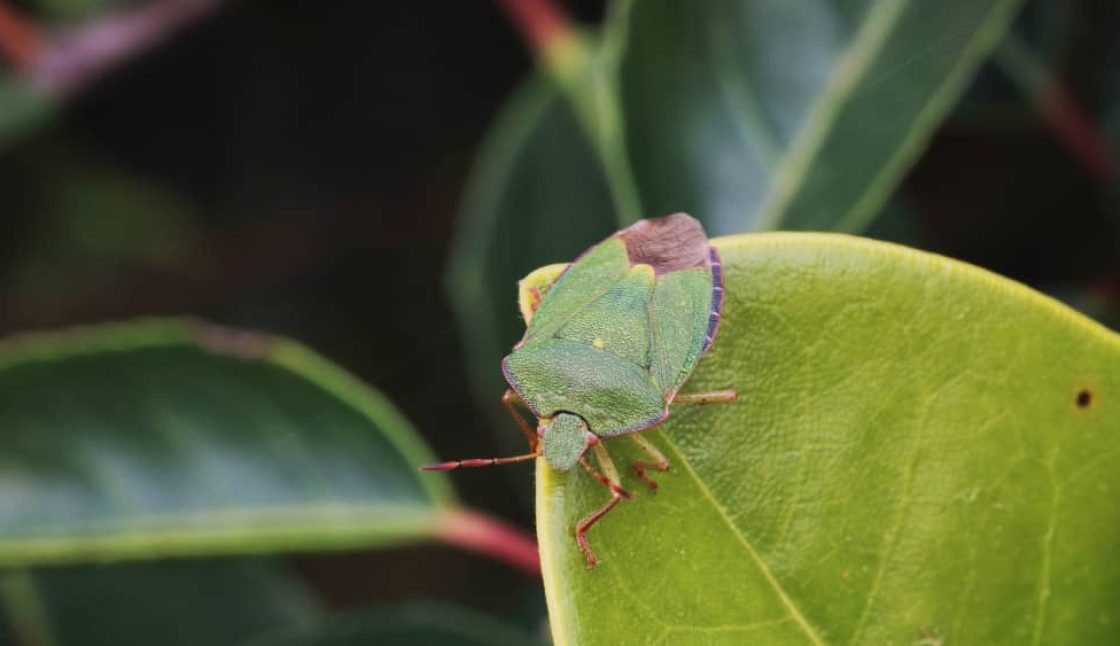
Planning effective tick control in Brampton starts with a clear understanding of when blacklegged ticks are most active across Peel Region. Peel Public Health confirms that ticks can be active any time the temperature is consistently above freezing and the ground is not covered by snow — a window that in Brampton’s warming climate extends well beyond the traditional summer months. Understanding the three distinct phases of tick activity throughout the year allows Brampton homeowners to plan treatments and personal protection strategies at the moments when they deliver the greatest benefit.
Spring Tick Activity in Brampton
Spring marks the beginning of Brampton’s most concentrated tick activity period. As temperatures reliably climb above 4°C — typically in April across the Greater Toronto Area and Peel Region — both overwintering adult blacklegged ticks and newly emerging nymphs become active simultaneously. Nymphal ticks are the life stage of greatest disease transmission concern: they are extraordinarily small, often no larger than a poppy seed, and their bites go completely undetected far more often than adult tick bites. Despite their size, nymphs are responsible for a significant portion of Lyme disease cases in Ontario each season, making spring the most strategically important window for professional yard treatment in Brampton.
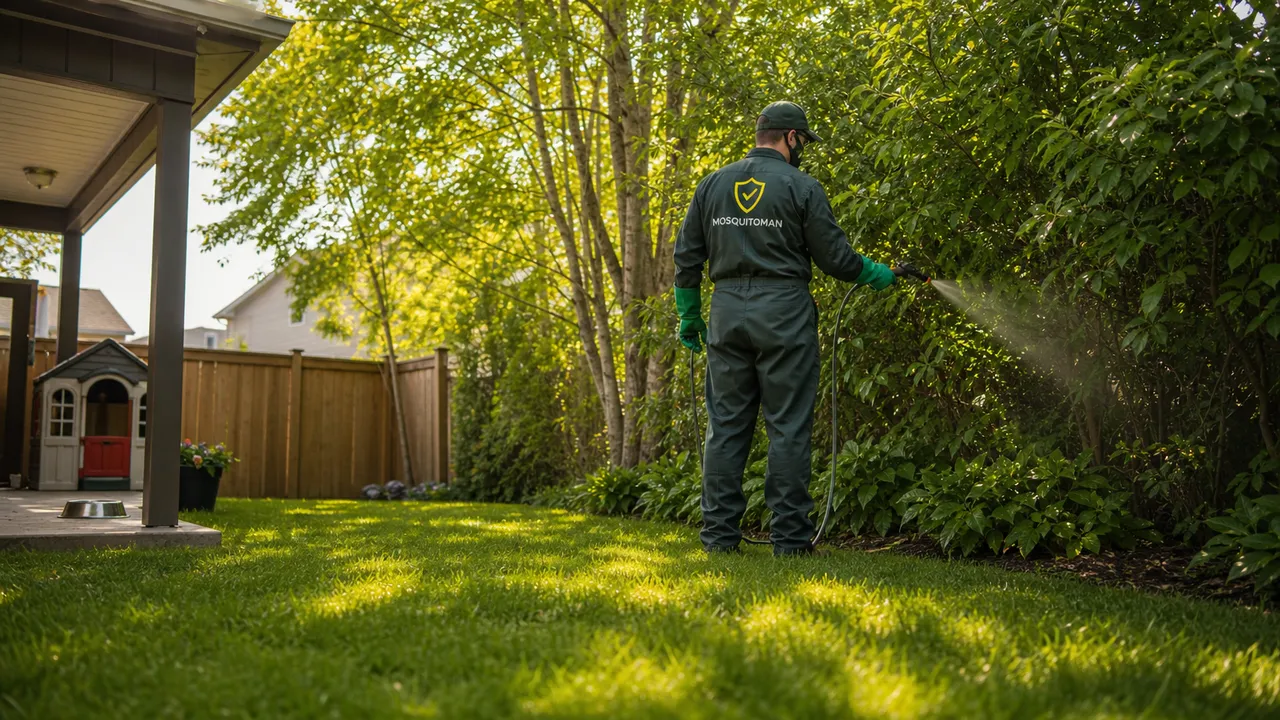
Spring treatments applied as temperatures rise interrupt the tick life cycle before populations have a chance to build — delivering protection that carries through the entire season ahead.
Summer Peak Season
Summer brings the highest combined tick activity and outdoor exposure across Brampton. Warm temperatures, high humidity, and active wildlife movement through Brampton’s conservation corridors, ravines, and green spaces create ideal conditions for tick survival and host-seeking behaviour. Residents spending time in Chinguacousy Park, Heart Lake Conservation Area, the Credit River trail system, Professor’s Lake, and the many naturalized parks and greenway paths throughout Brampton’s neighbourhoods face meaningful tick exposure risk during the summer months.
Regular tick control treatments on a consistent 21-to-30-day schedule during summer help maintain manageable population levels and prevent the rapid rebounds that occur when treatment windows are missed.
Fall Tick Activity
Fall is an underestimated but genuinely significant tick season in Brampton. Peel Public Health has specifically reminded Brampton residents that blacklegged tick populations remain active well into October, and that everyone in Peel should take steps to reduce their risk of being bitten during this period. As summer temperatures ease, adult blacklegged ticks become highly active in their search for a final blood meal before winter — remaining present and dangerous through October and into November during mild weather across Peel Region.
A targeted fall treatment addresses this seasonal surge and meaningfully reduces the number of ticks that survive to reproduce the following spring.
Winter Tick Awareness in Brampton
- Clear leaf litter from yard perimeters before the ground freezes
- Stack firewood off the ground and away from the home
- Remove brush piles and dense ground cover that provide tick overwintering habitat
- Continue performing tick checks on pets during mild winter days above freezing
While Brampton’s winters significantly reduce tick activity, mild spells above freezing can temporarily revive it. Maintaining good yard hygiene through winter reduces the spring population you will face when the outdoor season begins again.
Why Consistent Seasonal Treatment Outperforms Reactive Approaches in Brampton
Skipping any of Brampton’s three main tick activity windows — spring, summer, or fall — allows tick populations to rebound quickly on untreated properties. A structured, season-long approach to tick control in Brampton consistently delivers far better protection and value than reactive or single-application strategies — particularly as blacklegged tick populations in Peel Region continue to expand with the region’s changing climate.
Benefits of Seasonal Tick Control Planning in Brampton
- Interrupts tick life cycles at the most critical and vulnerable seasonal points
- Reduces Lyme disease and tick-borne illness risk across all active months
- More cost-effective than emergency treatments after an infestation becomes established
- Consistent protection for children and pets throughout Brampton’s full outdoor season
Understanding Brampton’s tick season gives residents the information they need to act at the right times — delivering better protection and more confident enjoyment of Brampton’s parks, trails, and green spaces all season long.
Frequently Asked Questions: Tick Season Brampton
When does tick season start in Brampton, Ontario?
Tick activity typically begins in April across Brampton and Peel Region, as soon as temperatures consistently exceed 4°C.
Are ticks active in Brampton in fall?
Yes. Peel Public Health has confirmed that blacklegged tick populations remain active well into fall across Brampton, and has specifically reminded residents to take precautions through October.
When is the highest-risk period for tick bites in Brampton?
Late spring through early summer, when nymphal ticks are active and extremely difficult to detect, represents the highest-risk window for Lyme disease transmission in the Brampton and Peel Region area.