7,500+ Reviews
Ontario homeowners who search for eco-friendly outdoor pest control with no long-term contract are usually asking three separate questions at once. What is actually being sprayed in the yard? Is it safe for children and pets? And can service be stopped if it does not work or the season ends?
Most pest control websites answer only the third question, and they often answer the first two with the word “organic” and little else. This article answers all three. It explains what eco-friendly means in practical terms, how Canadian regulation governs the products involved, how Integrated Pest Management (IPM) reduces chemical use, what to do around treated areas, and what a contract-free seasonal service looks like in practice.
What eco-friendly outdoor pest control means in practice
Eco-friendly pest control is an approach, not a product category. It rests on three practices: treating only where pests live or enter, avoiding unnecessary applications, and paying attention to non-target species such as bees, birds, fish, and pets. A service that sprays an entire property on a fixed calendar regardless of pest activity is not eco-friendly, whatever the label says. A service that targets breeding water, shrub harbourage, and foundation entry points is closer to the standard.
Organic and eco-friendly are not the same thing
“Organic” is a production standard. It describes how an input is made or sourced and whether it fits an organic framework. “Eco-friendly” describes a sustainability and safety approach to the whole job, including how much product is used, where it goes, and what else it might affect.
A product can be organic-compatible and still be misused. A conventional, label-approved product used sparingly and precisely can have a smaller footprint than a broadly applied “natural” one. Neither word is a guarantee on its own.
Eco-friendly still means registered pesticides when needed
Natural pest control services, including those marketed as organic mosquito and tick control, still rely on registered pesticide products at some stage. The distinction is that those products are selected for lower risk, applied to specific targets, and used within a prevention-first process. Some pests can be managed through habitat changes alone. Mosquitoes in a damp, shaded Ontario backyard in July usually cannot.
The ingredient categories most often used in this kind of program are:
- Biological larvicides, applied to standing water where mosquito larvae develop
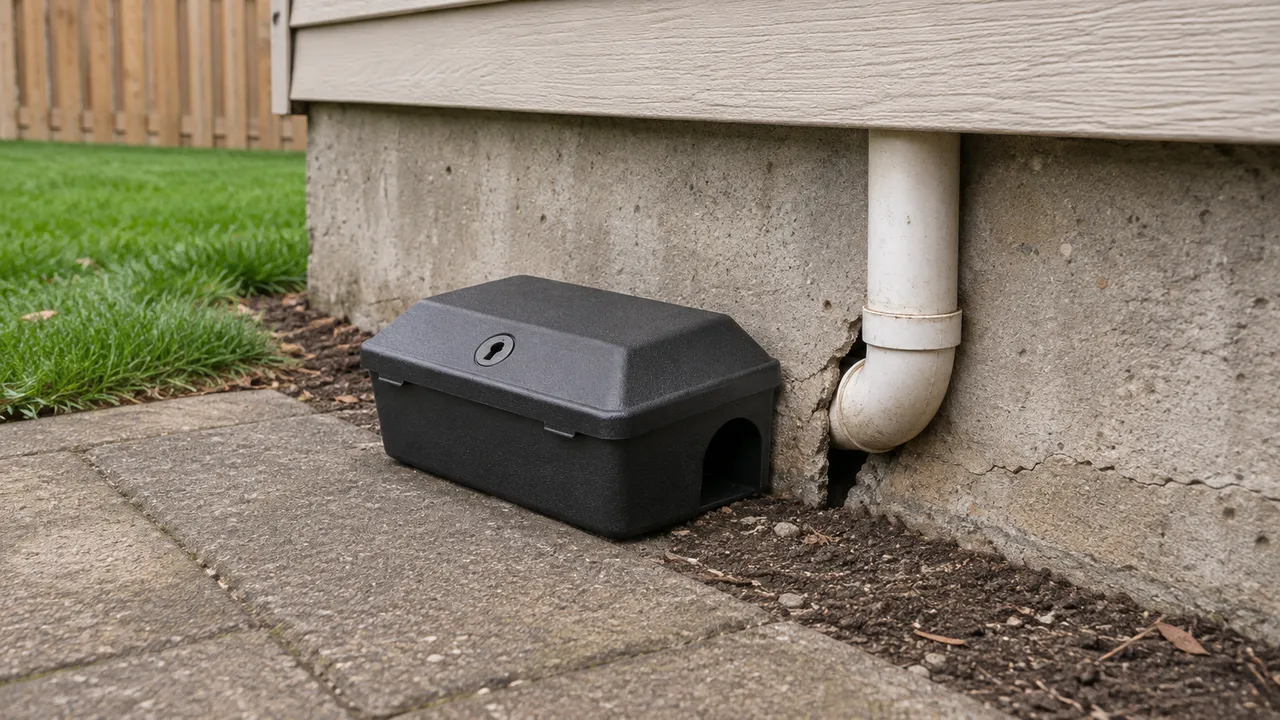
- Baits and traps for ants, rodents, and wasps
- Insecticidal soaps, which act on contact
- Targeted barrier treatments on foliage, foundations, and entry points
Each is explained below with its target, typical placement, and safety considerations.
Active ingredients and safety: what registration means in Canada
In Canada, a pesticide cannot be sold or used unless it is registered. Health Canada’s Pest Management Regulatory Agency (PMRA) evaluates products before registration and manages them afterward. According to Health Canada’s Pesticides Regulatory Directorate (updated April 1, 2026), pesticides are stringently regulated in Canada to ensure they pose minimal risk to human health and the environment.
For homeowners, the practical consequence is the label. A registered product carries a PMRA registration number and legally enforceable directions covering target pests, application sites, rates, protective measures, and restrictions. Using the product in a way the label does not allow is a violation. Health Canada offers a Pesticide Label Search (PMRA online and mobile) so anyone can look up a product’s label and instructions. Ontario adds its own layer: commercial pesticide application is carried out by licensed exterminators, and technicians who work for Mosquito Man are licensed and insured.
Ingredient class FAQ
What is Bti, and is it safe?
Bti (Bacillus thuringiensis subspecies israelensis) is a naturally occurring soil bacterium used as a biological larvicide. Health Canada’s review (May 4, 2017) determined that products containing Bti do not pose health risks to humans and other mammals when used according to label directions. It is target-specific: it affects mosquito and blackfly larvae in aquatic settings rather than the wider insect population. Two limits matter. Bti acts only on larvae, so it does nothing to adult mosquitoes already flying. And it works only where larvae are, such as standing water, which is why a technician first has to find the breeding sites.
What do insecticidal soaps do?
Insecticidal soaps are fatty-acid products that kill soft-bodied insects on direct contact. They leave little residual activity, which reduces lingering exposure but also means they suit spot treatment of an infestation rather than season-long protection. Registered soap products carry their own directions, including which plants and pests they are approved for.
Are baits safer than sprays?
Baits place a small amount of active ingredient inside an enclosed station or a targeted location so the pest comes to it. That limits exposure compared with open application, which is why baits are a standard IPM tool for ants and rodents. Tamper-resistant stations matter when children and pets are present.
What are barrier treatments?
Barrier treatments are applied to foundations, entry points, eaves, and the shrubs and trees where mosquitoes and ticks rest. Some products used for this purpose are botanical, such as pyrethrins derived from chrysanthemum, and others are synthetic. Both categories are registered, and both require label compliance. Pyrethrins illustrate the main lesson here: a plant-derived product can still be harmful to bees and aquatic life if misapplied.
Why “natural” does not automatically mean “safe”
Safety depends on toxicity, dose, route of exposure, and the species involved. Many natural substances are hazardous at the wrong concentration or in the wrong place. That is why this article repeatedly points to the label rather than to marketing language. Be cautious of any provider that calls its service “non-toxic” without naming the products, which is why asking for product names and PMRA registration numbers is reasonable. A professional provider should be able to supply them.
Integrated Pest Management: how it reduces chemical use
Integrated Pest Management is a decision framework used in agriculture, schools, municipalities, and residential pest control. The sequence is consistent:
- Inspect and monitor to learn what pests are present and where
- Identify the source, such as standing water, dense harbourage, or a gap in the foundation
- Prevent first, by removing the conditions that support the pest
- Treat only where needed, with the most targeted option available
- Follow up to confirm results and adjust
Where the chemical savings come from
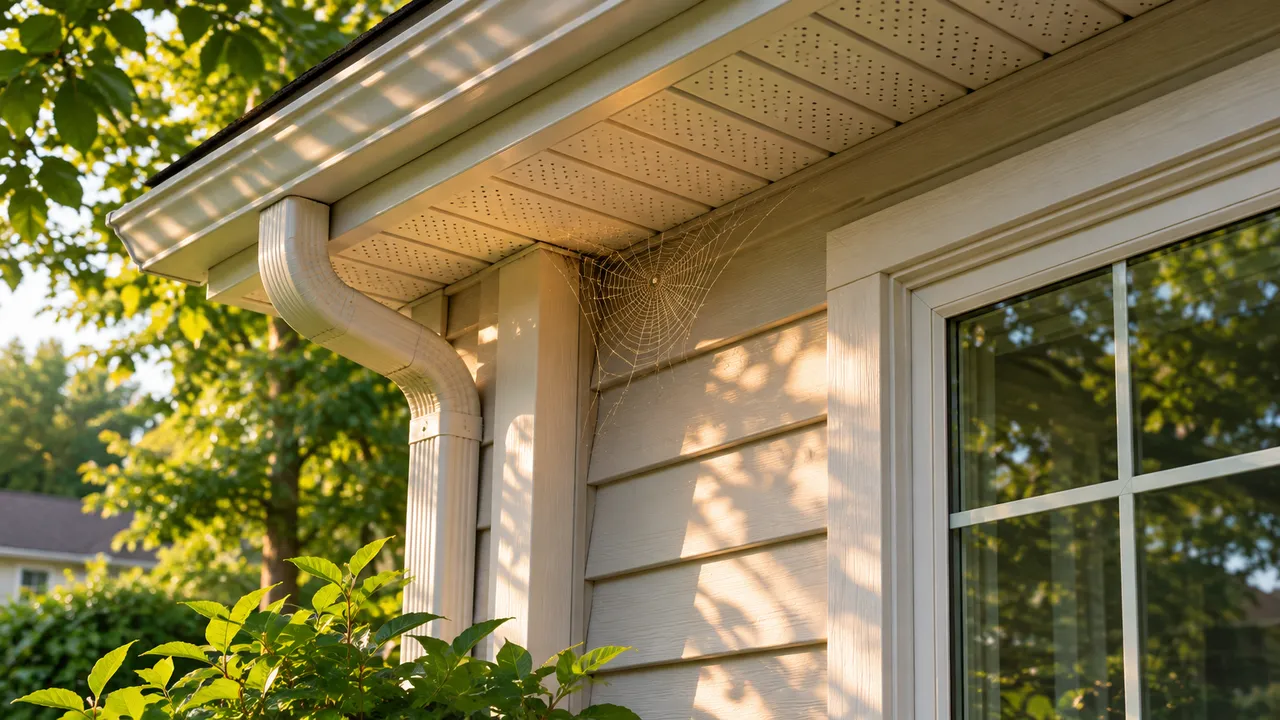
The reduction is structural. Instead of treating every surface of a property, IPM concentrates treatments on the places pests actually breed, rest, or enter. For mosquitoes, that means larval habitat and resting foliage. For ants and spiders, it means foundations, door and window frames, and eaves. For ticks, it means the leaf litter, shaded edges, and tall grass at the border between lawn and woods.
Green Shield Certified, a non-profit program operated by the IPM Institute of North America, evaluates pest management providers on prevention-based practices and minimized pesticide use through an accreditation and audit process. It is a useful reference point for what IPM is supposed to look like, even for homeowners who are choosing among providers that are not certified.
What a visit looks like
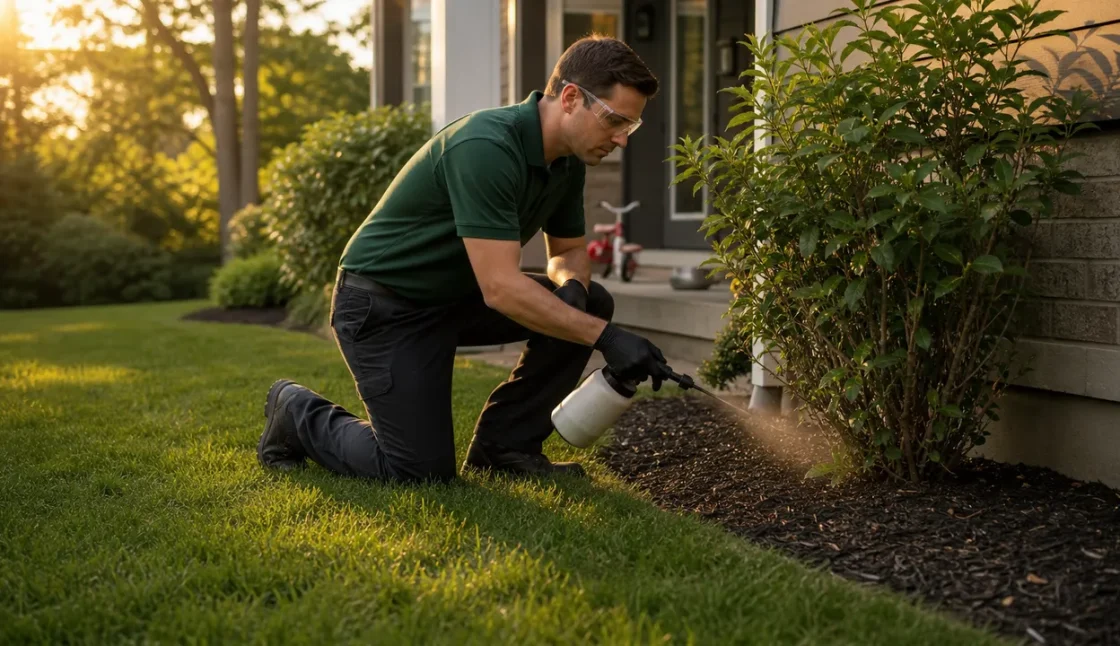
A homeowner should see an IPM-based visit as a sequence of specific actions. The technician walks the property and looks at drainage, gutters, bird baths, planters, shaded vegetation, and the foundation. Larvicide goes to water that cannot be removed. Foliage and perimeter treatments go where mosquitoes, ticks, spiders, or ants actually shelter. The technician also gives recommendations the homeowner can act on: emptying containers, clearing leaf litter, trimming vegetation, and sealing gaps.
Mosquito Man’s yard and home services follow this logic. Yard Protection focuses on trees, shrubs, and mosquito breeding grounds on a 21-day rhythm. Home Protection treats foundations and entry points every 60 days. Because mosquito life cycles in Ontario run through the warm season, prevention is not a one-time event. Larvae mature and new adults arrive from neighbouring properties every few weeks, so a single treatment loses its effect while pressure continues. Homeowners who want regional detail can see how this plays out for mosquito control in Hamilton, where Mosquito Man applies the same inspection-first approach.
Tick risk follows a different pattern from mosquito pressure, because ticks live at the edges of wooded or overgrown areas and do not breed in water. Mosquito Man’s tick control service starts with an initial inspection and moves to exterior treatment, as described for tick control in Windsor and for tick control in North York.
Child and pet safety guidance for treated yards
Label directions set the actual rules, and they vary by product. The guidance below describes sensible habits that sit alongside them. It does not replace them.
Homeowner checklist before and after a visit
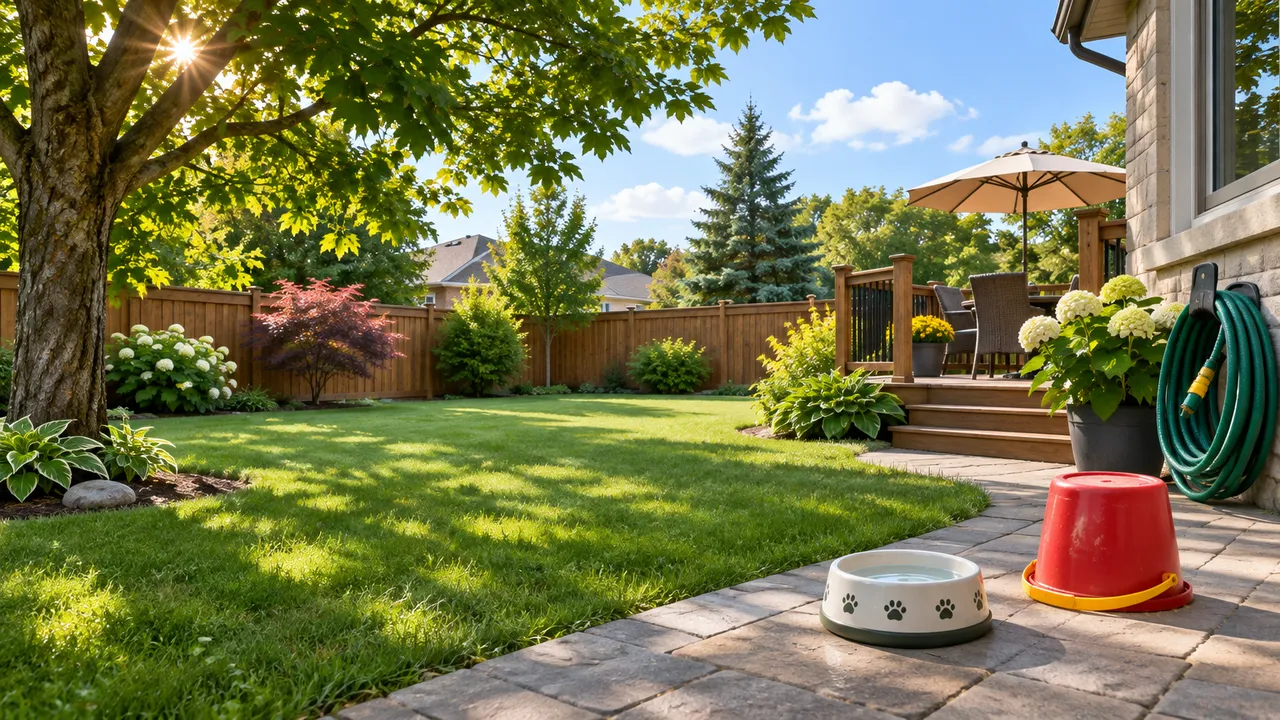
- Bring toys, pet bowls, and outdoor cushions inside or cover them so they are not in the application area
- Keep children and pets off treated areas until the technician confirms the label’s re-entry requirement has been met
- Close windows near areas where a perimeter or foliage treatment will take place, if the technician advises it
- Empty water from bird baths and pet bowls that sit near treated foliage, and refill them with fresh water afterward
- Limit foot traffic across treated shrubs and foundation beds until treatments dry
- Ask the technician where products were applied and what to avoid, such as flowering plants that attract pollinators
Where products are applied matters as much as which products are used. Perimeter work goes into cracks, crevices, and foundation lines. Foliage work is limited to trees and shrubs where mosquitoes rest. Neither is the same as broadcasting product across the whole lawn, which is where children and pets spend most of their time.
Common questions
Can my dog walk on the lawn after treatment?
Usually, yes, once the label’s re-entry condition has been met. Many labels tie re-entry to the product drying, but the specific wording varies and the technician should confirm it. Because mosquito and tick programs focus on foliage, borders, and foundations rather than open lawn, pets generally have much less contact with treated surfaces than a lawn-wide application would create.
Are insecticidal soaps safe around pets when used as directed?
Registered soaps are used according to label directions, and their lack of lasting residue is one reason they are used near homes. Pets should still stay away until the area dries, and nobody should let a pet lick treated plants. For any product, the label governs.
What about bees and beneficial insects?
Pollinator protection depends on application choices. Avoid treating flowering plants while bees are active, and ask the technician to do the same. Bti is target-specific for mosquito and blackfly larvae in water. Barrier products are the category that needs the most care, since some are toxic to bees on contact. This is why a provider’s willingness to explain where it sprays, and where it does not, says more than the word “eco-friendly” on a brochure.
Environmental impact and approvals: what to verify
Registration is the main safeguard
Health Canada and PMRA registration is the gatekeeper for safety and environmental impact in Canada. A product that is registered has been assessed against human health and environmental criteria and is sold with enforceable instructions. Third-party seals do not replace that. They add information about different things.
What OMRI and Green Shield Certified cover
OMRI (the Organic Materials Review Institute) is an independent organization that reviews products, including pest control inputs, for compliance with organic standards. It speaks to whether a specific input fits an organic framework, and it is common in gardening and farming contexts. It does not evaluate how a pest control company runs its service or whether the application was necessary.
Green Shield Certified looks at the opposite scope. It evaluates the provider’s process, meaning whether pest management is prevention-based and whether pesticide use is minimized, as verified through audits by the IPM Institute of North America.
| Credential | What it evaluates | What it does not tell you |
|---|---|---|
| PMRA registration | A specific product’s safety and environmental assessment, plus its legal label | Whether the provider uses it sparingly |
| OMRI | Whether an input fits organic standards | How the provider applies it |
| Green Shield Certified | The provider’s IPM and prevention practices | The ingredients in every product used |
What to look for on a quote or at the door
- Product names and PMRA registration numbers, which can be checked in Health Canada’s Pesticide Label Search
- A target-specific plan that names breeding sites, foliage, perimeter areas, or entry points
- Written or verbal re-entry and pet guidance based on the label
- Technician licensing and insurance
- Recommendations for what you can change on the property, which signals an IPM mindset
Eco-friendly claims are credible when three things hold together: label approval, an IPM process, and homeowner-safe instructions. If one is missing, the claim is a marketing phrase.
What no long-term contract means for a seasonal service
For many Ontario homeowners, the contract question is as important as the ingredient question. Whether the property is in Toronto and the GTA, London, Kitchener, Windsor, or Barrie, the pest season runs roughly from spring to early fall, and long agreements that renew automatically can be hard to exit.
Mosquito Man’s packages are designed without that friction. The company states “No contracts – no commitments – cancel anytime.” Customers choose Yard Protection, Home Protection, or a Full Protection package combining both, and receive treatments on the schedules described above. A homeowner who wants protection for one season can stop service at any point, rather than being bound to renew.
Two commitments back this up under what the company calls the Super Hero Guarantee. If pests return, Mosquito Man provides free re-treatment within 14 days, and customers who are not completely satisfied can receive a full refund. The re-treatment commitment matters for an IPM program in particular, because follow-up and adjustment are part of the method.
The practical test for any provider is to ask whether it publishes its cancellation terms, whether re-treatment is free, and how quickly follow-up happens. A contract-free model only helps when it is paired with an outcome-based guarantee. Without one, a homeowner is simply paying for treatments that may or may not work.
Choosing eco-friendly outdoor pest control in Ontario
A reliable eco-friendly service can be identified by what it can show, not by what it says. Look for registered products with names and label information that can be verified, a process that starts with inspection and focuses on breeding sites and entry points, clear child and pet instructions, and honest limits on what each treatment does. Look as well for terms that allow a homeowner to leave without penalty.
For families in Ontario, that combination offers the most practical form of protection: fewer unnecessary applications, treatments directed where pests actually live, and a seasonal plan that can be adjusted or ended on the homeowner’s terms. Mosquito Man’s package structure, 14-day re-treatment commitment, and cancel-anytime terms are built around that expectation.