When To Call Pest Control Ottawa Ontario
Knowing when to call pest control in Ottawa, Ontario can help homeowners and property owners respond to pest activity before the problem becomes more established. An occasional pest sighting does



 4,000+ Reviews

Pest control in Ottawa, Ontario involves more than treating pests after they become visible. A professional pest control service begins by identifying the pest, inspecting the property for signs of activity, determining which areas are affected, and evaluating conditions that may be contributing to the problem. Understanding how pest control in Ottawa works can help homeowners and property owners know what to expect from a professional service and why a thorough inspection is an important part of addressing pest activity.
A professional pest control service should begin with a careful inspection of the property. Before treatment is selected, a technician needs to understand what type of pest is involved, where activity has been noticed, and whether there are additional signs of activity elsewhere. Inspecting the property provides information that cannot always be determined from a single pest sighting.
The inspection should include the areas where pests have been observed as well as surrounding locations that may also be affected. A pest problem that is first noticed in one room may not necessarily be limited to that room. Examining nearby areas can help establish whether the activity is isolated or whether additional parts of the property require attention.
A technician can also look for physical evidence associated with pest activity. Depending on the situation, this may include visible pests, droppings, damage, nests, or other signs that can help establish what is happening. These observations can provide useful information when determining the extent of the problem.
For property owners looking for pest control in Ottawa, Ontario, starting with an inspection provides a more informed basis for deciding what treatment is appropriate. Instead of immediately treating an area based only on a sighting, the technician can evaluate the property and develop a more focused approach.
Correct pest identification is an important part of professional pest control. Different pests can have different behaviors, activity patterns, and treatment requirements. Identifying the pest correctly helps ensure that the treatment approach is relevant to the actual problem affecting the property.
In some cases, identification may be straightforward because the property owner has seen the pest clearly or because live activity is present during the inspection. In other cases, the technician may need to use evidence found around the property to determine what pest is responsible.
Identifying the pest is especially important when the property owner is unsure what they are seeing. Similar-looking pests can behave differently, and assuming the wrong pest can lead to an approach that does not address the actual source of the activity.
Professional pest control in Ottawa, Ontario begins with understanding the specific pest problem. Once the pest has been identified, the technician can consider where it is active, what conditions may be contributing to the problem, and which treatment approach is appropriate.
After identifying the pest, the next step is determining where activity is occurring. The location of pest activity can help establish which areas should receive attention and whether the problem appears limited to a particular part of the property.
Property owners can help by explaining where they have seen pests and whether the sightings have occurred repeatedly. Information about the location and frequency of activity can provide useful context during the inspection and help the technician focus on areas that may require closer examination.
A professional inspection can also identify signs of activity in areas where pests have not been seen directly. This is important because visible sightings may not always represent the full extent of the problem. Additional evidence can indicate that activity is occurring elsewhere on the property.
For homeowners seeking pest control in Ottawa, Ontario, identifying affected areas allows treatment to remain focused on the actual pest problem. It also helps the technician determine whether additional parts of the property should be included in the treatment process.
The number of pests that a property owner sees does not always tell the full story. A small number of visible pests can sometimes be accompanied by additional evidence that indicates activity in other areas. Evaluating the extent of the problem is therefore an important part of professional pest control.
During an inspection, the technician can consider the locations where pests have been reported and examine surrounding areas for additional signs. This helps determine whether the problem appears limited or whether multiple areas may require attention.
The extent of activity can also influence the treatment approach. A property with limited activity in one location may require a different approach from a property where evidence is found throughout several areas.
Professional pest control in Ottawa, Ontario should be based on the conditions found during the inspection. Evaluating the extent of activity helps ensure that treatment recommendations reflect the actual situation rather than relying on a standard approach for every property.
Understanding a pest problem involves more than identifying where pests are present. It can also be important to determine whether conditions around the property may be supporting continued activity. During an inspection, a technician can look for circumstances that may be relevant to the pest problem.
The conditions that matter will depend on the pest involved and the characteristics of the property. A professional inspection allows the technician to consider the specific circumstances rather than applying the same checklist to every pest problem.
Identifying relevant conditions can provide additional information when developing a treatment approach. If circumstances around the property are contributing to continued pest activity, addressing those factors where appropriate may support the overall pest control process.
For homeowners considering pest control in Ottawa, Ontario, understanding the conditions surrounding the pest problem can be useful because it provides a broader picture of why the activity is occurring and what may be necessary to address it.
Once the pest has been identified and the property has been evaluated, the technician can determine an appropriate treatment approach. Treatment should be based on the specific pest, affected areas, and conditions found during the inspection.
A targeted approach helps keep treatment focused on locations where pest activity has been identified. It also allows the technician to take the characteristics of the property into account rather than using an identical treatment process for every situation.
Professional pest control is not simply about applying a treatment as quickly as possible. The information gathered during the inspection helps determine what treatment is appropriate and where it should be applied.
For property owners seeking pest control in Ottawa, Ontario, a targeted treatment approach can provide a more structured way to address an active pest problem. Before treatment begins, property owners should also follow any preparation instructions provided by the technician.
Depending on the pest problem and treatment approach, the technician may provide instructions that need to be followed before service. Preparation requirements can vary, so property owners should follow the specific directions provided for their situation.
Providing access to affected areas can help the technician complete the inspection and treatment properly. If pest activity has been noticed in a particular room, storage area, or other part of the property, it can be useful to make sure the technician can access that location.
Property owners should also communicate any relevant information about the pest problem before treatment begins. Explaining where pests have been seen, how often they appear, and whether any previous treatment has been attempted can provide useful context.
When arranging pest control in Ottawa, Ontario, understanding preparation requirements ahead of time can make the service easier to coordinate and help ensure that the areas requiring attention are accessible.
Once the inspection is complete and the treatment approach has been determined, the affected areas can be treated according to the requirements of the specific pest problem. Treatment should focus on locations identified during the inspection and follow the appropriate process for the pest involved.
The areas requiring treatment will depend on the findings of the inspection. A technician may address locations where pests have been observed as well as other areas where evidence indicates that activity is occurring.
Property owners should follow any instructions provided after treatment. These instructions are intended to support the treatment process and can vary depending on the pest and the type of service performed.
Professional pest control in Ottawa, Ontario should remain focused on the pest problem identified during the inspection. Treating the appropriate areas helps ensure that the service is connected to the actual conditions found on the property.
After treatment has been completed, monitoring the affected areas can provide useful information about how the pest problem has changed. Property owners should pay attention to any continued sightings or new evidence of activity and communicate relevant changes to the pest control professional.
Follow-up service may be recommended depending on the pest, the level of activity, and the treatment approach. A follow-up inspection allows the technician to evaluate the property again and determine whether additional treatment is necessary.
Additional service does not necessarily mean that the initial treatment was unsuccessful. Some pest problems require multiple stages of treatment or follow-up assessment, depending on the circumstances of the property.
For homeowners using pest control in Ottawa, Ontario, following the recommended process allows the technician to evaluate the results based on current pest activity rather than making assumptions about the outcome.
A professional pest control service may include recommendations for what property owners should do after treatment. These recommendations can relate to the treated areas, follow-up service, monitoring, or conditions that may be relevant to continued pest activity.
Following these recommendations can help support the treatment process and make it easier to determine whether the pest problem has been addressed. Property owners should also report continued or increasing activity when appropriate so that the situation can be reassessed.
Keeping track of where and when pest activity occurs can be useful if another inspection is required. Specific information about changes in activity can help the technician evaluate the current condition of the property.
For property owners in Ottawa, professional pest control provides a structured process that begins with inspection and identification and continues through treatment and follow-up. Each stage helps ensure that the response is based on the actual pest problem rather than assumptions.
Professional pest control provides a systematic way to address unwanted pest activity. Instead of treating a visible pest without investigating the surrounding conditions, a professional service can identify the pest, inspect affected areas, evaluate the extent of activity, and develop an appropriate treatment approach.
This process can be particularly useful when the source or extent of pest activity is unclear. A thorough inspection can reveal evidence that may not be obvious to the property owner and provide information that helps guide the treatment process.
For homeowners and property owners looking for pest control in Ottawa, Ontario, understanding how professional service works can make it easier to know what to expect. Inspection, pest identification, evaluation, treatment, and follow-up all contribute to a focused approach to addressing pest activity.
If you are seeing repeated pest activity or discovering signs that you cannot identify, a professional inspection can help establish what is happening. Addressing the specific pest problem based on the conditions found at the property provides a more informed approach to pest control.
Knowing when to call pest control in Ottawa, Ontario can help homeowners and property owners respond to pest activity before the problem becomes more established. An occasional pest sighting does
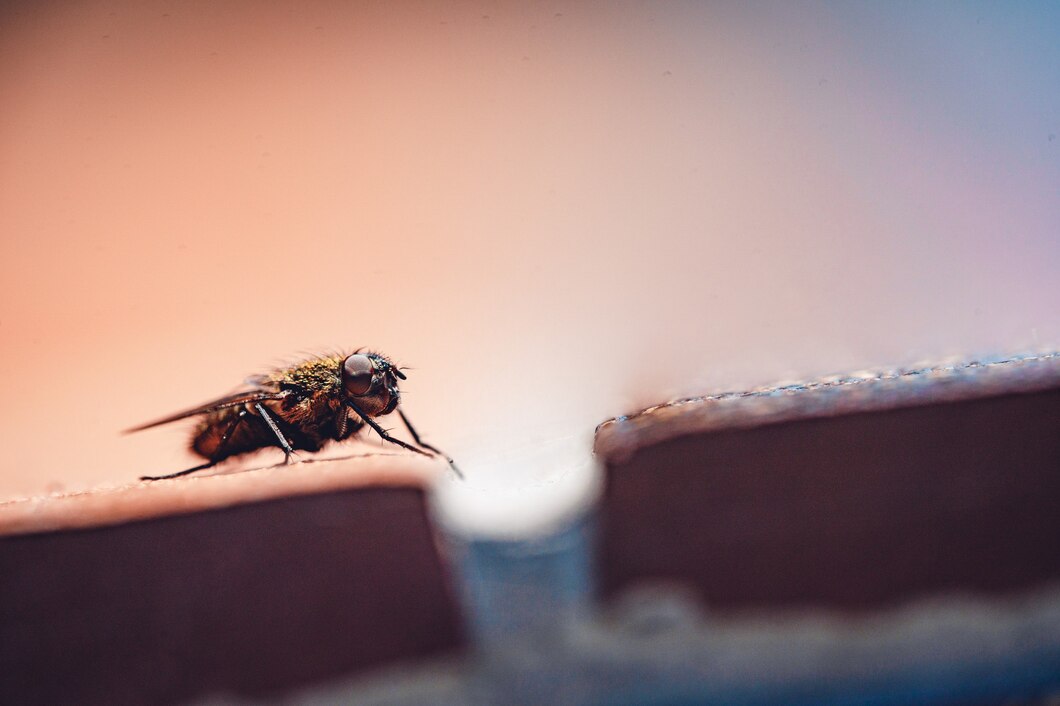
Pest control in Ottawa, Ontario involves more than treating pests after they become visible. A professional pest control service begins by identifying the pest, inspecting the property for signs of
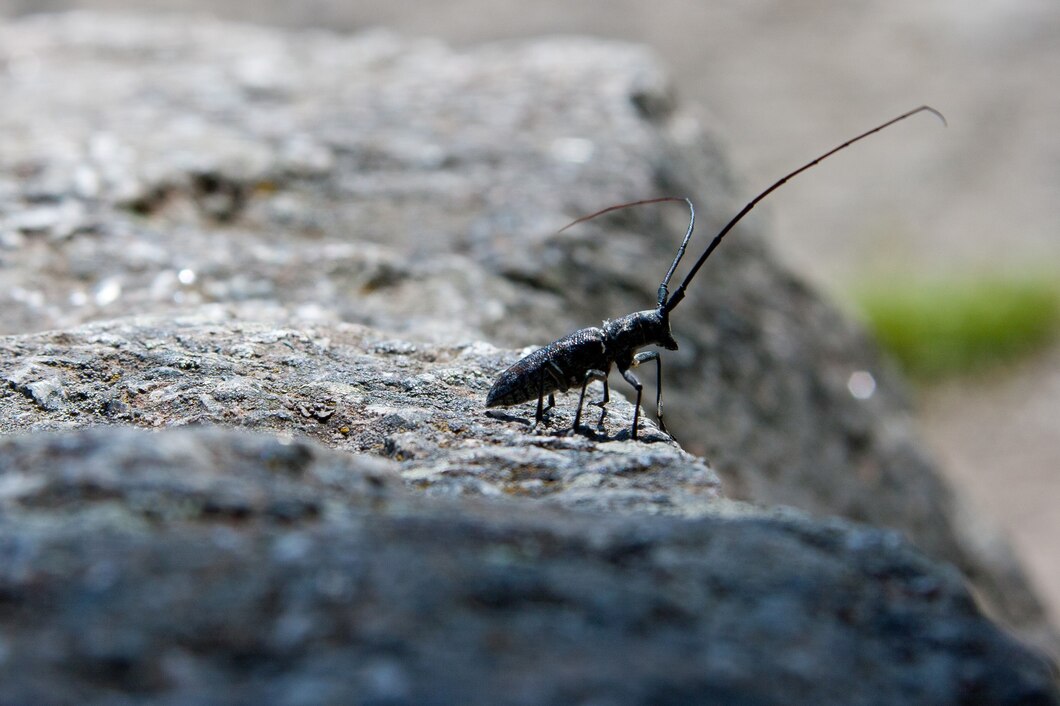
Knowing what to expect from pest control in London, Ontario can make the process easier for homeowners and property owners dealing with unwanted pest activity. Professional pest control typically involves