Lyme disease and tick control in Vancouver are closely connected topics that every BC resident should understand. As the range of disease-carrying tick species expands across British Columbia, including into Greater Vancouver’s residential neighbourhoods, awareness and proactive prevention have become more important than ever. Understanding the risk helps you take the right protective steps for your household.
Freepik
The Tick Species Behind Lyme Disease in BC
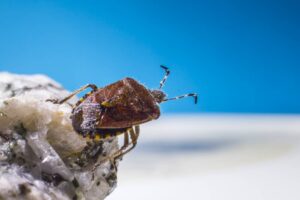
The western black-legged tick (Ixodes pacificus) is the primary carrier of Lyme disease bacteria in British Columbia. This species is most commonly found along the southern coastal regions of BC — including Vancouver Island, the Gulf Islands, and the Lower Mainland. While the overall risk of contracting Lyme disease from a tick bite in BC remains relatively low, the range of infected ticks has been expanding, making property-level tick control increasingly relevant for Vancouver residents.
How Ticks Transmit Lyme Disease
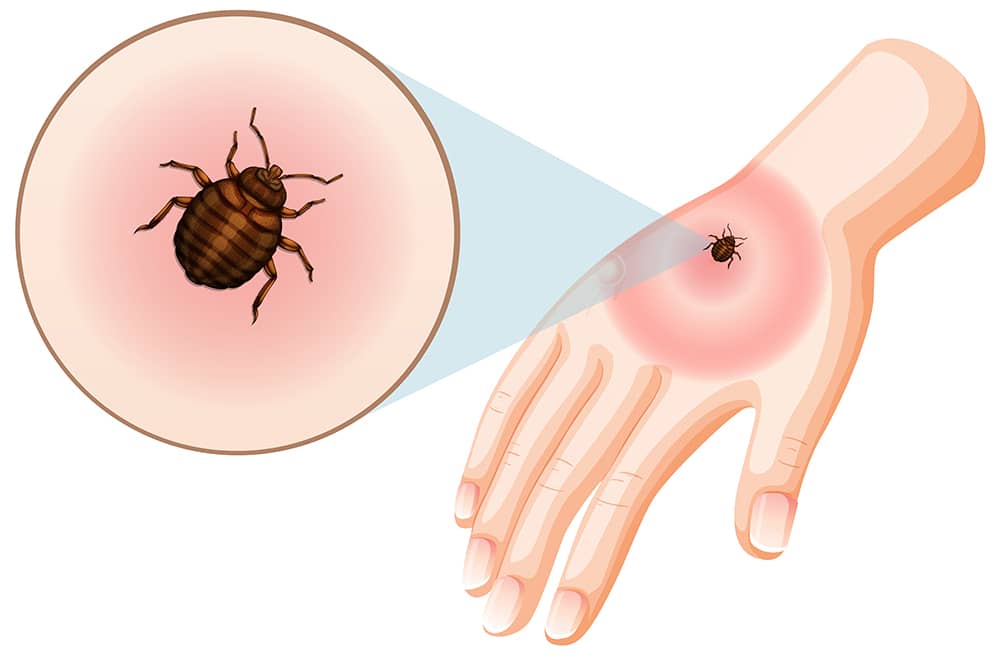
A tick must be attached and feeding for a significant period before it can transmit Lyme disease bacteria. This is why prompt tick removal is so critical. The longer a tick remains embedded, the higher the transmission risk becomes. Conducting thorough tick checks after any time outdoors — particularly in wooded or grassy areas — is one of the simplest and most effective protective measures available.
Recognizing Lyme Disease Symptoms
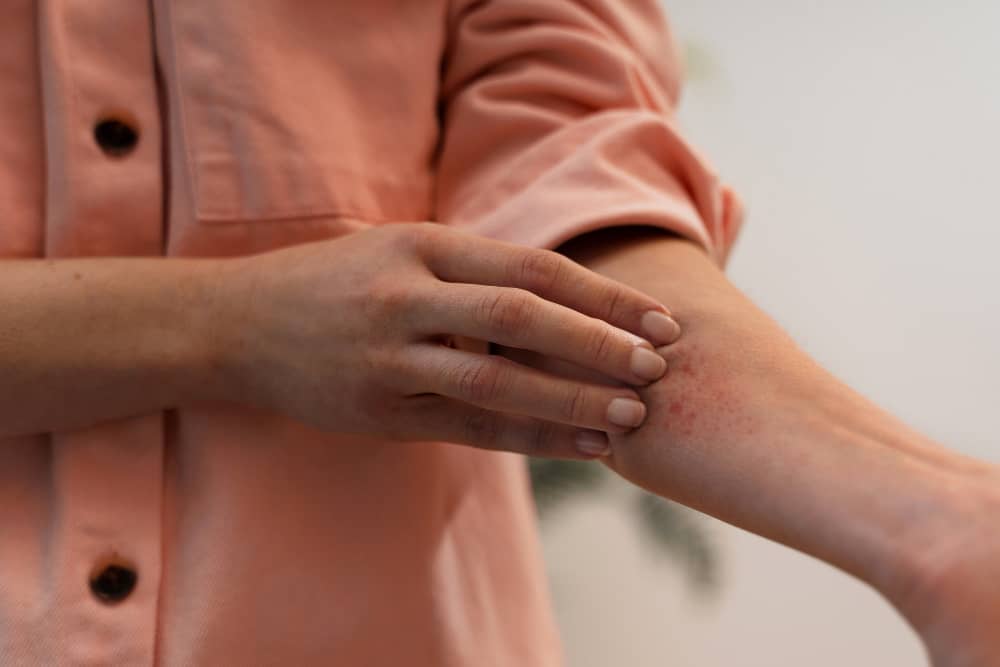
Early symptoms of Lyme disease can include a distinctive bullseye-shaped rash at the bite site, fever, fatigue, muscle and joint pain, and headaches. Not all infected individuals develop a rash, which is why any unexplained flu-like symptoms following a tick bite should be evaluated by a healthcare provider promptly. Early treatment significantly improves outcomes.
Professional Tick Control as Prevention
Reducing tick populations on your property is one of the most effective ways to lower Lyme disease risk for your household. Professional tick control services in Vancouver target the specific harborage zones where ticks concentrate — garden borders, lawn edges, wooded buffers, and shaded areas — using treatments calibrated for local tick species and environmental conditions.
Personal Protection Strategies
- Wear light-coloured, long-sleeved clothing in tick habitat areas
- Use Health Canada-approved repellents containing DEET or Icaridin
- Tuck pants into socks when walking in tall grass or wooded areas
- Perform a full body tick check after outdoor activities
- Check pets thoroughly before allowing them indoors
Combining personal protective measures with professional tick control on your property creates a layered defence against tick exposure and Lyme disease risk in Vancouver.
Benefits of Tick Control for Lyme Disease Prevention
- Reduces the number of ticks present on your property
- Lowers the probability of tick-human contact
- Protects pets who spend time outdoors
- Provides peace of mind for families in high-risk areas
Professional tick control in Vancouver is not just about comfort — it’s a meaningful layer of protection against serious tick-borne illness for your entire family.
Frequently Asked Questions: Lyme Disease and Tick Control Vancouver
Is Lyme disease common in Vancouver?
The overall risk remains relatively low but is expanding. The western black-legged tick, the primary Lyme carrier in BC, is present across the Lower Mainland.
How long does a tick need to be attached to transmit Lyme disease?
Transmission typically requires extended attachment. Removing ticks promptly — within a few hours of discovery — greatly reduces risk.
Can tick control reduce my Lyme disease risk?
Yes. Reducing tick populations on your property directly lowers the likelihood of tick-human contact and disease transmission.