7,500+ Reviews
Reducing Lyme disease risk and maintaining effective tick control in Chatham are closely connected priorities for residents across Chatham-Kent. Local health authorities have confirmed multiple established blacklegged tick risk areas within the municipality — including regions centred around Rondeau Provincial Park, Point Pelee National Park and Wheatley, as well as an expanding zone northeast of Thamesville that includes communities such as Bothwell, Dresden, Highgate, Kent Bridge, and Ridgetown. These designations are based on confirmed tick presence through ongoing surveillance, meaning they reflect active and sustained populations. Public health officials have also indicated that warmer temperatures are contributing to increased tick activity and a growing risk of Lyme disease across the region, making prevention efforts more important than ever.
The Tick Species Behind Lyme Disease in Chatham
The primary species responsible for Lyme disease transmission in Ontario is the blacklegged tick (Ixodes scapularis), commonly referred to as the deer tick. While several other tick species exist within Chatham-Kent — including American dog ticks and others — the blacklegged tick is the main concern when it comes to Lyme disease. Local health authorities continue to collect and analyze ticks from across the region to monitor infection rates and track spread. In addition to Lyme disease, blacklegged ticks are also capable of transmitting other illnesses such as anaplasmosis, babesiosis, and Powassan virus, all of which have become recognized public health concerns in recent years.
How Lyme Disease Transmission Occurs in Chatham-Kent
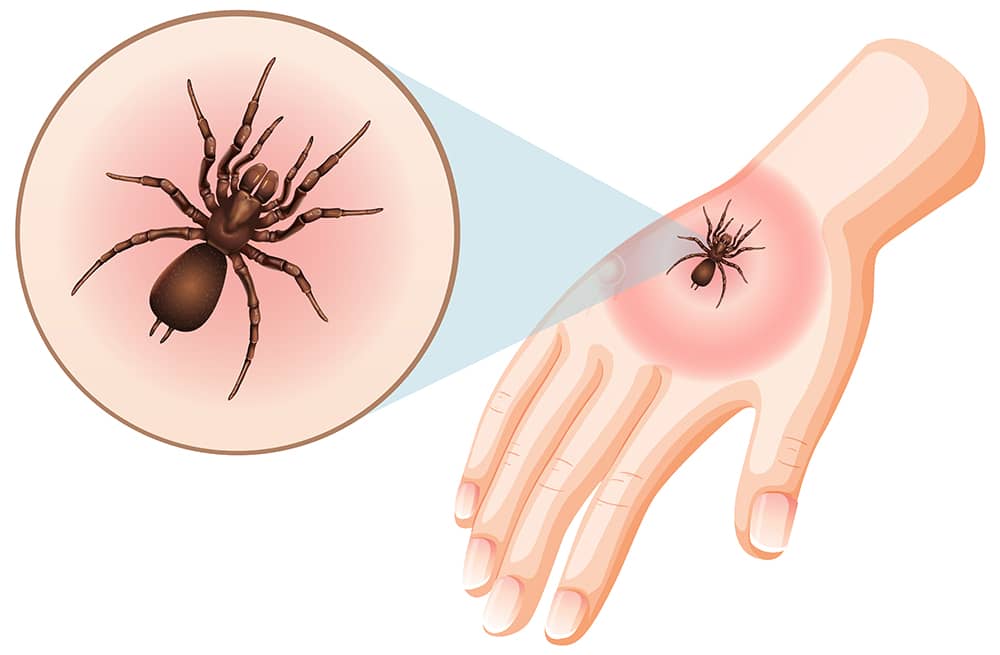
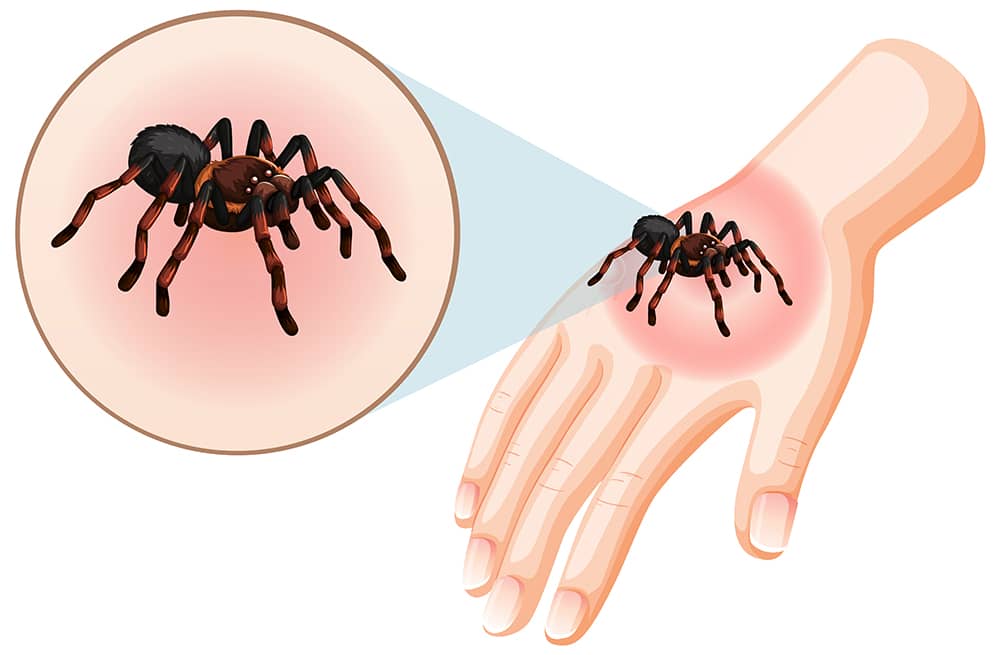
Transmission of Lyme disease generally occurs when an infected blacklegged tick remains attached to the skin for an extended period, typically more than 24 hours. This makes early detection and removal one of the most effective prevention strategies. Health professionals recommend performing thorough tick checks after spending time outdoors in areas where ticks are commonly found, including wooded spaces, tall grass, and naturalized environments. Prompt removal significantly reduces the likelihood of infection.
Recognizing Lyme Disease Symptoms in Chatham-Kent
Symptoms of Lyme disease can appear within a few days to several weeks following a tick bite. One of the most recognizable signs is a circular or expanding rash at the site of the bite, although this is not present in every case. Other symptoms may include fatigue, fever, chills, headaches, muscle aches, and joint pain. Early diagnosis and treatment are highly effective, which is why recognizing symptoms and seeking medical attention quickly is essential for residents in Chatham-Kent.
Property-Level Tick Control as Disease Prevention in Chatham
Managing tick populations on your property is one of the most direct ways to reduce Lyme disease risk. Professional tick control services focus on treating the areas where ticks are most likely to be found, including yard perimeters, shrub lines, leaf litter, and shaded zones. By reducing tick populations in these high-risk areas, homeowners can significantly decrease the likelihood of tick encounters and exposure.
Personal Protection Strategies for Chatham-Kent Residents
- Wear long sleeves and pants when walking through grassy or wooded areas
- Use Health Canada-approved insect repellents on exposed skin and clothing
- Perform full-body tick checks after outdoor activities
- Check pets regularly for ticks
- Seek medical advice if symptoms develop after a tick bite
- Stay on designated paths when in natural areas
Combining these personal precautions with consistent tick control measures creates a comprehensive approach to reducing Lyme disease risk across Chatham-Kent.
Benefits of Tick Control for Lyme Disease Prevention in Chatham
- Reduces the number of disease-carrying ticks around your home
- Lowers the likelihood of tick bites for household members
- Provides protection throughout peak seasonal activity
- Supports safer use of outdoor spaces
Frequently Asked Questions: Lyme Disease and Tick Control Chatham
Are there confirmed blacklegged tick risk areas in Chatham-Kent?
Yes. Several areas across the municipality have been identified and continue to be monitored as tick populations expand.
What should I do if a blacklegged tick has been attached for more than 24 hours in Chatham?
It is recommended to consult a healthcare provider promptly to assess next steps and potential preventative treatment.
Does professional tick control reduce Lyme disease risk in Chatham?
Yes. Lowering tick populations on your property reduces the chances of contact and potential transmission.