
-

-
5.0 Rating
 7,500+ Reviews
Where are you located?
7,500+ Reviews
Earwigs control London is essential for anyone looking to protect their vegetable garden from damage caused by these pests. Mosquito Man offers practical tips on dealing with earwigs, helping gardeners maintain healthy plants through effective prevention and treatment methods. Learn more about our earwigs control services.

The Services
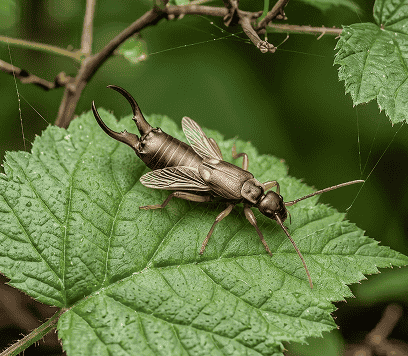
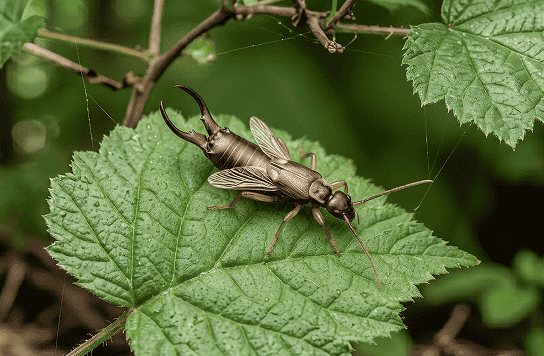
Common earwigs found in Canada are small insects recognized by their pincers (forceps) at the end of their bodies. They are typically found in damp, dark environments such as basements, gardens, mulch, and around foundations. Earwigs are mostly active at night and often enter homes in search of moisture and shelter.
While earwigs are not dangerous, their presence can become a nuisance, especially when they start appearing indoors in large numbers. Fortunately, Mosquito Man can help! Our earwigs control service is your reliable solution to eliminate these pests and keep your home or business protected.
Areas We Serve Tick Control
what we do
Licensed, insured technicians perform thorough inspections and build a customized plan — not just a spray. We find the source, eliminate breeding grounds, and create a lasting barrier.
If mosquitoes return between treatments, we come back at no extra charge. That’s the Mosquito Man promise.
Our Method
Earwigs thrive in moist environments and often hide during the day under debris, mulch, stones, and within cracks and crevices. They can quickly multiply if conditions are ideal. Our team understands their behavior and targets the root cause of the infestation.
We perform a detailed inspection of your property, focusing on moisture-rich areas such as basements, bathrooms, gardens, and around your home’s foundation. We identify entry points, nesting areas, and environmental factors contributing to the infestation.
We apply professional-grade treatments around the exterior foundation and targeted interior areas where earwigs are active. Our approach eliminates current infestations while creating a protective barrier to prevent future entry. We also provide guidance on reducing moisture and improving drainage to keep earwigs away long-term.
what we offer
Home Protection (Exterior)
Add two scheduled exterior pest-control treatments every 60 days for ants, spiders, silverfish, centipedes and more. We target cracks, crevices, and the base of the home to protect you from the outside in.
Home Protection (Interior)
Add two scheduled indoor pest-control treatments every 60 days for ants, spiders, silverfish, centipedes and cockroaches.
Why Us
We’re passionate about helping people just like you get rid of unwanted pest problems. As such, we are proud to be the only pest control company in Ontario promising excellence in value, service, and trust.
After your pest inspection, we’ll provide you with a quote that makes sense for your budget and unique needs. No surprise fees, ever.
We’re not happy unless you are. So if you’re not satisfied with your most recent service, we’ll make it right. That’s our Super Hero Guarantee.
We know you are putting a lot of trust in our family. So we promise to treat you and your home with the respect and care you deserve, always.
Questions
Can’t find your answer? Our team is always happy to help.
Earwigs are not harmful to humans and rarely use their pincers. They do not spread diseases, but their presence indoors can be unpleasant and alarming.
Earwigs enter homes in search of moisture, shelter, and cooler environments—especially during hot or dry weather. They are commonly found near basements, bathrooms, and kitchens.
Reducing moisture around your home is key. Fix leaks, improve drainage, and remove debris like mulch or leaves near your foundation. Professional pest control treatments also provide long-term protection.
Services Area
Mosquito Man has been protecting homes and yards across Ontario for over 8 years.
We cover: Barrie, Brampton, Burlington, Caledon, Cambridge, Hamilton, Kingston, Kitchener, London, Markham, Mississauga, Oakville, Oshawa, Richmond Hill, Sarnia, Sudbury, Toronto, Windsor, Woodstock and many surrounding communities.
Client Feedback


Services Area
Mosquito Man has been protecting homes and yards across Ontario for over 8 years.
We cover: Barrie, Brampton, Burlington, Caledon, Cambridge, Hamilton, Kingston, Kitchener, London, Markham, Mississauga, Oakville, Oshawa, Richmond Hill, Sarnia, Sudbury, Toronto, Windsor, Woodstock and many surrounding communities.
Don’t let pests take over your home.
Get a customized treatment plan from our experts and enjoy peace of mind all year round.
Starting at
$399/YR
Ant Inspection
Exterior Ant Treatment
Satisfaction Guaranteed
or dial 519-9709136
Starting at
$299/YR
Ant Inspection
Exterior Ant Treatment
Satisfaction Guaranteed
or dial 519-9709136
Earwigs are little brown bugs that can really mess up your vegetable garden. They like wet places and hide under leaves or stuff on the ground during the day. When it gets dark, they come out to munch on soft plants. You’ll see holes in leaves and chewed-up veggies.
Earwigs mostly eat young plants and soft fruits in your garden. They can slow down how plants grow or even kill them. This is annoying if you spend time growing healthy veggies. If you find weird holes in leaves or spot these bugs crawling around at night, you might need earwig pest control.
You gotta stop earwigs fast because they multiply quick. A few bugs can turn into hundreds in just weeks! The best earwig removal means breaking their lifecycle. You have to get rid of adults and eggs to keep them away for good.
Earwigs stick around moist spots! To keep them out of your garden:
Keeping moisture low helps stop earwig infestations before they start.
Try these ways to fight earwig pests:
Using these tricks helps keep your garden safe from crawling insect control problems like earwigs.
If you live in London and want proper help, think about expert services for earwigs control London. They know eco-friendly ways to treat gardens and handle earwig infestation treatment well. This stops pest problems with smart earwig extermination and pest management that works long-term.
Earwigs are annoying pests in many gardens. They chew leaves and make ragged holes. This damage can make plants look weak and sad. If you see torn leaves or small holes, earwigs could be the problem. These persistent pests don’t give up easily. Garden damage from them can be frustrating for anyone who loves plants.
Earwigs have dark brown bodies with pincers on their backs. Their pincers protect them from other bugs and help with mating. They don’t like to fly much. Instead, they crawl under leaves or mulch.
At night, earwigs come out to eat. They feed quietly when no one is watching. You might see little droppings near where they hide. This shows they have been there. Their night activity makes them hard to catch.
Many folks think earwigs are harmless or even good for gardens. They do eat some smaller bugs, but that doesn’t mean they are always helpful. Earwigs do not bite people or spread sickness, so they seem safe.
But when food runs out, earwigs start chewing on plants instead. That makes them bad for your garden plants and seedlings. So, calling them “beneficial insects” isn’t quite right.
Earwigs can make garden pest control tough. They hide well and multiply fast. Signs of their plant damage include holes in leaves and wilting stems.
Vegetable gardens suffer most because young shoots attract these pests first. Without action, your plants may stop growing well. That means less food from your garden.
If you see these signs, it’s time to deal with the earwig problem before it gets worse!
Earwigs can hurt your plants and veggies. You might see ragged holes or leaves with chewed edges. That’s earwig damage for you. These pests often eat at night. Their bite marks look uneven, not like other leaf chewing insects.
Young seedlings lose parts or get damaged stems when earwigs attack. These garden pests don’t quit easily. Protecting seedlings is smart because earwigs like soft new growth first. If you ignore them, plants may stop growing well and give fewer veggies.
Check your garden a lot for torn leaves or tiny piles of insect bits. These signs mean you need garden pest control fast.
Earwigs leave clues when they munch your plants. Look for little black droppings near the chewed spots. This insect excrement evidence shows they’re around. Earwigs crawl and bother mostly at night, so seeing them in daylight means many of them live there.
Peek under leaves, inside curled plants, or near wet mulch where they hide in the day. Their feeding makes odd holes in veggies like lettuce, cabbage, and beans.
To keep your crops safe:
Lots of pests make similar plant damage. So, pest identification matters to fight them right. Slugs or caterpillars leave smooth holes or slime trails. Earwig damage looks jagged because their pincers bite hard.
Beetles chew too but make bigger holes than earwigs do with smaller bites. Watch the leaf damage and check for bugs nearby to tell which pest is which.
Knowing this helps you attack earwigs only, not waste time on wrong treatments. Many London gardens face vegetable garden pests like this one, so paying attention helps your plants get healthier over time.
Earwig traps help keep your garden safe from pests. These traps catch earwigs before they eat your plants. They are easy to use, so anyone can set them up. Baited traps work well because they attract earwigs and hold them inside. Using these traps often keeps earwig numbers low. That means your plants stay healthy and strong.
Oil pit traps catch earwigs by using oil as bait. You fill a shallow container with oil like canola or olive oil. Earwigs go in looking for shelter but get stuck in the oil.
Here’s how to make one:
These baited traps work best at night when it’s warm and damp. Oil pit traps catch earwigs without chemicals, so they’re safe around kids and pets.
Newspaper tube traps catch earwigs hiding in your garden. Roll sheets of newspaper into tubes about 3 inches wide. Moisten them a bit so earwigs find them cozy.
Put several tubes flat on the ground near plants with problems overnight. In the morning, lift each tube carefully. You’ll find many earwigs hiding inside between the paper layers.
These cardboard traps focus on problem spots without harming helpful insects nearby.
Bamboo sticks tied in bundles make good bamboo traps. Earwigs like narrow spaces like these to hide during the day. Just tie some hollow bamboo pieces together and put them close to plants.
Corrugated cardboard strips also work well because their ridges make comfy hiding spots, like bark or leaves.
Both bamboo and cardboard trap options:
Check these homemade shelters early every morning. Removing trapped pests helps lower their numbers while keeping your garden safe over time.
Earwigs can be a pain, but you don’t need chemicals to handle them. Eco-friendly methods help keep your garden safe and healthy. Biological control uses animals or insects that eat earwigs. These natural predators lower the earwig count without hurting plants.
Chemical-free pest control means no harsh sprays. Instead, use organic ways that are gentle on your garden and family. Environmental pest management means making your garden a place where pests don’t want to live.
Here’s how you can do it:
This way, you protect your garden and the earth around it.
Certain bugs help control earwigs naturally. These beneficial insects act as natural predators by hunting or competing with earwigs for food. Some good helpers are ladybugs, ground beetles, and spiders.
Knowing insect behavior helps you attract these friends to your garden. For example:
With more of these bugs around, you won’t need chemicals much. They keep the bad bugs low so your plants stay safe.
Trap cropping is a neat trick to keep earwigs away from important plants. You plant crops that earwigs like better than your veggies or flowers. For example, leafy greens attract them away from other plants.
Then you remove the trap crops before the earwigs cause damage. This method fits well with other ways of garden insect control because it targets pests without hurting good bugs or pollinators.
Try this:
This helps keep your main plants safer and happy.
Diatomaceous earth is a fine powder made from tiny fossil bits. When earwigs crawl over it, they dry out and die because it hurts their skin. It’s safe for kids and pets if you use it right but keep it dry so it works well.
Other organic pest control options include:
These stop bugs from eating your plants without chemicals. They fit perfectly with eco-friendly gardens that want chemical-free pest control.
Try these methods to keep pesky earwigs away while protecting everything else in your garden!
Good garden planning helps stop earwigs. These bugs like moist, dark spots like mulch or thick plants. Keep your garden clean by taking away dead leaves and trash where they hide. Doing garden maintenance often breaks up places pests live. Water your plants early so the soil dries fast. This stops damp places that earwigs love. Simple steps like these help with outdoor earwig control.
Picking plants that earwigs don’t like helps protect your veggies. Earwigs chew on leaves a lot. Plants with tough or strong smelling leaves keep bugs away. Lavender, rosemary, and marigolds are good choices near vegetables. These plants act as natural pest deterrents while making your garden look nice.
Garden apps make it easier to design layouts that keep pests out. Changing plant spots changes habitats and keeps pests from hiding. Taller plants let air flow better and dry damp spots fast. Keep crops away from wood piles or shady areas where bugs rest. Apps also help with crop rotation which breaks insect lifecycles.
Earwigs act different each season, so watch them all year. In spring and fall, they come out more because it gets wet. Look for chewed leaves or bugs under bark at night then. Clean your garden well before wet months start. Keep traps up when earwigs are active to catch them before they lay eggs.
Pros offer smart ways to get rid of earwigs in London gardens. They know how earwigs behave here and use safe treatments that don’t hurt good bugs or plants nearby. Experts use the right insecticide in the right places plus change the environment so results last longer.
Integrated Pest Management (IPM) means using many ways to stop pests without only chemicals:
This way cuts chemical use but keeps earwig numbers low over time.
You can catch earwigs at home with traps made from rolled cardboard tubes and food scraps inside. Check these traps daily for best results—they work well for small problems.
If you have more bugs, mix these DIY ways with pro help. Experts check how bad it is then use safe sprays only where needed. This makes your home safer and stops pests from coming back.
Build Your Trap Now!
Stopping bugs means keeping your garden less comfy for them:
This environmental pest management keeps plants strong so they fight off pests better and helps keep your home safe from critters looking for shelter.
Get Your Earwig-Free Garden Today!
What is the best way to prevent earwig infestations in London gardens?
Maintaining dry soil, removing debris, and using baited traps help reduce earwig populations. Proper garden maintenance also limits their hiding spots.
How can I identify a localized earwig infestation in my vegetable garden?
Look for ragged leaf edges, small holes, black droppings, and bugs active at night near wet or shaded areas.
Are there safe pest control options for residential earwig control?
Yes. Use organic methods like diatomaceous earth, neem oil sprays, and homemade cardboard or newspaper tube traps to avoid chemicals.
Can expert services provide reliable treatment for earwigs in London?
Yes. Professional removal services offer targeted insecticide application and thorough inspection with long-lasting, environmentally responsible solutions.
How does integrated pest management (IPM) help with earwig control?
IPM combines pest monitoring, habitat modification, biological control, and limited insecticide use to reduce earwig numbers safely and effectively.
What natural predators help with garden pest management against earwigs?
Ladybugs, ground beetles, and spiders feed on earwigs and help maintain a balanced garden ecosystem.
How often should I check and maintain earwig traps for efficient eradication?
Check traps daily or weekly during peak activity seasons. Regular maintenance ensures consistent control of the earwig population.
