
-

-
5.0 Rating
 7,500+ Reviews
Where are you located?
7,500+ Reviews

The Services
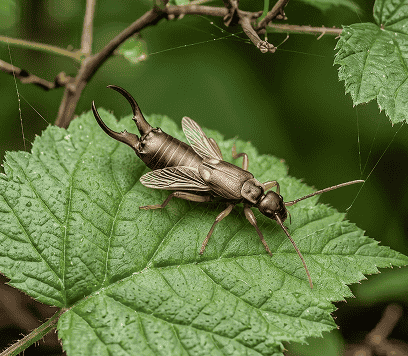
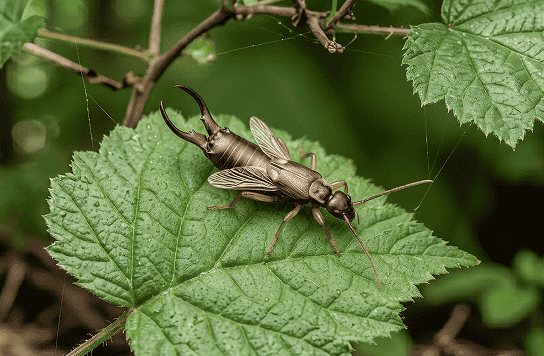
Common earwigs found in Canada are small insects recognized by their pincers (forceps) at the end of their bodies. They are typically found in damp, dark environments such as basements, gardens, mulch, and around foundations. Earwigs are mostly active at night and often enter homes in search of moisture and shelter.
While earwigs are not dangerous, their presence can become a nuisance, especially when they start appearing indoors in large numbers. Fortunately, Mosquito Man can help! Our earwigs control service is your reliable solution to eliminate these pests and keep your home or business protected.
Areas We Serve Tick Control
what we do
Licensed, insured technicians perform thorough inspections and build a customized plan — not just a spray. We find the source, eliminate breeding grounds, and create a lasting barrier.
If mosquitoes return between treatments, we come back at no extra charge. That’s the Mosquito Man promise.
Our Method
Earwigs thrive in moist environments and often hide during the day under debris, mulch, stones, and within cracks and crevices. They can quickly multiply if conditions are ideal. Our team understands their behavior and targets the root cause of the infestation.
We perform a detailed inspection of your property, focusing on moisture-rich areas such as basements, bathrooms, gardens, and around your home’s foundation. We identify entry points, nesting areas, and environmental factors contributing to the infestation.
We apply professional-grade treatments around the exterior foundation and targeted interior areas where earwigs are active. Our approach eliminates current infestations while creating a protective barrier to prevent future entry. We also provide guidance on reducing moisture and improving drainage to keep earwigs away long-term.
what we offer
Home Protection (Exterior)
Add two scheduled exterior pest-control treatments every 60 days for ants, spiders, silverfish, centipedes and more. We target cracks, crevices, and the base of the home to protect you from the outside in.
Home Protection (Interior)
Add two scheduled indoor pest-control treatments every 60 days for ants, spiders, silverfish, centipedes and cockroaches.
Why Us
We’re passionate about helping people just like you get rid of unwanted pest problems. As such, we are proud to be the only pest control company in Ontario promising excellence in value, service, and trust.
After your pest inspection, we’ll provide you with a quote that makes sense for your budget and unique needs. No surprise fees, ever.
We’re not happy unless you are. So if you’re not satisfied with your most recent service, we’ll make it right. That’s our Super Hero Guarantee.
We know you are putting a lot of trust in our family. So we promise to treat you and your home with the respect and care you deserve, always.
Questions
Can’t find your answer? Our team is always happy to help.
Earwigs are not harmful to humans and rarely use their pincers. They do not spread diseases, but their presence indoors can be unpleasant and alarming.
Earwigs enter homes in search of moisture, shelter, and cooler environments—especially during hot or dry weather. They are commonly found near basements, bathrooms, and kitchens.
Reducing moisture around your home is key. Fix leaks, improve drainage, and remove debris like mulch or leaves near your foundation. Professional pest control treatments also provide long-term protection.
Services Area
Mosquito Man has been protecting homes and yards across Ontario for over 8 years.
We cover: Barrie, Brampton, Burlington, Caledon, Cambridge, Hamilton, Kingston, Kitchener, London, Markham, Mississauga, Oakville, Oshawa, Richmond Hill, Sarnia, Sudbury, Toronto, Windsor, Woodstock and many surrounding communities.
Client Feedback


Services Area
Mosquito Man has been protecting homes and yards across Ontario for over 8 years.
We cover: Barrie, Brampton, Burlington, Caledon, Cambridge, Hamilton, Kingston, Kitchener, London, Markham, Mississauga, Oakville, Oshawa, Richmond Hill, Sarnia, Sudbury, Toronto, Windsor, Woodstock and many surrounding communities.
Don’t let pests take over your home.
Get a customized treatment plan from our experts and enjoy peace of mind all year round.
Starting at
$399/YR
Ant Inspection
Exterior Ant Treatment
Satisfaction Guaranteed
or dial 519-9709136
Starting at
$299/YR
Ant Inspection
Exterior Ant Treatment
Satisfaction Guaranteed
or dial 519-9709136
Do you have earwigs creeping around your garden or inside your Chatham home? These bugs can be annoying and sometimes cause trouble. But don’t worry—knowing how to spot and deal with them helps a lot. This guide shows you how to identify earwigs, find signs of infestations, and control these pests.
Knowing what earwigs look like is key for pest control in Chatham. If you catch them early, it’s easier to keep them out.
What Do Earwigs Look Like?
Earwigs have some clear features that make them easy to pick out:
If you see these traits, chances are you’ve found an earwig.
Spotting earwig signs early saves your plants and keeps your home safe. Watch for these clues:
These little hints tell you that earwigs are around and feeding. If you notice any of these signs, it’s time to act fast.
Don’t wait until the infestation grows bigger. Keep an eye out for these black droppings and holes on your plants. That way, you can stop the problem before it gets worse.
With this knowledge about earwig identification and infestation signs, you can handle pest control Chatham-style. Protect your garden and home by watching closely for these nuisance pests and getting professional earwig control if needed. Pest control services can help when things get tough.
Earwigs go through a simple insect lifecycle. It starts with eggs, then nymphs, and ends with adults. Females lay eggs in moist soil or hidden spots in spring. The young earwigs, called nymphs, look like small adults but don’t have full pincers yet. They shed their skin several times before they grow up.
These insects come out mostly at night. Yep, they are nocturnal. During the day, they hide to stay safe from predators and dry weather. They like damp places where food like dead plants and tiny bugs are easy to find.
Knowing this pest lifecycle helps you understand why you have to target their egg hiding spots and where nymphs and adults stay safe.
Earwigs love dark, cool, moist places to hide. They avoid heat and dryness. Here’s where you might find them:
Cutting down these hiding spots helps control them. Get rid of extra organic stuff near your house. Fix drainage so water doesn’t sit around too long.
Check crawl spaces and shady corners often. That way, you can catch infestations before they get big.
In Chatham, earwigs move around most on warm nights when humidity is up after sunset. Their pest activity cycles follow this nighttime insect activity pattern well.
From late spring to summer, they start moving soon after dusk and stay active till before dawn. They need moisture plus cooler temps at night to be comfortable.
Knowing when earwigs come out helps you plan control steps better—like setting traps or spraying at night for best results.
| Control Tip | Best Time to Act |
|---|---|
| Trapping | Evening (after sunset) |
| Habitat modification | Any dry daylight hours |
| Inspection of hiding spots | Early morning |
If you watch their life cycle habits, where they hide, and when they are most active in Chatham’s climate, you can fight earwigs more smartly.
Mosquito Man gives advice on managing local pests including how to handle earwig problems around your place.
Earwigs can cause all kinds of damage to your garden and plants. They chew small holes in leaves, flowers, and soft fruit. Sometimes the damage looks subtle, but it can get serious fast. You might see ragged edges or patches on your plants.
They love eating vegetables, especially young seedlings and leafy greens like spinach or lettuce. Fruits don’t escape either. Soft fruits such as strawberries and raspberries often get bruised by earwigs, which can lead to rot. Flowers show damage too — think chewed petals or buds that never open.
Earwig damage is different from other pests’. They don’t leave slime trails like slugs or snails do. Instead, you’ll find chew holes without any slimy mess. If you ignore these signs early on, earwigs can ruin crops or decorative plants in just a few days.
Earwigs hang out in moist spots with lots of hiding places near plants they like to munch on. Protecting your vegetable garden means watching seedlings closely because earwigs love them.
Flowers suffer too since earwigs nibble on buds before they bloom. Stone fruits like cherries and peaches are not safe either. Sometimes earwigs feed on corn silk during late summer.
To keep seedlings safe:
Remember, some natural predators live where mulch is thick but that doesn’t mean your garden is free of pests.
Knowing what pest caused the damage helps you fight it better. Earwig damage looks different from other insects’ work.
Here’s how to tell:
Birds and helpful insects eat pests too but won’t get rid of all earwigs completely. Watching how pests behave plus the kind of damage they cause makes it easier to spot which one you have.
| Control Aspect | Earwig Damage | Other Common Pest Damage |
|---|---|---|
| Feeding Pattern | Irregular chew holes | Slime trails (slugs/snails), skeletonized leaves (caterpillars) |
| Time Active | Nighttime | Daytime |
| Preferred Plant Targets | Soft fruits, vegetables, flowers | Varies widely |
| Signs Left Behind | No slime trail | Often present |
Spotting these differences helps pick the right way to deal with earwig problems around your property in Chatham.
If you want to control earwigs in Chatham, you need a safe and effective plan. Professional earwig control can help when the problem is big. Experts use approved pesticides that focus on earwigs but don’t harm the environment much. These pesticide treatments often include chemical sprays made just for earwigs. They work well and keep other creatures safe.
When picking pesticide products, think about child and pet safety first. Choose items labeled safe for families. Always read and follow the directions carefully. Using these products right lowers risk and boosts their power. If you want effective earwig removal, mixing professional help with safe ways gives you the best results over time.
Many gardeners like eco-friendly pest control to protect plants without harsh chemicals. Natural pest solutions keep your garden safe and healthy. Insecticidal soap is a favorite because it breaks an earwig’s skin but fades fast in nature. It usually doesn’t hurt helpful bugs when used right.
Diatomaceous earth also works well. It scratches earwigs’ bodies, making them dry out and die. Sprinkle it around garden beds or near your house to protect plants naturally.
Non-toxic pest control methods keep your garden’s balance while stopping damage from earwigs.
You can make simple traps at home to catch earwigs without chemicals. These attract-and-trap methods work well if done right.
One easy trap uses rolled-up newspapers placed outside overnight. Earwigs hide there during the day because they like moisture inside the papers.
Fish oil traps also pull in earwigs by smell. You fill a container with vegetable oils or soapy water where they fall in safely.
These traps cost little and cut down on chemicals while controlling pests okay.
Sometimes, infestations get bad enough that insecticides are needed. Using them carefully makes a big difference.
Follow these tips:
Residual spray treatments work by making a barrier around your home or garden borders to keep earwigs out. Don’t overuse sprays or apply indoors unless the product says it’s okay for that space.
Responsible pesticide treatment helps fight earwigs while keeping your family safe.
Mosquito Man uses an integrated program that mixes several methods for better results in Chatham’s climate. This approach is called integrated pest management (IPM). It focuses on long-term solutions instead of quick fixes.
Key steps include:
Earwigs love damp places, so cutting off their water sources helps stop them from coming indoors at night.
This approach blends prevention with targeted treatments to keep your family healthy without hurting local wildlife.
| Method | Effectiveness | Cost | Environmental Impact |
|---|---|---|---|
| Habitat Modification | High | Low | Very Low |
| DIY Trapping | Moderate | Very Low | None |
| Natural Products (Soap/DE) | Moderate-High | Low | Minimal |
| Chemical Sprays | High | Moderate | Medium (if misused) |
| Professional Treatment | Very High | Higher | Controlled & Targeted Use |
Try mixing different methods today for safer, stronger ways to manage those pesky guests in your garden!
Earwigs like damp, messy spots where they can hide. To keep them away, you need steady pest prevention and good home perimeter maintenance. Focus on making your yard dry, sealing all the small cracks, and cutting down places where earwigs could hide.
Keep your house dry to make it less inviting. Seal up cracks in doors, windows, and walls. Check your foundation often. Fix torn screens to block earwigs from coming in. When you combine these steps with regular yard care, you create a strong barrier that stops infestations before they start.
Moisture control techniques matter a lot for stopping earwigs. These bugs like damp areas such as garden debris or thick mulch.
Try these tips:
These steps cut down on good hiding spots for earwigs and help with overall pest prevention.
Garden maintenance helps reduce the organic matter that attracts earwigs. Turning the soil breaks up ground where they might lay eggs.
Here’s what you can do:
Doing these simple garden tasks regularly lowers the chance of flower garden pests including those annoying earwigs.
| Control Method | Effectiveness | Cost | Environmental Impact |
|---|---|---|---|
| Home Perimeter Maintenance | High | Low | Eco-friendly |
| Moisture Control Techniques | High | Low | Eco-friendly |
| Garden Debris Removal | Moderate | Low | Eco-friendly |
| Soil Cultivation | Moderate | Low | Eco-friendly |
Try adding these long-term strategies today for fewer unwanted guests around your Chatham home and garden!
What are the most effective earwig traps for backyard pest management?
Rolled newspaper traps, vegetable oil traps, and fish oil attractants catch earwigs by lure. Set traps nightly and dump catches into soapy water to kill pests.
How can I safely remove earwigs from indoors and crawl spaces?
Vacuum strays found indoors, seal entry points, and keep crawl spaces dry with ventilation. Remove clutter and use insecticide alternatives if needed.
What natural pest solutions work best for earwig elimination services?
Diatomaceous earth and insecticidal soap provide non-toxic pest control. These break down earwigs’ exoskeletons without harming beneficial predators.
How does moisture control affect earwig pest management?
Earwigs thrive in damp spots. Reducing moisture around foundations and gardens lowers their habitat and stops infestations.
Why is integrated pest management important for residential earwig control?
IPM combines habitat modification, trapping, natural enemies, and safe pesticides. It offers a long-term, environmentally safe solution.
When is the best time to apply pesticide treatment for earwigs?
Apply treatments during cool evening hours or early morning. Avoid windy days to protect pollinators and improve effectiveness.
How do I distinguish earwig damage from other insect infestation signs?
Earwigs cause irregular chew holes without slime trails. Other pests leave different marks like skeletonized leaves or slime.
These steps create dry zones, reduce hiding spots, and strengthen pest exclusion methods naturally.
Following these insights aids in implementing effective trapping methods and improves overall outdoor pest control strategies.
Professional earwig control offers targeted insect bait effectiveness paired with thorough pest inspection and treatment methods tailored to your property needs. Experts ensure compliance with local pest regulations while applying approved pesticides safely around homes, focusing on integrated programs that reduce environmental impact while maximizing results in Chatham’s climate.
Regular sanitation cuts off food sources and reduces the chance of recurring insect infestations efficiently.
Combine consistent garden maintenance with seasonal pest control plans focused on reducing organic matter buildup and maintaining ambient conditions unsuitable for earwig life cycle stages. Encourage biological control by supporting natural enemies like aphid predators while limiting pesticide use through environmentally safe pest solutions.
Mosquito Man delivers reliable insect control services designed specifically for backyard pests common in Chatham homes, ensuring safe methods that balance effective earwigs treatment with protecting local wildlife habitats.
