
-

-
5.0 Rating
 7,500+ Reviews
Where are you located?
7,500+ Reviews
For reliable earwigs control in Belle River, Mosquito Man offers expert services. Our pest control approach ensures safe management of earwigs to protect your home and garden. Learn more about our earwigs control services.

The Services
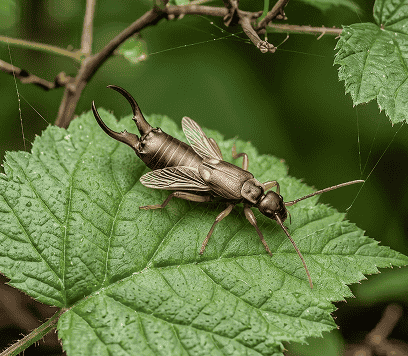
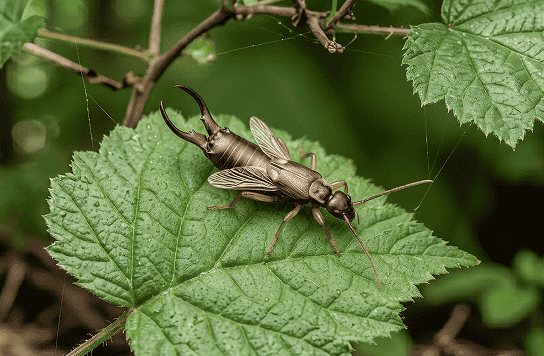
Common earwigs found in Canada are small insects recognized by their pincers (forceps) at the end of their bodies. They are typically found in damp, dark environments such as basements, gardens, mulch, and around foundations. Earwigs are mostly active at night and often enter homes in search of moisture and shelter.
While earwigs are not dangerous, their presence can become a nuisance, especially when they start appearing indoors in large numbers. Fortunately, Mosquito Man can help! Our earwigs control service is your reliable solution to eliminate these pests and keep your home or business protected.
Areas We Serve Tick Control
what we do
Licensed, insured technicians perform thorough inspections and build a customized plan — not just a spray. We find the source, eliminate breeding grounds, and create a lasting barrier.
If mosquitoes return between treatments, we come back at no extra charge. That’s the Mosquito Man promise.
Our Method
Earwigs thrive in moist environments and often hide during the day under debris, mulch, stones, and within cracks and crevices. They can quickly multiply if conditions are ideal. Our team understands their behavior and targets the root cause of the infestation.
We perform a detailed inspection of your property, focusing on moisture-rich areas such as basements, bathrooms, gardens, and around your home’s foundation. We identify entry points, nesting areas, and environmental factors contributing to the infestation.
We apply professional-grade treatments around the exterior foundation and targeted interior areas where earwigs are active. Our approach eliminates current infestations while creating a protective barrier to prevent future entry. We also provide guidance on reducing moisture and improving drainage to keep earwigs away long-term.
what we offer
Home Protection (Exterior)
Add two scheduled exterior pest-control treatments every 60 days for ants, spiders, silverfish, centipedes and more. We target cracks, crevices, and the base of the home to protect you from the outside in.
Home Protection (Interior)
Add two scheduled indoor pest-control treatments every 60 days for ants, spiders, silverfish, centipedes and cockroaches.
Why Us
We’re passionate about helping people just like you get rid of unwanted pest problems. As such, we are proud to be the only pest control company in Ontario promising excellence in value, service, and trust.
After your pest inspection, we’ll provide you with a quote that makes sense for your budget and unique needs. No surprise fees, ever.
We’re not happy unless you are. So if you’re not satisfied with your most recent service, we’ll make it right. That’s our Super Hero Guarantee.
We know you are putting a lot of trust in our family. So we promise to treat you and your home with the respect and care you deserve, always.
Questions
Can’t find your answer? Our team is always happy to help.
Earwigs are not harmful to humans and rarely use their pincers. They do not spread diseases, but their presence indoors can be unpleasant and alarming.
Earwigs enter homes in search of moisture, shelter, and cooler environments—especially during hot or dry weather. They are commonly found near basements, bathrooms, and kitchens.
Reducing moisture around your home is key. Fix leaks, improve drainage, and remove debris like mulch or leaves near your foundation. Professional pest control treatments also provide long-term protection.
Services Area
Mosquito Man has been protecting homes and yards across Ontario for over 8 years.
We cover: Barrie, Brampton, Burlington, Caledon, Cambridge, Hamilton, Kingston, Kitchener, London, Markham, Mississauga, Oakville, Oshawa, Richmond Hill, Sarnia, Sudbury, Toronto, Windsor, Woodstock and many surrounding communities.
Client Feedback


Services Area
Mosquito Man has been protecting homes and yards across Ontario for over 8 years.
We cover: Barrie, Brampton, Burlington, Caledon, Cambridge, Hamilton, Kingston, Kitchener, London, Markham, Mississauga, Oakville, Oshawa, Richmond Hill, Sarnia, Sudbury, Toronto, Windsor, Woodstock and many surrounding communities.
Don’t let pests take over your home.
Get a customized treatment plan from our experts and enjoy peace of mind all year round.
Starting at
$399/YR
Ant Inspection
Exterior Ant Treatment
Satisfaction Guaranteed
or dial 519-9709136
Starting at
$299/YR
Ant Inspection
Exterior Ant Treatment
Satisfaction Guaranteed
or dial 519-9709136
What Are Earwigs?
Earwigs are small insect pests that have pincers on their backs. They belong to a group called Dermaptera. These insects can be a real nuisance in your home and garden. To keep them away, you need to know how they behave and spot infestations early. Doing earwig control and earwig removal helps stop bigger problems. Preventing an earwig infestation is the best way to keep your space pest-free.
Physical Characteristics of Earwigs
Earwigs have soft bodies and usually range from 5 to 25 millimeters long. The European earwig is the most common type you’ll see. It has a long body with big pincers at the rear end. These little critters are excellent climbers, so they often sneak inside homes through tiny cracks or openings.
Stages of the Earwig Life Cycle
Earwigs go through three main life stages: egg, nymph, and adult. Female earwigs lay eggs in moist soil or among organic debris when the weather is warm. Baby earwigs, called nymphs, look like smaller versions of adults. You can lower their numbers by breaking this pest lifecycle with control methods.
Nocturnal Behavior and Activity Patterns
Earwigs mostly come out at night. They feed on decaying plants or small bugs under cover of darkness. This nighttime feeding means you won’t see them much during the day, but they might try to get indoors looking for shelter.
Impact on Homes
Usually, earwigs aren’t harmful to people. But if they invade your house, they can cause issues with household pest exclusion. They look for damp places or food indoors, which might bother you if too many show up.
Impact on Gardens and Plants
In gardens, these bugs can harm young plants by eating leaves, fruits, or veggies. This makes them a problem as garden pests. Checking your plants often helps catch damage early before it gets worse.
Typical Outdoor Locations
Outside, earwigs love moist soil found under rocks or logs. They hang out in cool damp spots packed with leaves or mulch piles too. Clearing away organic debris around your yard can cut down where they live.
Indoor Hiding Spots
Inside homes, earwigs hide in dark moist places like basements or bathrooms. They avoid light and squeeze into tight spaces. Finding cracks around windows or doors helps block their entry points. Getting rid of yard clutter also makes it harder for them to hide nearby and stops future infestations.
Earwigs cause damage you can spot as small chew holes in leaves, flowers, and fruits. They feed on soft-bodied insects but also nibble on plants. This pest-induced crop damage hits gardens hard, especially seedlings and tender leaves. Protecting seedlings is key to keeping plants healthy. Earwigs do eat aphids, which helps, but they still harm plants sometimes. Fruit tree protection matters because earwigs can chew on ripening fruit and leave ugly marks that lower fruit quality.
Here’s what earwig damage looks like:
Earwigs come out mainly at night. Their nocturnal insect activity means they feed when it’s cooler and more humid outside. Nighttime feeding helps them hide from birds and other predators. Their numbers change with the seasons: warm, wet weather lets them grow fast, but dry or cold times slow them down. Knowing when they are active helps time seasonal pest control better. You want to act before the problem gets worse.
Important points about earwig activity:
You can tell if you have an earwig infestation by spotting signs inside your home. Look near damp spots like basements or bathrooms where they like to hide. Outside, check your plants for uneven chew marks or damaged seedlings. They become a nuisance when they crawl into homes looking for shelter or food. Catching these pests early stops a bigger home pest invasion later.
Look for these signs of infestation:
People in Belle River should watch both inside and outside during peak seasons. That way, they can keep earwig problems under control before things get out of hand.
Controlling earwigs starts by blocking their entry. Seal cracks and gaps near doors, windows, and your home’s foundation. These are the usual entry points. Put insect-proof screens on windows and vents to keep pests outside while letting air flow. Check your home’s outside often for any openings that could invite pests. Inside, clear away clutter in basements and garages where earwigs like to hide. Dark, damp places are their favorites. Doing these household pest exclusion steps helps stop earwig infestations early.
Earwigs love moist spots with plenty of organic stuff. Remove extra mulch from garden beds; mulch holds moisture near your home’s base. Keep your garden clean by raking up fallen leaves and debris since these give earwigs shelter. Move yard clutter like wood piles or stones away from the house because these spots let them hide close by. Trim plants so they don’t touch walls or windows; this blocks easy paths into your home. Make sure water drains properly—soil should slope away from buildings. Cultivating soil often breaks up possible breeding areas.
Keeping your home in good shape cuts down on earwig problems indoors. Besides sealing visible cracks, check door sweeps and window seals for damage or wear that lets pests sneak inside. A strong pest barrier at the foundation acts as a shield against earwigs coming from the ground level. Fix any leaking pipes quickly since moist spots attract these bugs. Dry conditions push them away from your living spaces.
Moisture draws earwigs near homes in Belle River, so control it well. Clean gutters often to stop water pooling near foundations where earwigs gather. If you have a damp basement, use a dehumidifier or improve ventilation to lower indoor humidity levels. Dry wet outdoor areas too; this cuts down on cool, moist spots where earwigs like to hide during warm months.
By combining good prevention steps with smart landscaping and steady home maintenance, you can cut the chance of unwanted earwig visits at your place while helping with overall earwigs control Belle River efforts.
Getting rid of earwigs starts by changing where they live. You need to reduce their hiding places. Clear out yard clutter like leaves, wood piles, and garden debris. Earwigs love moist spots, so keep your garden clean and dry. Indoors, sweep or vacuum to remove crawling insects before they settle. Keeping both inside and outside tidy cuts down on earwig problems.
Here’s what to do:
Traps work well for catching earwigs without chemicals. Rolled newspaper traps give earwigs a dark, damp place to hide overnight. Throw away the trap with the bugs in the morning. Bamboo tube traps act the same way by copying hollow plant stems. Using vegetable oil or fish oil as bait helps attract them better when combined with sticky stuff on traps. These traps catch many earwigs safely.
Try these traps:
If physical methods don’t cut it, chemicals can help but use them carefully. Insecticidal soaps break down earwig shells and are gentle on plants and pets when sprayed outside. Diatomaceous earth is a natural powder that dries out pests on contact without bad leftovers. Spinosad baits target what earwigs eat and affect fewer other bugs than sprays do. Sometimes you’ll need residual insecticide sprays around doors or windows, but follow safety rules for pets and kids.
Remember these points:
The best way is to mix methods using integrated pest management (IPM). This means changing habitats, trapping bugs, and only using chemicals when really needed. It lowers harm to nature but still controls pests well. Attracting natural enemies like birds or helpful insects also fights earwigs naturally. IPM focuses on eco-friendly ways first and saves stronger treatments for last.
Main ideas:
Stopping earwigs inside means blocking where they get in. Seal cracks near doors, windows, pipes, and vents so bugs can’t crawl through looking for moisture or shelter. Safe indoor treatments include spot sprays of insecticidal soap or just vacuuming them up instead of spraying everywhere indoors. Keep indoor humidity low too because dry air makes it hard for earwigs to survive.
To keep earwigs out:
Put together, these tips help control earwigs both outside and inside your home effectively without risking safety for your family or pets.
If earwigs keep showing up inside your home or start causing damage, it’s time to get professional assistance. Pest control professionals offer reliable pest removal that really works. They focus on targeted pest management to fix the problem, not just mask it. Getting help early can stop a bigger infestation and keep your space safe from more trouble.
Knowing what kind of pest you have is important when your home faces an invasion. Earwig infestations might show up as clusters in damp spots or chewed plants. Sometimes managing earwigs alone gets tricky. Experts can check if you need serious treatment or if simple DIY steps work. Calling a pro saves time and gets better, safer results.
When you hire a professional service, expect safe solutions that care about the environment. Eco-friendly methods help keep things green and healthy. Integrated pest management means they inspect, prevent, and treat using a mix of smart strategies. This way, your family and pets stay safe while controlling earwigs.
Mosquito Man does more than just earwigs control Belle River. They tackle many pests like mosquitoes, ants, rodents, fleas, spiders, and wasps too. Their ant management solutions go after whole colonies well. Rodent exclusion methods block pests from getting in. All these efforts support healthier homes in the community.
Residents trust Mosquito Man for insect control Belle River wide. They handle indoor problems like residential earwigs control plus outdoor backyard pest issues. Household pest exclusion stops bugs at common entry points all year long. Seasonal pests get special treatments before they become a headache.
Keeping pests away needs regular care:
These simple steps help keep your home safe long after treatment ends.
Earwigs go through simple changes in their life. They start as eggs, then become nymphs, and finally adults. You can spot them by their long bodies and pincers at the back. Studies show earwigs eat plants and small insects. This can hurt crops in your garden. Keeping a balanced garden helps. Predators eat earwigs and keep them under control.
Here are some points to know:
Research papers on bugs explain how they eat and live. These are good guides for Belle River residents who want to control earwigs.
In Belle River, you must follow local rules when using pesticides. These rules help keep the environment safe and protect people’s health. They list which chemicals you can use, how to apply them, and when to do it.
Think about these safety tips:
Following these rules keeps pest control safe while cutting down unwanted bugs near your home.
Here’s what to remember about earwigs:
Inside your home, they hide in damp spots like basements or bathrooms. They don’t usually harm the house. But in gardens, they can eat seedlings or soft fruits.
How to manage earwigs:
Integrated pest management (IPM) means watching pest numbers often. It combines simple fixes with less pesticide use for better results in Belle River yards.
If you want more help with earwigs or other pests like ants or ticks, check online guides from government agriculture offices or university extensions. These guides explain steps clearly for local areas without pushing brands.
Look for info that includes:
Using these resources helps you keep both indoor spaces dry and outdoor gardens healthy without common pests hanging around.
FAQs on Earwigs Control Belle River
What are the best traps for catching earwigs?
Rolled newspaper and bamboo tube traps work well. Bait with vegetable or fish oil to attract more earwigs. Dispose of traps daily for effectiveness.
How do natural predators help in earwig control?
Birds, toads, and beneficial insects eat earwigs. Encouraging these natural enemies reduces earwig populations safely in your garden.
Can earwigs harm vegetable and flower blossoms?
Yes, they chew soft leaves, seedlings, and fruit. Protecting your garden with proper pest management prevents damage to plants and crops.
Is it safe to use insecticide sprays around my home?
Use residual insecticide sprays carefully near doors and windows. Follow safety instructions to protect pets and children during application.
How does soil cultivation help reduce earwig populations?
Turning the soil disrupts pest habitats and destroys insect larvae hiding underground. Regular cultivation lowers pest numbers effectively.
What are the signs of moisture attracting earwigs?
Look for damp soil, leaking pipes, clogged gutters, and poor drainage. Managing moisture reduces earwig hiding spots around homes.
Are bait stations safe for children and pets?
Yes, when used as directed. Place bait stations out of reach of kids and pets to ensure safe pest control around your home.
