
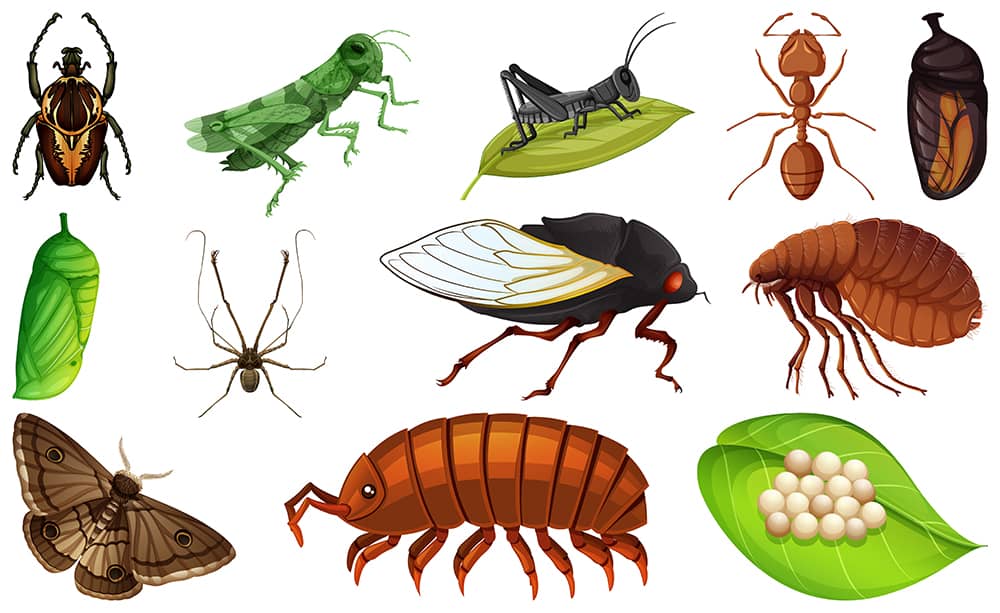
Mosquito Man focuses on the most common household pests in Hamilton to deliver targeted pest control solutions that address seasonal pest activity and risk factors. Using local expertise and professional treatment methods, the team offers effective pest management solutions tailored to Hamilton homes.
Freepik
Most Common Household Pests in Hamilton
Hamilton homes deal with lots of pests. These unwelcome critters can cause real trouble. Knowing which pests are common helps you fight them better. Here’s a quick list of what you might find inside your home:
- Ants: Carpenter ants and pavement ants often invade.
- Spiders: Brown recluse spiders and other kinds live around homes.
- Rodents: Mice and rats look for warmth indoors during cold months.
- Bed Bugs: Tiny bugs that bite and are hard to get rid of.
Brown Recluse Spider and Other Canadian Spiders in Hamilton Homes
The brown recluse spider is one that worries people. You can spot it by the violin shape on its back. It likes dark places where it spins big webs. If you see many spiders or webs, it might mean an infestation.
Signs you might have too many spiders include:
- Large cobwebs in corners
- Seeing spiders crawling around
- Bites causing red or swollen spots
Getting pros to check and treat these spiders works best to keep them away.
Carpenter Ants: Identification and Impact on Property
Carpenter ants are big trouble in Ontario homes. They don’t eat wood but tunnel into it for nests. This causes damage that can get worse fast if ignored.
How to spot carpenter ants:
- Black or two-colored ants up to an inch long
- Sawdust piles near wood parts of your home
- Sounds inside walls at night
Spotting them early helps stop damage before it grows.
Rodents and Urban Wildlife: Mice, Rats, Raccoons, and Skunks
Hamilton’s urban wildlife includes mice, rats, raccoons, and skunks. Rodents sneak inside homes for food when it gets cold. Raccoons and skunks dig through garbage looking for scraps too.
Rodent problems can cause health issues such as:
- Diseases from their droppings
- Food getting spoiled or unsafe
- Wood or wires being chewed up
Fixing rodent issues means closing off entrances and using traps or baits carefully.
Bed Bugs and Their Presence in Hamilton Residences
Bed bugs have spread more in Hamilton lately. These tiny pests feed on blood while you sleep. Their bites itch a lot and bother many people.
Watch for these signs of bed bugs:
- Small red spots on mattresses or sheets
- Groups of itchy bites on skin
- Dark marks from bug droppings on bedding
Getting rid of bed bugs needs special treatment from experts who know how to handle them well.
Knowing about these pests helps you catch problems early. When things get bad, calling Mosquito Man offers solid help for pest control in your home!
Seasonal Pest Activity and Risk Factors in Hamilton
Hamilton homes deal with many common pests that change through the year. Knowing about seasonal pest activity helps people stop problems early. Urban pests in Hamilton like ants, rodents, spiders, and mosquitoes act differently as seasons change. Weather and environment affect them a lot.
Pest seasonality means some pests get active only at certain times. In Hamilton, spring and summer bring more pests because it gets warmer and wetter. These conditions make perfect spots for bugs to breed and eat.
Seasonal risk factors include changes in temperature, moisture, food, and shelter near homes. For example, when snow melts in spring, it makes wet spots by house foundations. Ants or termites look for damp wood there. Warm summer nights help mosquitoes lay eggs in standing water.
Knowing these patterns helps experts treat pest problems before they get bad.
Summer Pests in Hamilton and Southern Ontario
Summer causes pest numbers to grow fast across southern Ontario. Heat mixed with humidity makes bugs multiply quickly. Many pests look for shade to stay cool but still need water.
Some common summer pests:
- Mosquitoes: Lay eggs in still water.
- Ants: Come inside looking for food when outside dries out.
- Spiders: Hunt more as other bugs grow.
- Rodents: Try to stay inside during hot days.
Humid weather lets moisture-loving pests like silverfish or cockroaches live inside homes near damp sinks or basements.
Warm shady places or cluttered spots give bugs safe spaces during summer’s peak months.
Pest Behavior Changes Across Seasons
Pests switch their actions to survive each season:
- Bugs often go dormant or die in winter; rodents move indoors to find warmth.
- Spring starts bug breeding cycles that cause big infestations by summer.
You can spot infestations by signs like droppings from rodents, wood damage from termites, ant trails, or bites from mosquitoes. Watching for these signs during the right season helps catch problems early.
Environmental and Structural Factors Influencing Pest Infestations
Some things around your home make pest problems worse:
- Breeding Environments: Rain leaves standing water where mosquitoes hatch.
- Dry Places: Some ants like dry cracks but still need moist soil nearby.
- Clean Flowing Water: Running drains keep mosquitoes away but clogged gutters trap water that attracts them.
Holes under doors or poor airflow let pests inside houses common in Hamilton. Keeping yards clean and free of debris cuts hiding spots that many pests need all year long.
Knowing how seasons change pest habits—and fixing environmental risks—helps protect homes better with treatments suited for each time of year.
Professional Treatment Methods for Common Pests in Hamilton
Pest control services in Hamilton use professional pest treatment that fits each pest’s habits. Local pest experts know how to handle pests safely and well. They combine targeted treatments with ways to stop pests from coming back. This approach makes pest extermination services work better for insects and rodents alike.
Effective Approaches to Brown Recluse Spider Control
Brown recluse spiders hide well in dark places like basements, closets, and woodpiles. In Hamilton, spider infestation needs careful removal because these spiders have venom and are hard to find. Professionals check all usual hiding spots first.
Here’s how they treat them:
- Use special insecticides made just for spiders.
- Put dust into cracks where sprays can’t reach.
- Seal openings to stop spiders from coming back.
Since brown recluse spiders hide during the day, people must watch for them over time. Local spider control teams mix sprays and safe removal to handle the problem without risking anyone’s safety.
Carpenter Ant Management Techniques Used by Professionals
Carpenter ants in Hamilton damage wood by making nests inside walls or beams. Unlike other ants, they don’t eat the wood but hollow it out. This can ruin your house if you don’t act.
Pros handle carpenter ants by:
- Finding nests with tools like moisture meters and sound detectors.
- Setting baits that ants carry back to their colony.
- Using insecticidal dusts or foams deep inside the wooden tunnels.
In Ontario, carpenter ants get active when it’s warm outside. Catching them early helps stop ant infestations before they spread.
Look out for signs like:
- Rustling noises inside walls
- Sawdust near wooden spots
- Big black or red ants indoors
Rodent Removal and Wildlife Control Strategies
Mice and rats invade homes in Hamilton all year. Raccoons and skunks also cause trouble when they hide under decks or attics.
Here’s what rodent control experts do:
- Check for entry points like gaps around pipes or vents.
- Seal holes bigger than a quarter inch using steel mesh or caulk.
- Place humane traps along where rodents travel.
- Clean up food that attracts rodents inside your home.
For wildlife removal like raccoon removal or skunk control, licensed pros trap animals live and move them safely according to local rules. They avoid hurting animals while protecting your property.
This method cuts chances of disease from rodents while keeping your home safe with expert rodent removal services nearby.
Bed Bug Eradication Procedures Employed by Experts
Bed bugs are more common in Hamilton now because people travel more and bugs resist store-bought treatments. Getting rid of bed bugs means more than stopping bites; you need total removal.
Experts use a mix of ways such as:
- Heat treatments that raise room temps above 120°F to kill all bed bugs fast.
- Pesticides made for indoor use on mattress seams, furniture joints, and baseboards.
- Vacuuming well and using covers on beds and sofas to block future infestations.
Spotting bed bugs early is key since they breed fast indoors. Pros tell you how to prepare before treatment and check after to make sure all bed bugs are gone.
—
Local pest experts know Hamilton’s pest patterns well—including which pests are active when—and give plans that fit each type of pest so homes stay safe and bug-free all year long.
Importance of Targeted Solutions for Pest Control in Hamilton Homes
Pest control works best when it targets the specific pests in Hamilton homes. Generic treatments often miss what makes each pest unique. Professional pest control services in Hamilton create customized treatment plans that fit your home. They deliver reliable pest removal while keeping your family and property safe.
Targeted solutions focus on how each pest acts and lives. For example, ants follow food trails, so baiting works well. Rodents need traps and ways to keep them out of your house. This method cuts down on using too many chemicals and stops pests from coming back.
Choosing pro pest control gives you access to experts who know local pests well. Reliable pest services check, identify, treat, and prevent pests all at once. This kind of plan keeps your home safe over the long run.
Tailoring Treatments Based on Pest Species and Infestation Level
Getting the right pest identified is key for good treatment in Hamilton homes. When you know which species you have, it’s easier to pick the best removal way. Technicians use methods that fit each insect’s life cycle or rodent habits.
Signs that pests have invaded can look different but usually include:
- Droppings
- Damage marks
- Nests
- Strange noises in walls or attics
Spotting these symptoms early means faster action before the problem grows big.
Pest extermination services change their approach based on how bad the infestation is:
- Light infestations: Use baits or sprays just where needed.
- Moderate infestations: Mix chemical treatments with barriers.
- Severe infestations: Use fumigation or several visits to handle the problem.
Knowing insect life cycles helps time treatments better—targeting bugs when they’re young can make a big difference.
Integrating Local Environmental Conditions into Pest Management Plans
Hamilton’s weather affects which pests show up and when. Things like humidity, temperature swings, and seasons change pest activity inside and outside homes.
Local knowledge matters here because it helps build pest management plans that fit these environmental facts and what homeowners want. Integrated pest management (IPM) mixes checking for pests with eco-friendly controls that cut down on chemicals but still work well.
For example, damp basements during rain bring in spiders or silverfish. Pros might suggest fixing moisture problems along with spraying directly. Warmer months may mean more ants, so putting out bait early helps stop them at doors or windows.
When local climate facts join a plan, teams give results that last longer and suit Hamilton homes better.
Preventive Solutions to Reduce Pest Risks in Hamilton Residences
Stopping pests before they get inside your home works best. In Hamilton, pest prevention means knowing when certain bugs and animals are most active. It helps to use the right methods all year long. Household pest prevention includes keeping your home in good shape and sometimes calling pest control pros who know local pests well.
Pests like spiders, bed bugs, and wildlife come out more during certain seasons in Hamilton. Knowing this can help you act early to avoid big problems. Home pest protection means finding spots where pests can sneak in or build nests around your house.
Experts check for seasonal risk factors, use eco-friendly treatments that are safer for people and pets, and keep an eye out for any signs of pests returning. This way, you get lasting results without using strong chemicals too much.
Home Maintenance Practices to Deter Carpenter Ants and Rodents
Keeping your home in good shape is key to fighting carpenter ants and rodents. Carpenter ants live where wood is wet or damaged, which happens often in Ontario houses. Checking wooden parts of your home for dampness or damage stops them from making nests inside walls or foundations.
Rodent control in Hamilton means sealing small gaps by doors, windows, vents, and pipes. Mice and rats squeeze through tiny holes easily. Clearing away clutter near your home cuts down hiding places for rodents and carpenter ants looking for food.
Pest-proofing homes involves easy fixes like repairing leaks fast, trimming tree branches away from roofs, keeping firewood off the ground, and cleaning gutters so water doesn’t collect. These steps make your house less inviting to pests all year round.
Seasonal Prevention Strategies for Spiders, Bed Bugs, and Wildlife
Spiders show up more late summer into fall because they want to get inside when it gets cooler outside. To keep spiders out in Hamilton:
- Seal windows tightly.
- Take down spider webs often.
- Keep storage spaces neat to limit spider hideouts.
Bed bugs can travel into homes anytime on luggage or secondhand furniture but pop up more after busy travel seasons. Catching bed bugs early plus using professional help stops them from spreading fast.
Wildlife removal matters most in spring when animals like raccoons or squirrels try to nest near houses. These animals look for spots like attics or chimneys. Spring brings more animal activity needing quick action by experts who remove them humanely following local rules.
Use of Pest Control Toolkits and Eco-Friendly Options
More people use pest control toolkits with eco-friendly treatments that work without risks. These kits often have traps or baits made for common pests along with simple instructions on how to use them right.
Eco-friendly pest control treatments use natural stuff like essential oils or helpful bugs that attack pests but don’t harm the environment—good if you worry about chemicals near kids or pets.
Environment friendly pest solutions mix cleaning up your home with changing outdoor areas where pests live plus using low-toxicity products only when needed after a full check by licensed pros who know local habitats well.
Using these prevention ideas along with expert advice in Hamilton helps protect homes against common pests all year long without causing trouble at home or outside.
Role of Local Expertise in Effective Pest Management in Hamilton
Local pest experts know Hamilton’s pests better than anyone else. They provide reliable pest services that fit local problems. These pros understand the weather and environment around here. That helps them deliver professional pest control that really works. When you pick local expertise, you get solutions made for pests found in this area. It’s a smart way to keep your home safe from unwanted critters.
How Local Knowledge Enhances Identification and Treatment Accuracy
Getting pest identification Hamilton right is key to fixing the problem. Local experts spot bugs quickly because they know which ones show up when and where. They use that info to make customized treatment plans for your home’s exact needs. That way, treatments hit the mark instead of wasting time on guesswork.
Here’s what local knowledge does:
- Finds pests fast
- Uses targeted solutions
- Cuts down on chemicals
- Matches treatment to your home’s style
- Times treatments to when pests are most active
This makes pest control more effective and long-lasting.
Collaboration Between Homeowners and Professionals for Long-Term Control
Homeowners and pros must team up for good pest control. Local experts offer consultation to spot weak spots around your house early. Then, you can take preventive measures before pests show up.
Preventive pest control might include:
- Regular inspections
- Sealing holes and cracks
- Getting rid of standing water or food scraps
- Teaching homeowners simple tips
When pests do appear, professional pest treatment cleans things up fast. Together, these steps protect your home over the long run.
Working with local pest management means you get advice made for Hamilton’s unique conditions. You also get help that lasts, not just quick fixes. This teamwork keeps your home safe now and later.
Frequently Asked Questions: FAQs About What Pests Are Most Common in Hamilton Homes—and How Local Pest Control Handles Them
What is integrated pest management and how does it benefit Hamilton homes?
Integrated pest management (IPM) combines monitoring, inspection, and eco-friendly control. It reduces chemical use and targets pests effectively in Hamilton homes.
How do local pest control specialists help with seasonal pest activity in Hamilton?
Local specialists use their knowledge of Hamilton’s climate and pests to time treatments. This helps prevent infestations during peak pest seasons like spring and summer.
What are the main pest exclusion methods used in Hamilton residences?
Sealing cracks, installing door sweeps, and repairing vents stop pests from entering homes. Proper exclusion reduces the chance of pest colonies forming indoors.
How important is pest monitoring and inspection for preventing home infestations?
Regular inspections detect early signs like droppings or nests. Monitoring helps catch problems before they worsen, saving homeowners from costly damage.
What eco-friendly pest control options are available for household pest management?
Natural repellents, traps, and low-toxicity products provide safe alternatives. They protect families while effectively controlling pests in an eco-friendly way.
What roles do landlords and tenants have in managing pests?
Landlords must provide safe, pest-free housing. Tenants should keep areas clean and report infestations early for prompt action by professionals.
How do pest treatment methods vary based on infestation levels?
Light infestations may need localized sprays or baits. Severe cases often require fumigation or multiple visits to fully eliminate pests.
Why is understanding the pest lifecycle critical for effective treatment?
Knowing a pest’s lifecycle helps time treatments when insects are vulnerable. This increases success rates and reduces the chance of reinfestation.
What Pests Are Most Common in Hamilton Homes—and How Local Pest Control Handles Them – Key Insights
- Regular pest inspections catch problems early before severe damage occurs.
- Use pest exclusion techniques like sealing gaps to block entry points for rodents and insects.
- Employ environment-friendly pest solutions, reducing harmful chemical use near children and pets.
- Maintain home sanitation, cleaning up food scraps and clutter that attract pests year-round.
- Follow a pest control schedule timed with seasonal changes to prevent population growth effectively.
- Use pest control toolkits with traps and baits for minor issues before they spread inside your home.
- Understand urban pest challenges, including raccoons, skunks, and rodents that invade Hamilton houses.
- Coordinate with pest control professionals, especially for tough pests like bed bugs or carpenter ants.
- Stay informed about pest control regulations Hamilton, ensuring treatments comply with local laws.
Prioritize pest safety measures, using proper equipment and licensed services to protect family health.