What kills bed bugs 100% is a question many ask, and Mosquito Man offers proven methods to get rid of bed bugs completely using certified pest control services in Vancouver. Prevent improper pest removal by relying on professional heat treatments and chemical treatments to safely eliminate bed bugs and prevent the spread of bacteria and eggs.
Freepik
Identifying a Bed Bug Infestation
Bed bugs are tiny pests that cause big problems. Spotting a bed bug infestation early helps you deal with it fast. Some common signs include:
- Visible Bugs: Bed bugs look like small apple seeds and are reddish-brown.
- Bites on Skin: You might see bites in clusters or lines, usually after waking up.
- Blood Stains: Tiny blood spots on sheets or mattresses can mean they fed there.
- Dark Spots: Small dark dots on bedding or furniture come from bed bug poop.
Where to Look for Bed Bugs
To find bed bugs, check these spots closely:
- Mattresses and Box Springs: Look at seams and folds where mattress bugs hide.
- Furniture Cracks: Inspect cushions and seams on sofas and chairs.
- Headboards and Bed Frames: Peek into cracks and crevices around the bed.
- Luggage Contamination: After trips, always check bags before bringing them inside.
Knowing these bed bug signs helps you act fast if you spot a problem.
Signs of Bed Bugs and Where to Look
Bed bug eggs are tiny, about 1mm, white or see-through. They’re hard to see but spotting them shows how bad an infestation is.
How to Treat Bed Bugs
If you suspect bed bugs:
- Wash your mattress covers in hot water to kill bugs and eggs.
- Vacuum using a HEPA filter; it grabs tiny particles well.
Also, getting a home pest inspection by pros can clear up doubts.
Health Risks Associated with Improper Pest Removal
Removing pests wrong can hurt your health. This is true for bed bugs and other pests like cockroaches too.
Here’s what can happen:
- Spread Bacteria: Cockroaches carry bacteria that spread when crushed carelessly.
- Egg Spread: Squeezing insects might scatter their eggs everywhere.
- Bacterial Contamination: Dead bugs raise bacteria levels inside your home.
Hiring certified pest control keeps things safe. It lowers health risks and helps keep your house clean.
By spotting signs early, using good treatments, and knowing the dangers of DIY removal, you’ll handle pest problems better.
Proven Methods That Eliminate Bed Bugs Completely
Getting rid of bed bugs takes proven methods that kill them all, 100%. You need effective bed bug treatments that hit every stage—eggs, babies, and adults. Otherwise, they just come back.
Main Bed Bug Eradication Techniques:
- Integrated Pest Management (IPM): Mixes checking, cleaning, and treatments to stop bugs for good.
- Heat Treatments: Heat the whole room above 120°F to kill bed bugs fast.
- Chemical Treatments: Use insecticides that stick around in hiding spots for longer kills.
- Physical Removal: Vacuuming and steam cleaning help but won’t finish the job alone.
Trying to do this yourself often fails. Bed bugs hide in tiny cracks and multiply fast. Pros offer guaranteed services with deep extermination. They also come back to check if bugs are gone.
Good extermination means using tested ways, not quick tricks. That stops bugs from coming back and keeps your home safe.
Professional Heat Treatments Explained
Professional heat treatments use thermal remediation to wipe out bed bugs without chemicals. They heat rooms above 120°F (49°C), killing every bug stage in just a few hours.
How Heat Treatment Works:
- Techs use special gear to heat rooms slowly so nothing breaks.
- The high heat reaches furniture, walls, mattresses, and cracks where bugs hide.
- They keep the heat up for several hours.
- Then they cool things down slowly to avoid damage.
Heat treatment for bed bugs has clear perks:
- Kills bugs fast without leaving poison behind
- Safe near kids and pets if done right
- No chemicals or waste cleanup needed
- Less hassle than fumigation
The trick is controlling heat time and temp exactly. Trained pros handle this with the right tools.
Professional Chemical Treatments Explained
Chemical treatments still play a key role when experts apply them carefully following safe pesticide use rules.
What Chemical Treatment Involves:
Techs spray insecticide on places bed bugs like—mattress seams, baseboards, cracks in furniture frames, even edges of electrical outlets.
They use residual insecticides that keep killing over time:
- Pyrethroids: Work fast but some bugs resist them now
- Neonicotinoids: Target bug nerves only
- Desiccants: Dry out bed bugs by breaking their outer layer
Pest pros pick chemicals based on how bad the infestation is. They avoid risks like poisoning or harming the environment by applying properly.
Before treatment, you prepare rooms (like removing food). Afterward, you follow instructions so the treatment can finish killing all pests.
Using heat and chemical treatments together covers stubborn infestations better than DIY methods alone. Getting pros like Mosquito Man in Vancouver gives you peace knowing your home will be bug-free with guaranteed results.
Physical Control Methods for Bed Bug Removal
Physical control methods help get rid of bed bugs without using chemicals all the time. These ways target bed bugs directly and often are part of a full plan to stop infestations.
Vacuuming Bed Bugs:
Use a vacuum with strong suction and a HEPA filter. It picks up live bed bugs, eggs, and shed skins from mattresses, furniture, cracks, and tight spots. Vacuum along seams on mattresses and soft furniture where bugs hide. After vacuuming, put the vacuum bag or dirt into sealed plastic bags right away. This stops bed bugs from escaping.
Mattress Cleaning:
Cleaning your mattress often lowers the chance of bed bugs spreading. Use steam cleaners that reach over 120°F (49°C) because heat kills all bed bug stages fast. Don’t soak the mattress; just steam edges and folds carefully.
Furniture Preparation:
Check furniture before treating it or throwing it away. Clear clutter near beds to cut down hiding places. Use special covers on mattresses and box springs to trap bugs inside until they die.
Sealed Plastic Bags:
Put things like bedding or clothes that might have bugs into sealed plastic bags. This cuts off their food source—your blood—and stops them from spreading during moving or storing.
These physical control methods work well with chemical treatments but usually don’t fix big infestations alone. Combining these steps helps make bed bug eradication techniques more effective.
Using Pesticides and Pest Control Products Safely
Chemical treatments still play a big role in killing tough bed bugs but you must use them right to stay safe and get good results.
Insecticide Application:
Only pick EPA-registered insecticides made for indoor use against bed bugs. Read and follow all label instructions about how much to use, where to spray, airing out rooms, and safety rules.
Chemical Treatments Options:
You can find sprays that kill bugs when sprayed plus ones that keep working on surfaces after spraying. Spray baseboards, wall cracks, behind outlets—places where bugs hide but you can’t reach easily.
Safe Pesticide Use Tips:
- Keep kids and pets away during treatment.
- Wear gloves if you apply pesticides yourself.
- Don’t put on too much pesticide; more won’t help but can be risky.
- Open windows after spraying before using the room again.
- Store pesticides somewhere safe out of reach.
- Throw empty containers away following local rules.
Always read pest control label instructions carefully before using any product. Labels have important safety info approved by groups like the EPA.
Why Ozone Generators Are Not Recommended for Bed Bug Control
Some people say ozone generators kill pests naturally but these machines cause serious problems and don’t work well on bed bugs.
Ozone can’t get deep into mattress seams or wall cracks where bed bugs live well enough to kill them reliably. Plus:
- Environmental Pest Hazards: Ozone mixes with indoor air chemicals making bad stuff like formaldehyde which hurts air quality.
- Respiratory Problems: Breathing ozone can cause coughing, chest pain, trouble breathing—especially bad for kids or people with asthma.
Because ozone generators don’t have proof they kill bed bugs well, experts say not to use them at all due to health risks.
For real results with safe methods backed by experience call Mosquito Man — trusted pest control pros in Vancouver offering heat treatments plus smart physical removal tactics that give fast help from pests!
Why Squishing Cockroaches Spreads Bacteria and Eggs
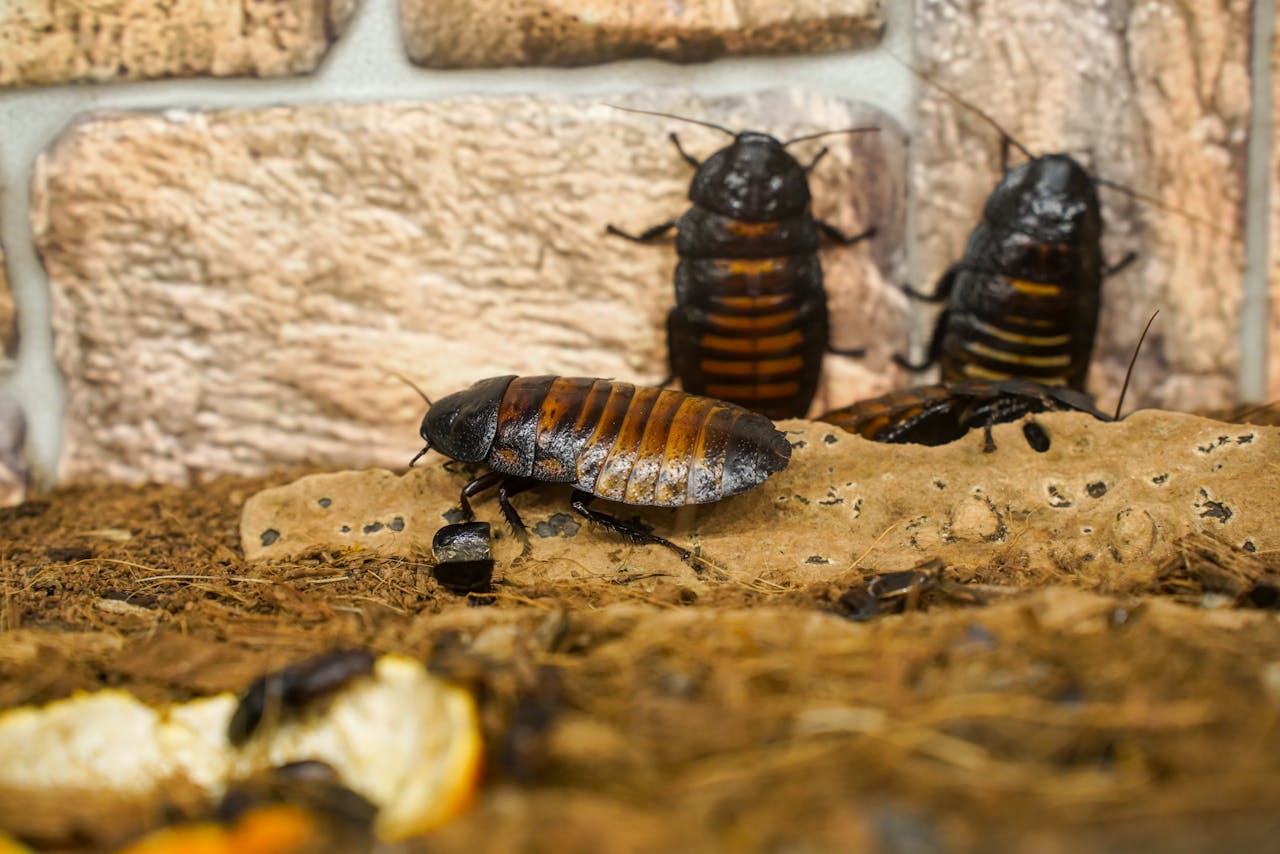
Squishing cockroaches might seem like a fast way to get rid of them. But actually, it spreads bacteria and eggs all over your home. Cockroaches carry bacteria like Salmonella and E. coli on their bodies. When you crush them, these bacteria get onto floors, counters, or in the air. This makes it easier for germs to spread.
Also, cockroaches lay eggs in cases called oothecae. They drop these egg cases while moving around. Squishing a roach can scatter these eggs farther than usual. Since cockroaches lay many eggs at once, this helps new roaches grow quickly.
Cockroach breeding habits make them hard to control. Females usually protect their egg cases until they hatch but still drop some here and there. So, when you smash a roach, you help spread bacteria and future pests in your space.
Key points:
- Cockroaches carry harmful bacteria on their bodies.
- Crushing spreads bacteria onto surfaces and air.
- Egg cases (oothecae) scatter when roaches get squished.
- Females drop eggs while moving, aiding spread.
- Rapid breeding makes infestations worse.
Health Risks Linked to Improper Cockroach Removal
Squishing cockroaches wrong can cause real health problems beyond just germs:
- Respiratory Problems: Dust and debris from crushed roaches have allergens. These can trigger asthma or breathing troubles.
- Contamination: Bacteria spread can spoil food areas and cause sickness.
- Fire Hazard: Dead bugs near outlets or appliances might cause short circuits or fires if not cleaned.
- Pest Extermination Hazards: Using unsafe chemicals without care can expose family to toxins.
Ignoring how you remove pests raises risks without fixing the problem well. Safe pest removal stops contamination instead of making things worse with careless methods.
Remember:
- Crushed roach particles irritate lungs.
- Germs contaminate kitchen spots easily.
- Dead insects close to electricity cause fires sometimes.
- Unsafe chemicals hurt people if misused.
Safer Alternatives to Squishing Cockroaches
You can fight cockroaches without spreading bacteria or eggs by choosing safer ways:
- Cockroach Prevention: Seal cracks, clean up food crumbs, and fix leaks where roaches hide.
- Safe Pesticide Use: Use EPA-approved pesticides carefully following instructions to keep risk low.
- Non-Toxic Pest Control Options: Try bait traps or diatomaceous earth which kill bugs but are less harmful.
- Pet-Safe Remedies: Pick treatments safe for pets like boric acid powders placed away from animals.
- Children-Safe Pest Control: Use natural repellents like peppermint or eucalyptus oils in small amounts that won’t hurt kids.
These methods reduce health risks while helping get rid of cockroaches over time. Professionals also offer safe pest control that keeps your home clean without spreading germs or toxic chemicals.
Tips for safer control:
- Block entry points and remove food sources.
- Follow pesticide labels exactly for safety.
- Use natural or non-toxic products first.
- Protect pets by placing treatments out of reach.
- Choose gentle options safe around children.
Benefits of Certified Pest Control Services in Vancouver
Picking certified pest control services in Vancouver means you get real help with bed bug extermination. These pros have training that covers the best ways to get rid of pests for good. Their certification shows they follow strong industry rules and offer reliable services.
Certified companies use fumigation that fits your home’s needs. The staff includes licensed pest control technicians who make treatment plans based on how bad the infestation is and how your house is set up. This custom plan helps kill bugs better while keeping your family safe.
Another great thing is guaranteed services. Trusted companies promise their work with warranties or extra visits if needed. This gives you peace of mind that bed bugs won’t come back soon. Plus, certified teams try to use safer products when possible, so they don’t just focus on killing bugs but also on safety.
To wrap it up, choosing certified pest control means:
- Experts with training and licenses
- Treatment plans made just for your home
- Guarantees backed by follow-up visits
- Safe use of chemicals or heat treatments
These benefits show why professional pest control beats trying to fix things yourself when bugs stick around.
How to Find and Choose a Professional Pest Control Operator
When looking for a pest control operator, check their licenses first. Licensed pest operators give certified services that local authorities approve. Licenses prove they follow rules about safety and using chemicals right.
Good pest services also have happy customers who leave positive reviews. Ask about their proven methods for bed bug extermination, like heat combined with chemicals, to get full removal.
Professional treatment isn’t just spraying stuff around. It includes checking the place carefully, telling you how to prepare, targeting the bugs well, and watching after the job is done. A good operator will explain each step before starting.
Here’s how to pick the right one:
- Check licensing online or ask for proof
- Look for certifications about bed bug control
- Read reviews about trustworthiness
- Make sure they offer plans that fit your problem
- Get clear quotes with all costs upfront
Choosing a real pro saves you from wasting money and health risks from wrong pesticide use.
Importance of Free Inspections and Professional Consultations
Free home pest inspections matter a lot before any treatment starts. They find out exactly how bad the infestation is without guessing. Licensed technicians look carefully using tools like detection dogs or by checking common hiding spots such as mattress seams or furniture cracks.
Talking with experts during inspections helps you understand what to do next — maybe act fast or just take steps to prevent more bugs for now.
Many companies include follow-up visits to check if all pests like bed bugs are really gone from every spot in your house. This is super important because missed eggs can hatch and cause new problems fast, which regular people might not see.
Here’s why free inspections help:
- Spot problems right away, so you don’t pay for unneeded treatments
- Get clear info on what works best for your case
- Catch pests early, saving money before infestations grow
Spending time on expert checks first makes getting rid of pests easier and avoids health risks from DIY fixes that don’t fully kill the bugs.
Preventing Future Bed Bug Infestations
Stopping bed bugs means keeping up good home pest prevention. Bugs love moist places. So, control moisture by fixing leaks fast. Use dehumidifiers where air feels damp.
Sanitation helps a lot. Clean furniture often, especially beds and sofas where bed bugs hide. When you clean mattresses, vacuum the seams and edges well. Use a vacuum with a HEPA filter to catch tiny eggs and bugs.
Store clothes or bedding in sealed plastic bags to block bed bugs from spreading or coming back. Check secondhand furniture carefully before you bring it home. Untreated pieces often carry pests.
Here’s what works best:
- Control moisture by fixing leaks and using dehumidifiers
- Clean furniture and mattresses regularly
- Vacuum with HEPA filter to catch small bugs and eggs
- Use sealed plastic bags for storage
- Inspect secondhand furniture before bringing it inside
Do all these, and you make your home tough for bed bugs to survive.
Maintaining a Pest-Free Home Environment
Indoor pest control needs steady effort. Keep household pest prevention in mind by staying clean and tackling environmental issues.
Good indoor air quality helps cut down allergens that pests feed on. It also makes your home healthier to breathe in.
Mould attracts bugs like cockroaches that spread germs. So, prevent mould by airing out kitchens and bathrooms often.
Try these simple steps:
- Remove clutter where pests hide
- Seal cracks around doors and windows
- Keep air fresh with good ventilation
- Clean regularly to reduce dust mites and allergens
A tidy, well-kept house with fresh air keeps pests away long term—not just bed bugs but others too.
When to Call Professionals for Pest Control Assistance
Sometimes, DIY just won’t cut it. Call certified pest control services Vancouver trusts if bugs keep coming back or infest many rooms.
Licensed pest control technicians know how to find hidden bed bugs using special tools. They treat infestations safely with heat or chemicals depending on the case. Plus, they keep your family and pets safe.
Reliable services don’t stop after one visit—they come back to make sure pests are gone for good.
Here’s why pros help:
- They spot hard-to-find infestations
- Use safe, tested treatments
- Tailor plans to your problem’s size
- Provide follow-up visits to fully clear pests
When bugs stick around or get worse, professionals give peace of mind with expert care that lasts longer than home fixes alone.
Frequently Asked Questions: FAQs About What Kills Bed Bugs 100% & Why You Shouldn’t Squish Cockroaches
What are effective pest control products for bed bug and cockroach removal?
Effective pest control products include residual insecticides, insecticidal dusts like diatomaceous earth, and EPA-registered chemical sprays. Professionals choose treatments based on infestation severity.
How do freezing techniques help in pest control?
Freezing techniques expose pests to temperatures below 0°F, killing bugs and eggs slowly. This method is chemical-free and works well for items like clothing or small furniture.
Are natural remedies effective against bed bugs and cockroaches?
Natural remedies such as essential oils and diatomaceous earth can reduce pests but often work slowly. They work best combined with professional methods in persistent infestations.
What safety precautions should I take when using insecticide sprays at home?
Always follow label instructions, keep children and pets away during treatment, wear gloves, avoid overuse, ventilate rooms well, and store chemicals safely.
How do certified pest control technicians ensure safe pest management?
Certified technicians follow environmental safety standards and use tested methods. They apply treatments carefully to minimize health risks while ensuring thorough extermination.
What role does thorough cleaning play in preventing bed bug infestations?
Thorough cleaning removes eggs, shed skins, and food crumbs that attract pests. Vacuuming with HEPA filters and steam cleaning mattresses reduces allergen exposure and pest hiding spots.
Key Pest Control Tips for a Healthy Home
- Use vacuum attachments for mattress seams to remove bed bugs effectively.
- Employ paint thinner spray only under professional guidance to avoid toxicity.
- Choose eco-friendly pest treatments to protect indoor air quality.
- Practice sanitation practices like regular furniture cleaning to prevent infestations.
- Store infested items in sealed plastic bags before disposal or treatment.
- Use silica gel packets or insecticidal dust around furniture cracks as barriers.
- Schedule pest control follow-up care to catch newly hatched pests early.
- Avoid homemade pesticide risks by relying on registered products only.
- Manage household pest infestations promptly to reduce allergen exposure.
- Maintain mould prevention strategies since mould attracts cockroaches.
Urban Pest Control Strategies for Long-Term Success
- Seal cracks around doors and windows to block cockroach entry points.
- Use slow-acting bait traps that allow cockroaches to carry poison back to nests.
- Incorporate residual insecticides on baseboards for lasting protection.
- Apply steam cleaning bed bugs regularly in high-risk areas like bedrooms.
- Combine heat treatments with chemical methods for thorough pest eradication.
- Choose pet safe pest remedies like boric acid powders placed out of reach.
- Utilize non-toxic options such as diatomaceous earth powder where possible.
- Consider fumigation methods including sulfuryl fluoride gas for severe cases.
- Implement clothes dryer method at high temperatures to kill bed bugs on laundry.
Health Risks & Safety in Pest Extermination
- Avoid improper removal of cockroaches to reduce bacterial spread risks like Salmonella or E.coli contamination.
- Crushed roach debris can cause respiratory problems by triggering asthma attacks or allergies.
- Dead insects near electrical appliances pose serious fire hazard threats if not cleaned promptly.
- Pesticide misuse can expose family members, especially children, to toxic chemicals causing health issues.
Why You Should Avoid Squishing Cockroaches
Squishing cockroaches spreads bacteria onto surfaces increasing infection chances quickly. Egg cases scatter widely making infestations worse fast due to rapid reproduction cycles.
For expert pest control Vancouver BC trusts, rely on certified services offering safe pesticide use combined with professional heat treatments and physical controls for lasting relief from household pests.