
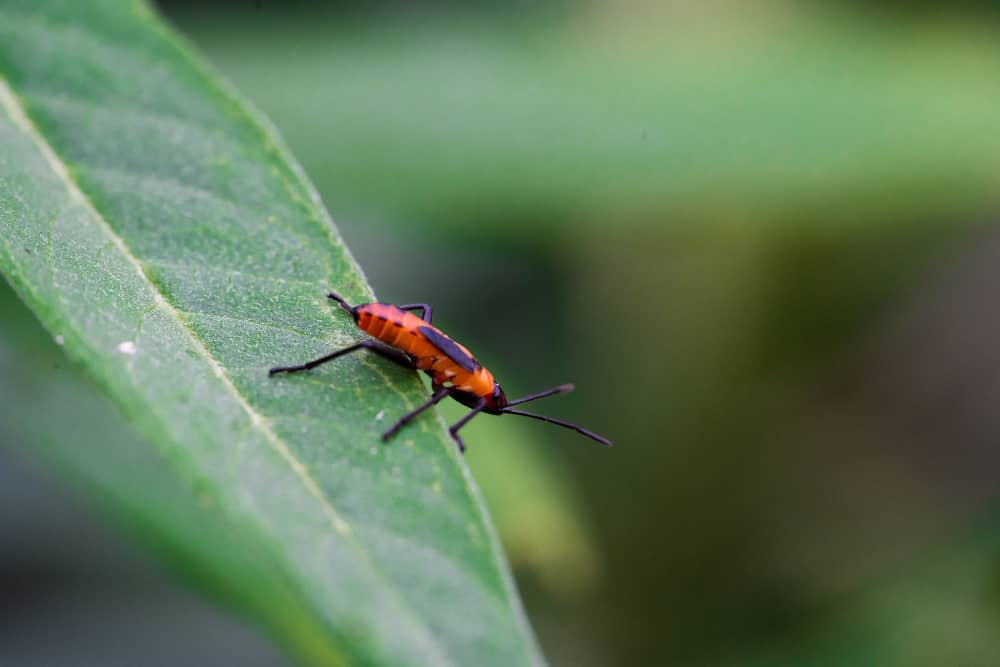
Knowing when ticks are most active is a foundational element of effective tick control in Sudbury Northern Ontario’s distinct four-season climate shapes tick activity in ways that differ from Southern Ontario — with shorter warm-weather windows but highly concentrated periods of risk that Sudbury residents need to plan around. Understanding this seasonal rhythm allows homeowners to take preventive action at the moments when it matters most.

Freepik
Spring Tick Activity in Sudbury
Spring marks the start of tick season across Greater Sudbury. As temperatures rise consistently above 4°C — typically in late April or early May in Northern Ontario — both overwintering adult ticks and newly emerging nymphs become active. Nymphal blacklegged ticks are particularly difficult to detect due to their tiny size, often no larger than a poppy seed, yet they are responsible for a disproportionate share of Lyme disease cases in Ontario. Spring treatments applied as temperatures climb interrupt the tick life cycle before populations can build through the season.
Early prevention during the spring window is one of the highest-value investments a Sudbury homeowner can make in tick management for the entire season ahead.
Summer Peak Season
Summer brings Sudbury’s highest levels of tick activity. Warm temperatures, humidity, and active wildlife movement through residential areas and conservation corridors create ideal conditions for tick survival and host-seeking behaviour. Residents spending time in Sudbury’s abundant parks, trails, and lakeside properties — or those with yards bordering wooded areas — face their greatest exposure risk during these months.
Regular tick control treatments on a 21-to-30-day cycle during summer help maintain manageable population levels and prevent the kind of rapid rebounds that occur when treatments are skipped or delayed.
Fall Tick Activity
As temperatures begin to drop in September and October, adult blacklegged ticks enter their most active host-seeking phase of the year. This fall window is frequently overlooked by homeowners, yet it represents a significant risk period in Sudbury. Adult ticks become highly aggressive in seeking a final blood meal before winter, remaining active through October and even into early November during milder fall weather.
A targeted fall treatment helps eliminate this late-season surge and reduces the number of ticks that will survive to reproduce and emerge the following spring.
Winter Preparation for Sudbury Homeowners
- Clear leaf litter from yard perimeters before freeze-up
- Stack firewood off the ground and away from the home
- Remove brush piles and debris that provide overwintering habitat for ticks and the mice that carry them
- Continue performing tick checks on pets during brief mild spells
Sudbury’s cold winters do reduce tick activity significantly, but good winter yard preparation reduces the population you will face the following spring — making early-season control more effective when it matters most.
Why Seasonal Consistency Delivers Better Results
Treating only once or skipping treatments during any of the three active windows — spring, summer, or fall — allows tick populations to recover quickly between applications. A structured, season-long approach to tick control in Sudbury consistently outperforms reactive or single-treatment strategies in both effectiveness and value over time.
Benefits of Seasonal Tick Control Planning in Sudbury
- Interrupts tick life cycles at the most critical and vulnerable points
- Reduces Lyme disease risk across all active seasonal windows
- More cost-effective than emergency treatments after an infestation is established
- Consistent protection for children and pets throughout the outdoor season
Understanding Sudbury’s tick season empowers residents to act at the right time — delivering better protection, better results, and more confident use of outdoor spaces across the warmer months.
Frequently Asked Questions: Tick Season Sudbury
When does tick season start in Sudbury?
Tick activity typically begins in late April or early May in Northern Ontario, once temperatures consistently exceed 4°C.
Are ticks active in Sudbury in the fall?
Yes. Adult blacklegged ticks are especially active in fall as they aggressively seek a final host before winter. Fall treatments are strongly recommended.
When is the highest-risk period for tick bites in Greater Sudbury?
Late spring through early summer, when nymphal ticks are active, represents the highest-risk window for Lyme disease transmission in the region.