


 900+ Reviews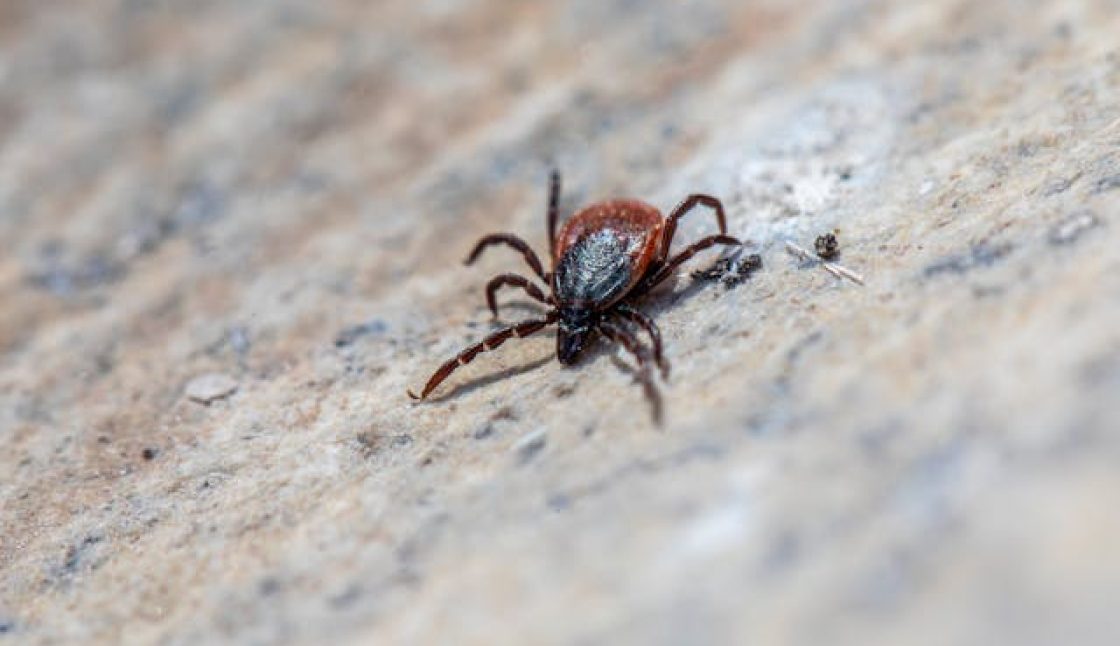
Planning effective tick control in Oakville requires a clear understanding of when blacklegged ticks are most active across Halton Region. Halton Region Public Health conducts biannual tick dragging each spring and fall to track tick populations across the community — and their surveillance consistently confirms that Oakville residents face real and ongoing tick exposure risk across a long active season. Ticks can be active any time the temperature is above freezing and the ground is not covered by snow, making awareness and prevention a near-year-round consideration for Oakville homeowners.
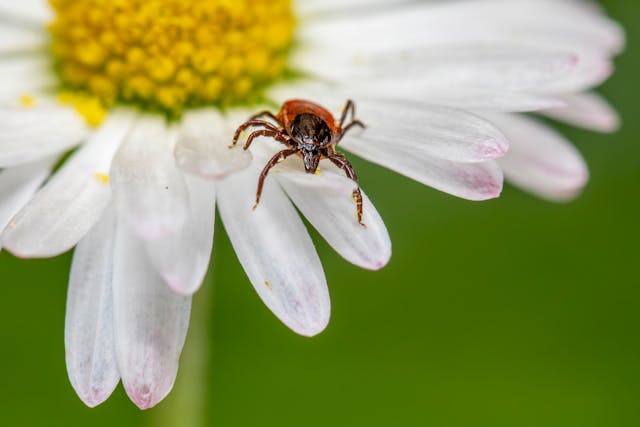
Pexels
Spring Tick Activity in Oakville
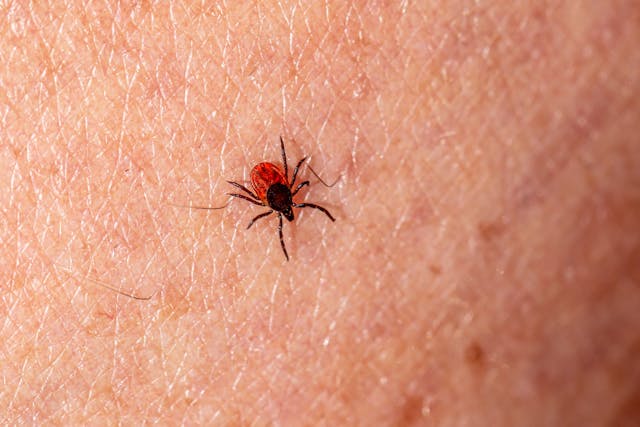
Spring marks the start of Oakville’s most concentrated tick activity period. As temperatures reliably climb above 4°C — typically in April across Halton Region — both overwintering adult blacklegged ticks and newly emerging nymphs become active simultaneously. Nymphal ticks are the life stage of greatest public health concern: they are extraordinarily small, often no larger than a poppy seed, and they go undetected on skin and clothing far more often than adult ticks. Despite their size, nymphs are responsible for a large share of Lyme disease cases across Ontario each season.
Halton Region Public Health’s spring tick dragging program consistently finds ticks in Oakville’s parks and conservation areas during this window — underlining why spring yard treatments are the most strategically valuable investment for Oakville homeowners through the entire season.
Summer Peak Season
Summer brings the highest overall tick activity across Oakville and Halton Region. Warm temperatures, humidity, and active wildlife movement through Oakville’s extensive trail systems, ravines, and green corridors create ideal conditions for tick survival and host-seeking behaviour. Residents spending time in Bronte Creek Provincial Park, Glenorchy Conservation Area, the Sixteen Mile Creek trail system, Joshua’s Creek Conservation Area, Coronation Park, and Oakville’s lakefront paths face consistent and meaningful tick exposure risk throughout the summer months.
Regular tick control treatments on a consistent schedule during summer help maintain manageable population levels and prevent the rapid rebounds that occur when treatment windows are skipped.
Fall Tick Activity
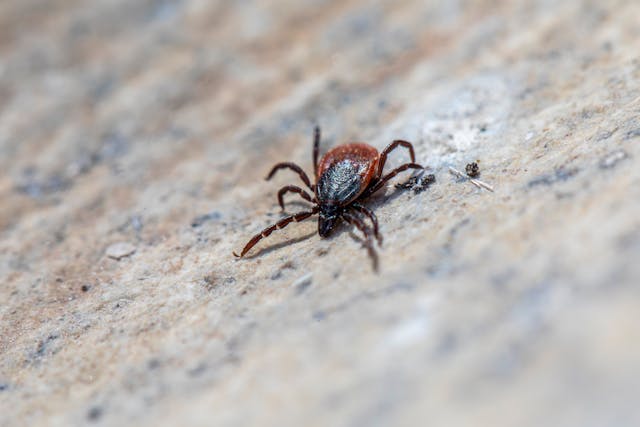
Fall is one of the most underestimated tick seasons in Oakville. As summer temperatures ease in September, adult blacklegged ticks become highly active in their search for a final blood meal before winter. Halton Region Public Health conducts its second annual tick dragging program specifically during fall — a direct acknowledgment of how significant this late-season activity window is across the region. Residents enjoying Oakville’s popular fall outdoor activities, including trail walking and time in the many conservation areas that draw visitors through October, face real and ongoing tick exposure risk during this period.
A targeted fall treatment addresses this seasonal surge and meaningfully reduces the number of ticks that survive to reproduce and become active the following spring.
Winter Tick Awareness in Oakville
- Clear leaf litter from yard perimeters before the ground freezes
- Stack firewood neatly and away from the home before the cold season sets in
- Remove brush piles and dense ground cover that provide tick overwintering habitat
- Continue performing tick checks on pets and family members during warm winter days above freezing
While Oakville’s winters do significantly reduce tick activity, warm spells above freezing can temporarily revive it. Maintaining good yard hygiene through winter reduces the population you will face when spring treatments begin — improving results from the very start of the next season.
Why Consistent Seasonal Treatment Outperforms Reactive Approaches in Oakville
Skipping any of Oakville’s three main tick activity windows — spring, summer, or fall — allows tick populations to rebound rapidly on untreated properties. Given that Halton Region Public Health’s own surveillance confirms steadily rising tick populations and Lyme-positive rates across the region, a structured, season-long approach to tick control consistently delivers far better protection and long-term value than one-time or reactive treatment strategies.
Benefits of Seasonal Tick Control Planning in Oakville
- Interrupts tick life cycles at the most critical and vulnerable seasonal points
- Reduces Lyme disease and tick-borne illness risk across all active months
- More cost-effective than emergency treatments after an infestation becomes established
- Consistent protection for children and pets throughout Oakville’s full outdoor season
Understanding Oakville’s tick season gives residents the information they need to act at the right times — delivering better protection and more confident enjoyment of the parks, trails, and outdoor spaces that make Oakville such a desirable community.
Frequently Asked Questions: Tick Season Oakville
When does tick season start in Oakville, Ontario?
Tick activity typically begins in April, as soon as temperatures consistently exceed 4°C across Halton Region — with Halton Public Health conducting its spring surveillance program each year to track the start of the season.
Are ticks active in Oakville in fall?
Yes. Adult blacklegged ticks are particularly active in fall, which is why Halton Region Public Health conducts a dedicated fall tick surveillance program each year across Oakville and the broader region.
When is the highest-risk period for tick bites in Oakville?
Late spring through early summer, when nymphal ticks are active and extremely difficult to detect, represents the highest-risk window for Lyme disease transmission across Halton Region.