


 900+ Reviews
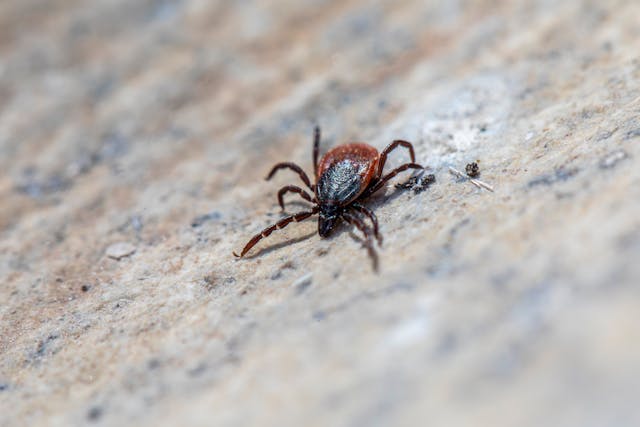
Planning effective tick control in Niagara means understanding when blacklegged ticks are most active across the Niagara Peninsula. Niagara Region Public Health advises that ticks can be active any time temperatures are above freezing — a threshold that Niagara’s mild, lakeside climate frequently crosses even in late fall and during warm spells in early winter. This unusually long active window, combined with the region’s established tick populations, makes seasonal awareness and consistent prevention more important than in many other Ontario communities.
Freepik
Spring Tick Activity in Niagara
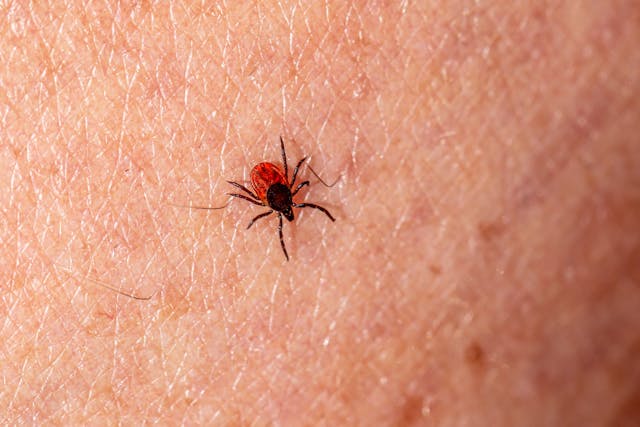
Spring marks the start of Niagara’s most concentrated tick activity period. As temperatures reliably climb above 4°C — typically in March or early April across the Niagara Peninsula — both adult blacklegged ticks that overwintered and newly emerging nymphs become active simultaneously. Nymphal ticks are particularly concerning from a disease transmission standpoint: they are extraordinarily small, often no larger than a poppy seed, and their bites go unnoticed far more often than those of adult ticks. Despite their size, nymphs are responsible for a large proportion of Lyme disease cases in Ontario each season.
Spring yard treatments applied as temperatures rise interrupt the tick life cycle before populations can build — making this the most strategically valuable treatment window for Niagara homeowners through the entire season ahead.
Summer Peak Season
Summer brings the highest overall tick activity across Niagara. The region’s warm temperatures, high humidity — driven by its proximity to both Lake Ontario and Lake Erie — and active wildlife movement through conservation corridors and residential green spaces create ideal conditions for tick survival and host-seeking behaviour. Residents spending time in Short Hills Provincial Park, the Bruce Trail, Queenston Heights Park, the many wineries and orchard trails of Niagara-on-the-Lake, or simply in their own wooded or naturalized backyards face their highest tick exposure risk during these months.
Regular tick control treatments on a consistent 21-to-30-day schedule during summer help maintain manageable population levels and prevent the rapid rebounds that occur when treatment windows are missed.
Fall Tick Activity
Fall is one of the most underestimated tick seasons in Niagara. As summer heat fades in September, adult blacklegged ticks become highly active in their search for a final blood meal before winter. Niagara’s moderate fall temperatures — moderated by the thermal effect of the surrounding Great Lakes — mean this activity window extends well into October and November, significantly longer than in many other Ontario regions. Residents enjoying Niagara’s popular fall outdoor activities — apple picking, hiking, winery tours, and trail use — face real and consistent tick exposure risk through this period.
A targeted fall treatment addresses this late-season surge and meaningfully reduces the number of ticks that survive to become active the following spring.
Winter Tick Awareness in Niagara
- Clear leaf litter from yard perimeters before extended cold periods
- Stack firewood off the ground and well away from the home
- Remove brush piles and dense ground cover that provide tick overwintering habitat
- Continue performing tick checks on pets and family members during warm winter days above freezing
Niagara’s Great Lakes-moderated climate means that true sustained cold arrives later than in inland Ontario communities. Ticks can remain intermittently active throughout mild winter spells, making good year-round yard hygiene a meaningful part of Niagara’s overall tick management strategy.
Why Consistent Seasonal Treatment Delivers Better Results in Niagara
Skipping treatments during any of Niagara’s three main tick activity windows — spring, summer, or fall — allows tick populations to rebound quickly on untreated properties. A structured, season-long approach to tick control consistently outperforms reactive or single-application strategies in both effectiveness and long-term value for Niagara homeowners.
Benefits of Seasonal Tick Control Planning in Niagara
- Interrupts tick life cycles at the most critical and vulnerable seasonal points
- Reduces Lyme disease and tick-borne illness risk across all active months
- More cost-effective than emergency treatments after an infestation takes hold
- Consistent protection for children and pets throughout Niagara’s extended outdoor season
Understanding Niagara’s tick season gives residents the information they need to act at the right times — delivering better protection and more confident enjoyment of the Niagara Peninsula’s exceptional outdoor lifestyle all season long.
Frequently Asked Questions: Tick Season Niagara
When does tick season start in Niagara, Ontario?
Tick activity typically begins in March or early April across the Niagara Peninsula, as soon as temperatures consistently exceed 4°C.
Are ticks active in Niagara in fall?
Yes. Adult blacklegged ticks are particularly active in fall, and Niagara’s Great Lakes-moderated climate extends this activity window well into November.
When is the highest-risk period for tick bites in Niagara Region?
Late spring through early summer, when nymphal ticks are active and extremely difficult to detect, is the highest-risk window for Lyme disease transmission across Southern Ontario including Niagara.