


 900+ Reviews
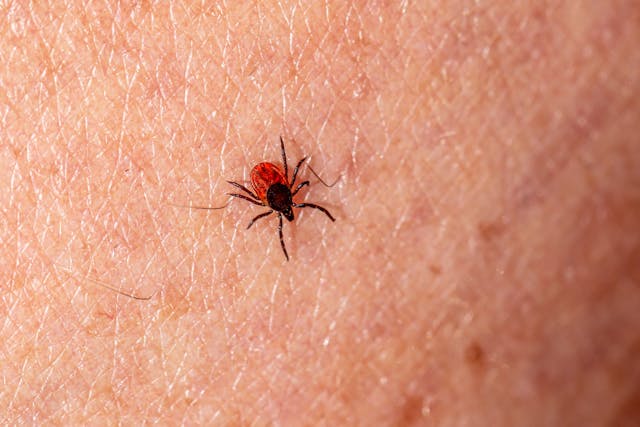
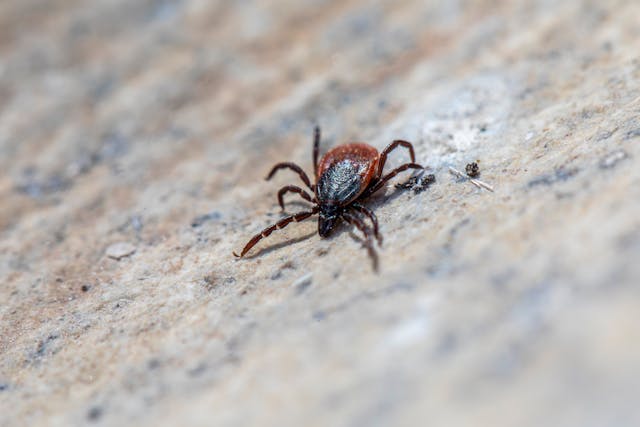
For pet owners across Niagara Falls, St. Catharines, Welland, and the broader Niagara Peninsula, tick control in Niagara is as much about protecting animals as it is about protecting people. The Humane Society of Greater Niagara and local veterinarians consistently emphasize that blacklegged ticks are now established across Southern Ontario including Niagara — and that consistent tick prevention for pets is no longer optional. Dogs and cats that spend time outdoors are among the most frequently tick-exposed members of any household, moving through exactly the kinds of low vegetation, garden borders, and trail edges where blacklegged ticks concentrate and wait for passing hosts.

Freepik
Why Pets Face Elevated Tick Risk in Niagara
Niagara’s mild, humid climate — moderated year-round by the proximity of Lake Ontario and Lake Erie — creates conditions that support tick activity across a longer season than much of inland Ontario. Dogs that explore backyards bordering conservation land, take walks along the Bruce Trail or Niagara River Recreation Trail, or play near the shrubby edges of parks throughout St. Catharines, Niagara Falls, Grimsby, and Pelham face consistent exposure to tick habitat throughout the spring, summer, and fall months. Even cats that venture outdoors in Niagara Region neighbourhoods carry meaningful tick encounter risk given the region’s established blacklegged tick populations.
Tick-Borne Health Risks for Dogs and Cats in Niagara
Blacklegged ticks in Niagara can transmit Lyme disease, anaplasmosis, and babesiosis to dogs — all now reportable as Diseases of Public Health Significance in Ontario. Dogs with Lyme disease may develop fever, shifting lameness, swollen joints, fatigue, and reduced appetite — symptoms that can develop weeks after a tick encounter and are easily attributed to other causes without veterinary testing. Annual 4DX blood screening, which tests for Lyme disease exposure as well as anaplasmosis and other tick-borne conditions, is recommended by many Niagara-area veterinarians for dogs spending time outdoors. Cats are less commonly diagnosed with tick-borne illness but remain susceptible to tick attachment and the complications that can follow, particularly during Niagara’s extended active season.
Performing Tick Checks on Pets in Niagara
After every outdoor outing — whether in a Niagara park, on a conservation trail, in a vineyard area, or simply in your own backyard — conduct a thorough tick check on your pet before they come indoors. Pay careful attention to the areas where ticks most commonly hide: between the toes, around and inside the ears, under the collar, in the groin and armpit areas, around the base of the tail, and along the belly. Use fine-tipped tweezers for removal, applying a slow, firm, straight pull without twisting or squeezing the tick. Consult your veterinarian if a tick was attached for a significant period or if your pet develops any unusual symptoms in the days following an outdoor outing.
Professional Yard Treatments That Protect Niagara Pets
Having your yard professionally treated is one of the most impactful steps a Niagara pet owner can take for animal health and safety. Perimeter barrier treatments significantly reduce the tick population your dog or cat encounters every time they step outside. Licensed pest control technicians use Health Canada-approved products formulated to be effective against blacklegged ticks while remaining safe for pets once fully dry — typically within two to four hours of application. Keeping pets off treated areas until the product has fully dried is the primary precaution required.
Pet-Safe Tick Prevention Best Practices for Niagara
- Use veterinarian-recommended oral or topical tick prevention products throughout the active season — beginning in early spring before ticks become active
- Perform thorough tick checks after every outdoor outing, particularly near wooded, naturalized, or trail areas
- Keep lawn areas trimmed short and garden beds clear of leaf litter and dense ground cover
- Ask your veterinarian about the Lyme disease vaccine, recommended for dogs in higher-risk Ontario regions like Niagara
- Schedule a professional yard inspection if ticks are regularly found on your pet
- Dry outdoor clothing and pet gear on high heat for at least 15 minutes to kill any hitchhiking ticks
Combining on-pet preventives with professional yard tick control creates the most comprehensive protection available for dogs and cats living in Niagara’s active and established tick environment.
Benefits of Professional Tick Control for Niagara Pet Owners
- Significantly reduced tick exposure every time your pet goes outdoors
- Lower risk of Lyme disease, anaplasmosis, and babesiosis for dogs and cats
- Reduced likelihood of pets carrying ticks indoors to human family members
- Greater peace of mind for pet owners across the Niagara Peninsula
Investing in professional tick control in Niagara is one of the most practical and impactful decisions an Ontario pet owner can make — protecting your animals, your family, and your ability to fully enjoy the outdoor lifestyle that the Niagara Peninsula has to offer throughout the season.
Frequently Asked Questions: Pet Tick Control Niagara
How do I protect my dog from ticks in Niagara, Ontario?
Use year-round veterinarian-approved tick preventives, perform thorough tick checks after every outdoor outing, ask about the Lyme disease vaccine, and have your yard professionally treated during the active tick season.
Are professional yard tick treatments safe for pets in Niagara?
Yes, when applied by licensed professionals using Health Canada-approved products. Keep pets off treated areas until the product is fully dry — typically two to four hours after application.
Can my cat get sick from a tick in Niagara Region?
Cats can be exposed to tick-borne pathogens and suffer from tick attachment complications. Regular tick checks and veterinarian-approved prevention remain important for feline health throughout Niagara’s extended tick season.