Sowbugs Control and Effective Sowbug Management Solutions
Our Unique Approach To Sowbugs Control
We take a unique approach to sowbug control. We arrive to your property and do a perimter spray around the yard, gardens, patios and/or anywhere else that we may find sowbugs located. Every time you cut your grass or trim your trees, the product we applied disappears. Also, extended periods of rainfall lower the efficacy of the product. Therefore, treating your yard once a year is enough to significantly reduce the sowbug population in your yard. Learn more about our approach.
1. INITIAL INSPECTION
A trained specialist will perform an inspection to examine the size of your yard and the density of your foliage through seeing your property on google earth. This step will help us set a final price!
Upon arrival, your technician will also look for signs of sowbugs or mosquitoes and identify potential breeding grounds.
2. EXTERIOR TREATMENT
Your technician will then safely treat your entire yard with a sowbug treatment, targeting trees, bushes, shrubs, and other heavily wooded areas. We’ll then return between Spring and Fall to inspect and treat your yard once again.
SAVE ON OUR MOSQUITO CONTROL PACKAGE

Why Choose Mosquitoman
Value
After your pest inspection, we’ll provide you with a quote that makes sense for your budget and unique needs.
Service
We’re not happy unless you are. So if you’re not satisfied with your most recent service, we’ll make it right.
Trust
We know you are putting a lot of trust in our hands. So we promise to treat you and your home with respect.
Why Choose Mosquitoman
Our Mosquito & Pest Control Services

Yard Protection
From
$450
$
BEST VALUE!
SAVE 20%
Read more
Your Package Includes:
- A Free Larviciding for standing water
- A Free Assessment of the property
- Licensed Technicians
- World Class Customer Service
- A Schedule to service time that is quick and efficient
- Our Super Hero Guarantee — if you’re not satisfied we come back!
Home Protection
From
$300
$
BEST VALUE!
SAVE 20%
Read more
Your Package Includes:
- A Free Larviciding for standing water
- A Free Assessment of the exterior of the home
- Licensed Technicians
- World Class Customer Service
- A Schedule to service time that is quick and efficient
- Our Super Hero Guarantee — if you’re not satisfied we come back!

Full Protection (Yard + Home)
From
$600
$
BEST VALUE!
SAVE 20%
Read more
Your Package Includes:
- Free Larviciding for standing water
- A Free Assessment of the yard and exterior of the home
- Licensed Technicians
- World Class Customer Service
- A Schedule to service time that is quick and efficient
- Our Super Hero Guarantee — if you’re not satisfied we come back!
Frequently Asked Questions
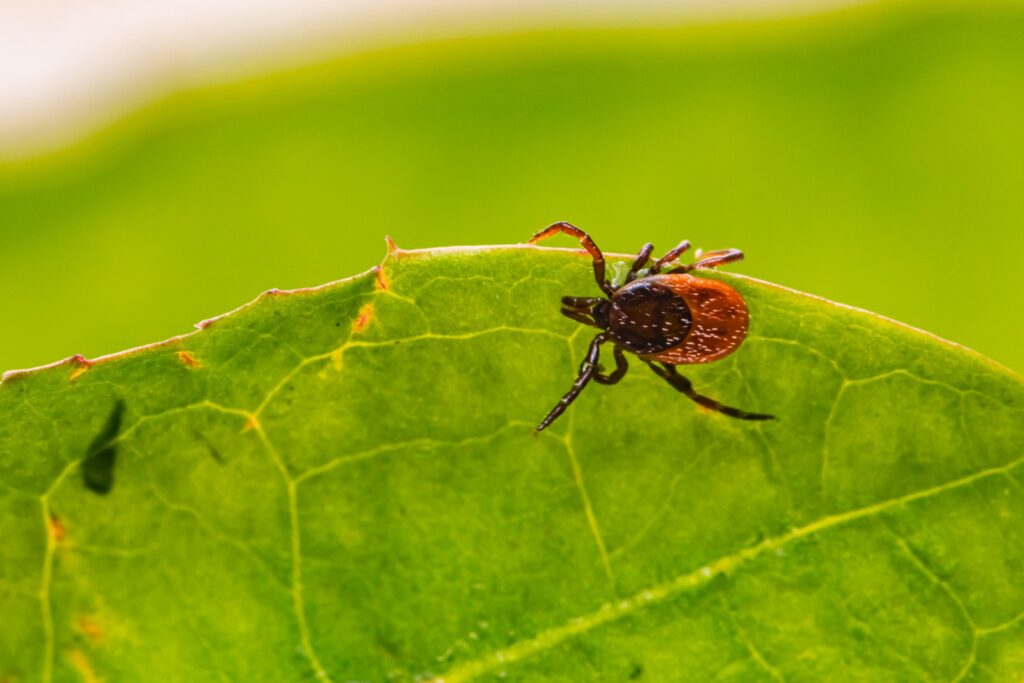
They can be! Sowbugs are known as one of the most dangerous pests and for a good reason. Some species transmit insect-borne diseases like Lyme Disease. But you don’t need to worry; our sowbug control service targets these blood-suckers, so they don’t target you. To schedule your first service, please call us today!
Our sowbug control service lasts 3-4 weeks on average. Of course, this depends on how often it rains and which treatment option you choose: our synthetic option lasts much longer than the eco-friendly alternative. So we recommend scheduling your treatments every 21 days during the warmer months to protect your family from sowbugs.

Client Feedback
Identifying Sowbug Hotspots Around Your Property
Where Do Sowbugs Commonly Congregate?
Sowbugs are small insects that like to live in moist, dark places around your property. They often gather under rocks, wood, and leaves where they can find shelter. These bugs prefer damp areas like mulch beds, compost piles, and spots with decaying matter. Gardens, yards, and lawns that stay wet create a good home for sowbugs to build an infestation.
If you see signs of an infestation, it usually starts in these wet, sheltered spots. Knowing where sowbugs live helps you find and fix problem areas faster.
Are There Specific Landscaping Features That Attract Sowbugs?
Certain landscaping features can attract sowbugs to your yard. Mulch, wood piles, and layers of leaves hold moisture and give these bugs good places to hide. Gardens with plants, vegetables, flowers, seedlings, and exposed roots offer food and shelter for sowbugs.
Damp, dark areas near your home’s foundation or soil that stays wet for a long time are common habitats. Compost piles and decaying organic matter also draw sowbugs in. Keeping these areas dry and clean can help lower sowbug numbers.
How Can I Check for Sowbug Infestations in My Garden?
Checking your garden often is important to find sowbug infestations early. Look in damp shelters like under rocks, wood, and leaf piles in your garden and yard. Watch for signs of bugs or insects gathered in these places.
Count how many sowbugs you find to check the size of the infestation. Also, look for damage to plants, such as eaten seedlings or roots. Finding infestations early helps you control sowbugs before they cause more harm.
If you want help controlling sowbugs or advice on pest management, contact Mosquito Man today. Visit our pest control products page for solutions that keep your garden healthy. What problems have you had with sowbugs? Share your experience in the comments below!
Natural Methods for Sowbug Management
What Are Some Eco-Friendly Ways To Deter Sowbugs?
Sowbugs like damp, dark places such as mulch and compost piles. To keep them away naturally, lower moisture and remove places where they hide. Keep your garden and yard clean by turning compost often and not watering too much. Use barriers made of rough materials to stop sowbugs from reaching seedlings and plants.
Check your garden regularly to watch for sowbugs. Finding them early helps you act fast and stop problems. Using Integrated Pest Management (IPM) means combining cleaning, physical barriers, and inspections to manage pests safely for a long time without harmful chemicals.
How Effective Is Diatomaceous Earth for Sowbug Control?
Diatomaceous earth is a natural insecticide made from fossilized algae. It works by damaging the outside shell of sowbugs. This causes them to dry out and leave your garden or yard.
It comes as dust or small granules and is safe for children and pets if used carefully. For best results, apply diatomaceous earth when the ground is dry, focusing on spots where sowbugs hide. It is a natural, effective pest control option that fits well with long-term pest management plans.
Can Certain Plants Repel Sowbugs From My Garden?
Some plants can keep sowbugs away naturally. Plant these around your garden’s vegetables and flowers to protect seedlings, roots, stems, leaves, and fruit. Good choices include:
- Rosemary
- Lavender
- Marigolds
- Garlic
These plants give off smells or oils that bother sowbugs and other pests. Planting them near your garden edges or close to vulnerable crops helps reduce pests naturally without using strong chemicals.
Are There Organic Sprays That Can Manage Sowbug Populations?
Organic sprays are liquid treatments made from natural ingredients to repel or kill sowbugs safely. Common ones contain neem oil, pyrethrin, or insecticidal soap. These sprays are eco-friendly and safe to use in gardens and yards where children and pets play.
Apply the spray directly on affected plants and nearby areas following the instructions on the label. Using sprays regularly with good garden cleaning improves results. Organic sprays give an easy way to control pests while supporting natural gardening methods.
For expert advice and trusted pest control products that fit your needs, contact Mosquito Man. Our options are safe, effective, and environmentally friendly. We help you keep a healthy, pest-free garden all year. Visit our product page to find natural pest control options today.
Frequently Asked Questions
Q: How often should I inspect my garden for sowbugs?
Check your garden once a week, especially after rain or watering, to spot sowbugs early.
Q: Is diatomaceous earth harmful to pets?
Food-grade diatomaceous earth is safe around pets if used as directed. Avoid breathing it in or getting it in eyes.
Q: Which plants are best for repelling sowbugs?
Rosemary, lavender, marigolds, and garlic work well to keep sowbugs away.
Q: Can I use organic sprays on all vegetables?
Yes, but always read the product label to make sure the spray is safe for your plants.
Have questions or want to share your tips for managing sowbugs? Leave a comment below – we’d love to hear from you!
Preventing Sowbug Infestations: A Homeowner’s Guide
How Does Proper Drainage Help Prevent Sowbugs?
Sowbugs live best in moist, damp places. When water does not drain well around your home or garden, it keeps the soil and dead plants wet for a long time. This makes it easy for sowbugs to live nearby. By fixing drainage, you lower moisture levels and make it harder for sowbugs to stay near your home’s foundation.
Good drainage moves water away from your house and yard. This stops wet spots where sowbugs can hide and find food. Keeping the ground dry is an important part of pest control sowbugs plans that helps reduce their numbers naturally.
To improve drainage and stop sowbug infestations:
- Clean gutters and downspouts often to avoid water buildup.
- Shape the soil so it slopes away from your home.
- Use drainage pipes or gravel trenches in low areas to move extra water.
- Repair leaking faucets or irrigation systems quickly to stop moisture build-up.
Lowering dampness and removing standing water helps pest management by reducing sowbug homes. Good sanitation and cleanliness along with proper drainage make the area less friendly for these bugs.
What Role Does Yard Cleanliness Play in Sowbug Prevention?
Keeping your yard clean helps prevent sowbugs. These bugs eat dead leaves, wood, and mulch piles. These things provide food and shelter, creating good conditions for them near your home and garden.
Bug removal starts with cleaning and regular yard work. Compost piles or leaf litter left alone can increase bug numbers. Checking your yard often helps find where sowbugs hide and what needs to be removed.
Tips for keeping your yard clean:
- Rake and throw away fallen leaves quickly.
- Move wood piles away from your home’s foundation or remove them.
- Don’t use too much mulch, especially in dark, wet spots.
- Look at shady areas often for signs of bugs.
A clean yard lowers sowbug homes and reduces pest removal problems. This simple step is important in managing pests and controlling sowbugs.
Are There Specific Mulch Types That Attract Sowbugs?
Not all mulch types attract sowbugs the same way. Wood mulch, especially thick and wet, gives shelter and food for these bugs. Leaves and other dead plant material also attract sowbugs because they hold moisture and create dark places.
To control and manage sowbugs in your garden or lawn, pick mulch carefully. Follow these tips:
- Avoid wood mulch near your home’s foundation.
- Use non-organic mulches like gravel or rubber when you can.
- Keep mulch layers thin and spread out to reduce moisture.
- Turn over mulch often to disturb sowbug homes.
Picking the right mulch and caring for it well helps pest control for sowbugs by limiting their shelters. This lowers the chance of infestations and protects your plants.
How Can I Seal Cracks and Entry Points to Keep Sowbugs Out?
Sowbugs get inside homes through cracks, gaps, and small openings near the foundation. Sealing these places is key to sowbug extermination and stopping new infestations.
Good pest removal means finding and blocking all entry points:
- Check the foundation, windows, doors, and vents for cracks or gaps.
- Use caulk, weatherstripping, or foam sealants to close these openings.
- Put door sweeps and screens on doors and windows to keep bugs out.
- Keep a clean area around your home free of debris and thick plants.
Check these barriers often to make sure they stay strong and work well. Closing off entry is a main part of pest management and sowbug solutions to lower numbers inside your home.
Sealing cracks not only stops sowbugs but also blocks other bugs, making your home safer and more comfortable.
Have you seen sowbugs near your home or yard? Share your experience or questions below! For professional pest control sowbugs help, contact Mosquito Man—your trusted partner in pest management. Visit our product page for treatments and tips.
Frequently Asked Questions: FAQs About Sowbugs Control
Q: Where do sowbugs usually hide around the home?
A: Sowbugs like damp, dark places such as under mulch, leaf piles, wood stacks, and near foundation cracks.
Q: Can sowbugs damage my garden plants?
A: Yes, while they mostly eat dead plants, they may sometimes chew on young plants and vegetables.
Q: How often should I inspect my yard for sowbugs?
A: Check regularly, especially after rain or in moist areas, to catch problems early.
Q: Are natural remedies effective against sowbugs?
A: Yes, improving drainage, yard cleanliness, and sealing entry points are natural ways to manage sowbugs supported by pest management.
For more help, contact pest control sowbugs experts or visit trusted sources like the University of California Integrated Pest Management Program.
Understanding the Sowbug Life Cycle
Sowbugs are small, gray insects that live in damp, dark places. Knowing the sowbug life cycle is very important for pest management and pest control of sowbugs. These bugs like to stay in wet areas, such as under rocks, wood, and leaves where decaying matter is found. The life cycle of a sowbug has several stages: eggs, young sowbugs, and adults. Each stage needs the right habitat with enough food, moisture, and shelter. To control these pests, you must understand where they live and what helps them survive.
What Is the Sowbug Life Cycle?
The sowbug life cycle starts when adult sowbugs lay eggs in damp, dark places. The eggs hatch into young sowbugs that look like smaller adults but need time to grow. They eat decaying matter and need moist environments to live. When conditions are good, sowbugs can multiply quickly. Controlling pest sowbugs means removing their moisture and shelter, like piles of wood or leaf litter. Knowing each part of the sowbug life cycle helps focus pest control efforts better and more successfully.
At What Time Of Year Are Sowbugs Most Active?
Sowbugs are most active in spring and summer. Warmer weather and higher moisture make it easier for sowbugs to grow and increase in number. Pest management should target these months to lower the sowbug population before it gets worse. Watching sowbug activity during these seasons helps home owners plan ways to stop infestations both inside and outside.
How Does Weather Impact Sowbug Populations?
Weather affects sowbug populations a lot. Moisture from rain, humidity, and wet soil makes a good habitat for sowbugs. Dry weather or drought lowers the moisture they need to live and reduces their numbers. Temperature also matters: warm weather helps them grow, but very cold weather cuts their numbers down. Good pest management looks at the weather to guess how sowbug numbers will change. This helps decide the best time for pest control.
Can I Determine The Severity of an Infestation by Observing Sowbug Behavior?
Yes, watching how sowbugs behave can show how bad an infestation is. Large groups near doors, windows, or basements mean the problem is serious. Checking places where sowbugs hide, like wood piles or wet spots, shows how many there are. Early checks and regular watching make pest removal easier. If plants or other materials get damaged, that may mean the infestation is severe and needs quick pest control sowbugs treatment.
Have you seen sowbugs near your home? Share your questions or stories below—we want to help! For expert pest control help with sowbug infestations, contact Mosquito Man today or visit our product pages for insect control options.
*Sources:*
– University of Minnesota Extension: Sowbugs and Pillbugs
– Entomology Today: Understanding Woodlouse Biology
Effective Sowbug Control Strategies
What Are The Most Effective Methods for Managing Sowbug Numbers?
Sowbugs are small pests that can damage plants and make gardens and homes uncomfortable. To reduce and control their numbers, you need to use several effective methods together.
Here are some proven ways to manage sowbug populations:
- Integrated Pest Management (IPM): Combine natural and chemical treatments to keep sowbug numbers low.
- Chemical Treatments: Use insecticides in sprays, granules, dust, or liquids made to target sowbugs.
- Natural Controls: Encourage birds and beetles that eat sowbugs to help lower their population without chemicals.
- Traps and Baits: Set traps or baits designed to catch and reduce sowbugs near your home.
- Barriers: Seal cracks and gaps where sowbugs can enter your home.
- Cleanliness and Sanitation: Remove dead leaves, mulch, and debris regularly to reduce places where sowbugs live.
Using these methods together will help control sowbugs and stop their numbers from growing.
How Do I Choose The Right Insecticide For My Sowbug Problem?
Picking the right insecticide is important for effective pest control of sowbugs. You should think about safety, how well it works, and what suits your situation.
Here’s what to consider:
- Types of Insecticides: Insecticides come as granules, dust, sprays, or liquids. Granules work well in soil, dust is good for cracks, sprays cover surfaces, and liquids act quickly.
- Safety: Choose insecticides safe for children and pets. Look for products labeled safe for home use.
- Effectiveness: Use products made specifically to control sowbugs for faster pest removal.
- Expert Advice: Ask pest control professionals for help in choosing the best treatment.
- How to Apply: Think about how easy it is to use and how much area it covers.
Using the right insecticide carefully helps control sowbugs fast while keeping your family safe.
When Is Professional Sowbug Extermination Necessary?
Sometimes sowbug problems become too big to handle alone. Professional sowbug extermination services use expert pest control to give lasting results.
You should call a professional when:
- The Infestation Is Large: Many sowbugs stay even after home treatments.
- The Problem Keeps Returning: Sowbugs come back after you try to get rid of them.
- You Need Inspection and Monitoring: Experts can check your property and track sowbug activity.
- You Want Integrated Pest Management (IPM): Professionals offer plans that mix chemical and natural methods.
- You Need Long-Term Prevention: Professionals provide ongoing treatments and advice to keep sowbugs away.
Professional pest control gives safe and effective sowbug removal with lasting effects.
What Steps Should I Take After Sowbug Treatment?
After treating for sowbugs, you need to keep taking steps to prevent them from coming back.
Follow these steps after treatment:
- Check Often: Watch treated areas to spot any new sowbugs.
- Keep Clean: Remove extra mulch, leaves, and moisture from your yard and garden.
- Fix Drainage: Sowbugs like damp places, so fix any poor drainage around your home.
- Seal Entry Points: Close cracks and gaps in walls, doors, and foundations to stop sowbugs from getting inside.
- Use Barriers: Put pest barriers in areas where sowbugs might enter.
Doing these things will help lower sowbug numbers and keep your home free of them for a long time.
If you want expert advice or professional sowbug control services, contact Mosquito Man today. We offer safe and effective solutions for lasting results. Visit our sowbug control product page to see your options. Have questions? Leave a comment below or call us for help.
What are the common species of sowbugs found in Canadian gardens and yards?
Sowbugs are small, grayish creatures often called pill bugs, roly-polies, or woodlice. They live in moist places like under mulch, stones, and dead leaves in gardens and yards. These are the most common sowbug species you might find in Canada.
How do sowbugs affect plants in a garden or yard?
Sowbugs usually eat dead plants and leaves. Sometimes, if many sowbugs are present, they can eat young plants and seedlings by chewing on their leaves and stems. Keeping soil healthy and removing extra moisture helps control them.
What are the best traps or methods to control sowbugs without harsh chemicals?
You can trap sowbugs by placing damp cardboard or potato slices near where they are active. Check these traps in the morning and throw away any catch. Sprinkling diatomaceous earth around plants also keeps sowbugs away naturally.
Can other pests like millipedes, centipedes, or earwigs be confused with sowbugs?
Yes, pests like millipedes, centipedes, spiders, ants, and earwigs look similar to sowbugs because they live in the same places. Millipedes curl up when touched, centipedes move fast and have many legs, and earwigs have pincers. It is important to identify them correctly to control them well.
How can I prevent sowbugs and similar pests such as spiders, ants, or springtails from invading my home?
Keep the ground near your home dry by improving drainage and using less mulch close to your house. Seal any cracks, remove leaf litter, and store firewood away from your home. These steps help stop sowbugs and other pests like spiders, ants, and springtails from coming inside.
What role do woodlice play in the ecosystem, and should I be concerned about their presence?
Woodlice help break down dead plants, which improves soil health. Their presence shows that the area is moist. They are usually harmless, but too many can harm young plants. Controlling moisture helps keep their numbers low.
Are there natural predators that help manage sowbug populations in yards?
Yes, birds, ground beetles, spiders, and some ants eat sowbugs. Having different animals and insects in your yard helps keep sowbug numbers under control.
When is sowbug activity at its highest, and how does seasonality affect control measures?
Sowbugs are most active in cool and damp times like spring and fall. During these seasons, remove water sources and clean up debris to reduce places where sowbugs hide. Changing control steps with the seasons works better.
Sowbugs Control – Key Insights
- Sowbugs and similar pests like roly polies, pill bugs, and woodlice often live in gardens and yards. They eat stems, fruit, and old plants around the home. To control sowbugs, keep areas clean, allow proper ventilation, and remove wet compost to reduce their hiding spots.
- Knowing different sowbugs species helps treat them better. These bugs like damp places and can be managed using safe, eco-friendly methods that focus on long-term control without relying too much on chemical products.
- To learn how to control sowbugs, use baits, traps, and repellents that keep them away. Treat your lawn and garden borders carefully. Many experts suggest using boric acid as a safe way to get rid of sowbugs.
- Sowbugs pests often share space with other insects like springtails, millipedes, spiders, earwigs, and ground beetles. A full check of the area helps choose the best plan combining chemical and natural ways to stop these pests.
- DIY sowbugs traps and control methods work best when you keep your home clean and dry. Focus on damp spots near your house and use safe eco-friendly products to protect the environment.
- To stop sowbugs for good, check regularly and get help from experts. Using a mix of chemical and natural tools can protect your lawn, compost, and garden over time.
- When controlling sowbug pest control in fruit and vegetable gardens, it is important to protect plants while removing wet debris. Use deterrents on borders to keep bugs away naturally.
- If you want to know how to control sowbugs in yard and garden areas, combine cleaning steps with expert services for the best results against these pests.
- We offer expert checks and custom sowbugs pest control plans that find the cause of infestations and provide lasting solutions for both homes and outdoor spaces.
- Understanding where sowbugs live and how they behave, such as liking damp soil and organic material, helps use safe, eco-friendly ways to control them while lowering the use of harsh chemical treatments.