
Effective Silverfish Control Solutions: Expert Extermination & Prevention
Our Silverfish Control & Removal Service
Common silverfish found in Canada are small, wingless insects that thrive in dark, damp environments such as basements, bathrooms, kitchens, and storage areas. These pests feed on carbohydrates like paper, glue, fabrics, and pantry items, which can lead to damage to books, clothing, wallpaper, and food products.
Silverfish are fast-moving and nocturnal, often going unnoticed until the infestation grows. Luckily, Mosquito Man can help! Our silverfish control service is your reliable solution to eliminate these pests and prevent future infestations. We use targeted, professional treatments to ensure your home or business stays protected.
Areas We Serve Silverfish Control & Removal
Mosquito Man has been successfully eliminating silverfish and other pests across Ontario for the past 6 years! We understand that every property and location comes with unique pest challenges, and we tailor our approach accordingly.
We proudly provide top-notch Silverfish Control Service and Pest Control in Amherstburg, Brampton, Burlington, Caledon, Cambridge, Chatham, Essex, Hamilton, Kingsville, Kitchener, LaSalle, Leamington, London, Markham, Milton, Mississauga, Newmarket, Oakville, Richmond Hill, Sarnia, Stouffville, Tecumseh, Thornhill, Toronto, Vaughan, Waterloo, and surrounding areas.
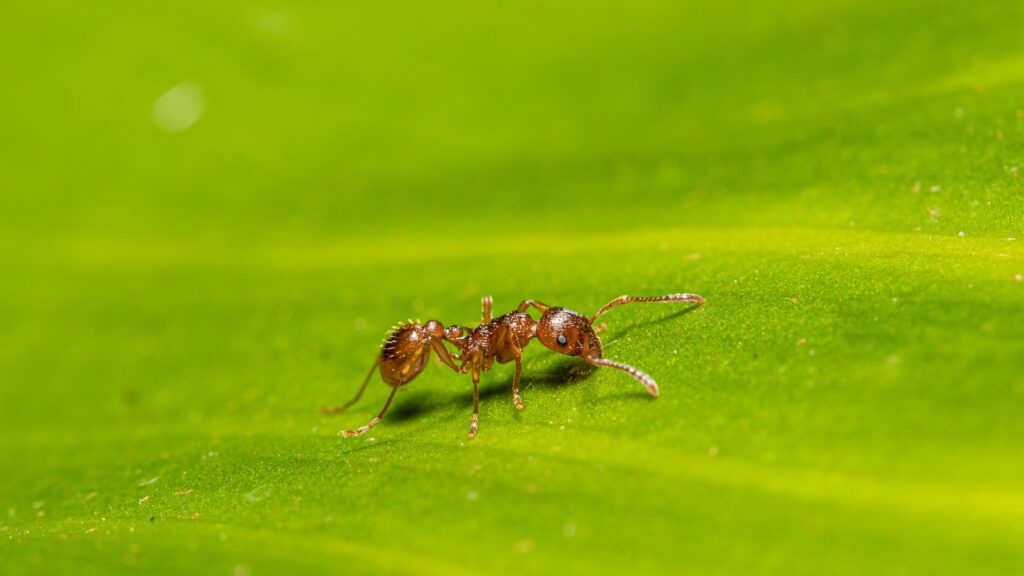
Our Unique Approach To Silverfish Extermination & Removal Service
Silverfish are attracted to moisture and humidity and often hide in cracks, crevices, and dark areas during the day. They reproduce quickly if conditions are favorable, making early intervention essential. Our team understands their habits and eliminates silverfish at the source.
1. SILVERFISH INSPECTION
2. INTERIOR SILVERFISH TREATMENT
Ant Control
Starting at
$399/YR
Ant Inspection
Exterior Ant Treatment
Satisfaction Guaranteed
or dial 519-9709136
SAVE ON OUR MOSQUITO CONTROL PACKAGE
Mosquito Control
Starting at
$299/YR
Ant Inspection
Exterior Ant Treatment
Satisfaction Guaranteed
or dial 519-9709136

Why Choose Mosquitoman
Value
After your pest inspection, we’ll provide you with a quote that makes sense for your budget and unique needs.
Service
We’re not happy unless you are. So if you’re not satisfied with your most recent service, we’ll make it right.
Trust
We know you are putting a lot of trust in our hands. So we promise to treat you and your home with respect.
Why Choose Mosquitoman


Our Mosquito & Pest Control Services

Yard Protection
From
$450
$
BEST VALUE!
SAVE 20%
Read more
Your Package Includes:
- A Free Larviciding for standing water
- A Free Assessment of the property
- Licensed Technicians
- World Class Customer Service
- A Schedule to service time that is quick and efficient
- Our Super Hero Guarantee — if you’re not satisfied we come back!
Home Protection
From
$300
$
BEST VALUE!
SAVE 20%
Read more
Your Package Includes:
- A Free Larviciding for standing water
- A Free Assessment of the exterior of the home
- Licensed Technicians
- World Class Customer Service
- A Schedule to service time that is quick and efficient
- Our Super Hero Guarantee — if you’re not satisfied we come back!

Full Protection (Yard + Home)
From
$600
$
BEST VALUE!
SAVE 20%
Read more
Your Package Includes:
- Free Larviciding for standing water
- A Free Assessment of the yard and exterior of the home
- Licensed Technicians
- World Class Customer Service
- A Schedule to service time that is quick and efficient
- Our Super Hero Guarantee — if you’re not satisfied we come back!
Frequently Asked Questions

Client Feedback
Recognizing a Silverfish Problem
Silverfish are small, wingless insects that often become pests in homes. It is important to spot a silverfish infestation early to control them before they cause major damage. These insects have long, slender bodies with a silvery shine. They move fast and prefer dark, damp places like cracks and crevices around your house. Common hiding spots include basements, attics, bathrooms, kitchens, and behind walls.
To detect a silverfish infestation, check areas with cardboard, paper, books, and stored food, as silverfish feed on starches and sugars found in these items. They may also be found near furniture, rugs, carpets, floors, ceilings, and other damp spots. Watching for eggs, larvae, nymphs, and adult silverfish can help you understand how big the problem is. Regular home inspections can show signs of silverfish activity before the infestation gets worse.
What Are the Early Indicators of Silverfish Activity?
Finding silverfish activity early can stop a large infestation. Here are common signs to watch for:
- Small stains or yellow marks on paper, wallpaper, or fabric caused by feeding.
- Tiny holes in books, cardboard boxes, and pantry goods.
- Shed skin from larvae and nymphs near infested spots.
- Droppings that look like tiny black pepper grains near hiding places.
- Seeing adult silverfish, especially at night when they are most active.
- Higher moisture and humidity levels, which silverfish need to survive.
By watching for these signs, you can catch a silverfish deficit early and take steps to prevent a full infestation.
Where Are Common Hiding Spots?
Silverfish like dark, damp, and quiet places where they stay hidden. Common hiding spots include:
- Cracks and crevices in walls, baseboards, floors, and ceilings.
- Damp areas such as basements, attics, bathrooms, and kitchens.
- Behind or inside piles of cardboard, paper, and books.
- Pantry shelves holding dry foods like flour, cereal, and sugar.
- Under or behind furniture, rugs, and carpets where moisture gathers.
- In closets or storage areas with stored clothes or fabric.
Knowing these habitats helps with pest control by focusing on where silverfish live and breed.
How Can You Confirm an Active Infestation?
To confirm an active silverfish infestation, inspect and monitor carefully. You can check for:
- Seeing live silverfish, especially at night when they are active.
- Using traps or sticky boards near places where they hide to catch them.
- Finding eggs, larvae, and nymphs, which show breeding is happening.
- Noticing fresh damage to books, paper, cardboard, and food packaging.
- Discovering droppings and shed skins in dark, moist spots.
- Doing a full home inspection focused on basements, attics, bathrooms, kitchens, and storage spaces.
If you find these signs, it means there is an active infestation that needs pest control quickly.
Have you seen small insects or damage that might be from silverfish? Share your experiences or questions below. Our team at Mosquito Man is ready to help you identify and manage silverfish problems.
For more tips on pest prevention and control, check out our pest management advice to keep your home safe from unwanted bugs.
Sources:
- Ontario Ministry of Agriculture, Food and Rural Affairs. Silverfish Management.
- University of California Agriculture and Natural Resources. Pest Notes: Silverfish. https://ipm.ucanr.edu/PMG/PESTNOTES/pn7427.html
DIY Silverfish Control Strategies
Dealing with silverfish can be frustrating, but there are many silverfish control methods you can try at home. These DIY solutions use safe and natural ways to get rid of silverfish without harsh chemicals. Knowing different control methods helps you pick the best option for your home’s safety and comfort.
Common pest control silverfish strategies include natural repellents, homemade traps, and treatments like boric acid or diatomaceous earth. Using these together improves your chances of silverfish eradication and keeps them away for good.
What Natural Repellents Deter Silverfish?
If you want to avoid chemicals, several natural repellents can help keep silverfish away. These use items you may have at home and essential oils that insects dislike, making them safe for your family and pets.
Good natural repellents for control silverfish include:
- Cedar oil: Spray it near baseboards, closets, and places where silverfish hide.
- White vinegar: Its strong smell bothers silverfish. Use it to wipe surfaces or spray cracks.
- Lavender: Fresh or dried lavender, plus lavender essential oil, keeps silverfish away.
- Cloves: Put whole cloves in cupboards or drawers to make silverfish uncomfortable.
- Citrus peels: Lemon, orange, or grapefruit peels work well when placed near entry points or storage areas.
These natural remedies are easy to use and safe for your home. Using them often helps stop silverfish from coming back and supports your overall insect control silverfish plan.
How Effective Are Silverfish Traps You Can Make at Home?
Homemade silverfish traps are a simple way to find and reduce silverfish in your home. They use bait and common materials you likely have, offering safe and cheap silverfish control without poisons.
DIY silverfish traps attract silverfish with starchy or sweet bait like bread or cotton balls soaked in sugar water. The silverfish get stuck on sticky traps or fall into containers they cannot escape.
Here are some facts about how well homemade silverfish traps work:
- They show where silverfish are active, helping you spot an infestation early.
- Traps reduce silverfish numbers but may not remove heavy infestations alone.
- Using traps with natural repellents and cleaning works best.
- They are safe around kids and pets because they do not use harmful chemicals.
Put traps in basements, closets, and behind furniture for better silverfish removal and improved pest control silverfish results.
Where Should I Apply Boric Acid for Silverfish Control?
Boric acid is a trusted treatment for effective silverfish extermination. It harms silverfish by damaging their stomach and shell, which leads to their death. Applying it right and safely is very important.
To use boric acid correctly:
- Apply boric acid powder in cracks, crevices, and hiding spots where silverfish live and move.
- Common places include baseboards, under sinks, behind appliances, along carpet edges, and inside closets.
- Avoid putting powder where children or pets can reach it.
- Use a thin layer; too much can reduce how well it works and spread where you don’t want it.
- Wear gloves when applying and wash your hands afterward to stay safe.
When used with cleaning and other insect control silverfish methods, boric acid offers a strong way for silverfish treatment and lasting elimination.
Prevention is Key
What Steps Can You Take to Reduce Humidity That Attracts Silverfish?
Silverfish live best in moist and humid places. Controlling humidity is an important part of silverfish control and silverfish prevention. Areas like basements, bathrooms, and kitchens often have high moisture levels, which create a good environment for silverfish. To lower humidity and keep silverfish away, try these steps:
- Use dehumidifiers: These devices take moisture out of the air and keep rooms dry.
- Improve ventilation: Open windows or use vents to let fresh air flow, especially in damp spots.
- Keep temperature low and dry: Cooler, drier areas make it harder for silverfish to survive.
- Fix any leaks quickly: Broken pipes or dripping faucets cause dampness and mold that attract silverfish.
- Control mold and damp areas: Clean and dry surfaces often to stop mold growth that lures silverfish.
By lowering humidity and moisture, you make your home less friendly for silverfish. Good insect control silverfish plans always focus on reducing dampness.
How Can You Seal Cracks and Crevices to Prevent Entry?
Sealing cracks and crevices helps block places where silverfish can get into your home. Silverfish can enter through tiny gaps in walls, floors, or foundations. Sealing these openings is an easy way to improve pest control and protect your home’s structure.
Follow these steps for sealing cracks to prevent silverfish:
- Check your home carefully: Look in basements, attics, around windows, doors, and pipes for gaps.
- Use strong sealants: Apply caulk, weatherstripping, or foam insulation to close all cracks and crevices.
- Choose long-lasting materials: Use products made to stay effective for a long time.
- Check and fix regularly: Look over sealed areas often and repair any new damage.
These barriers stop silverfish from entering and also help with home maintenance by adding insulation and saving energy.
Why Is Decluttering Important in Preventing Silverfish?
Keeping your home tidy helps a lot with silverfish control and silverfish prevention. Clutter gives silverfish places to hide and breed, raising the chance of infestation. Decluttering cuts down dust, food crumbs, and other things that feed silverfish.
Try these tips to keep your home clean and organized:
- Organize storage: Put items in sealed plastic containers instead of cardboard boxes.
- Dust and vacuum often: Remove dust and crumbs that attract silverfish.
- Get rid of unused paper and cloth: Silverfish eat starch found in paper, books, and clothes.
- Clean kitchens and bathrooms well: Regular cleaning stops crumbs, dampness, and mold.
- Throw out trash on time: Avoid piles of garbage that bring pests.
Keeping your home clean and free of hiding spots makes it harder for silverfish and other pests to live inside. Regular cleaning and good storage habits are key to silverfish removal and control.
Have questions about silverfish control? Share your thoughts or ask for help in the comments below. For expert silverfish control and prevention, trust pest control professionals with experience in managing these insects.
Sources:
- University of Minnesota Extension: Silverfish Pest Management
- Environmental Protection Agency (EPA): Moisture Control Tips
When to Call a Professional
Silverfish can be hard to deal with, especially when their numbers grow large. Small groups of silverfish might be controlled with home methods, but for bigger infestations, professional silverfish control is often safer and more effective.
If you keep seeing silverfish even after trying to remove them, or if many silverfish are invading your home, it is time to call pest control silverfish experts. They offer silverfish extermination and removal using targeted treatments that get rid of the pests safely and fully.
Professional silverfish treatment includes careful inspection, ongoing monitoring, and detection to keep your home safe and secure. Hiring professionals helps ensure full silverfish eradication and lowers the risk of future infestations.
Are Large Silverfish Populations Best Handled by Pest Control?
Silverfish infestations may seem small at first, but large groups can damage books, wallpaper, clothing, and food. In these cases, pest control silverfish services are the best solution.
Professional silverfish extermination aims to completely remove silverfish and stop the infestation. Experts carry out detailed inspections to find all hiding spots and keep monitoring to make sure silverfish are gone.
Using pest control professionals gives you confidence that your home is safe from more harm. Their skills and tools offer safer and stronger eradication, protecting your home.
What Are the Benefits of Professional Silverfish Treatments?
Professional silverfish treatment has many benefits over do-it-yourself approaches:
- Effectiveness and Thoroughness: Experts use special products like sprays and baits made for silverfish to target all pests.
- Safety: Professionals apply treatments carefully to protect your family and pets from harmful chemicals.
- Long-Term Control: Treatments include tips on prevention and monitoring to keep silverfish away for good.
- Expertise: Trained technicians know silverfish habits and can find hidden places for treatment.
- Comfort and Wellbeing: Having a home free of pests makes living more comfortable and less stressful.
These benefits make professional silverfish treatment a wise choice for your home’s health and safety.
How Do Professionals Locate and Eliminate Silverfish Nests?
Silverfish live in dark, damp areas like cracks, crevices, and moist spots. Professionals follow steps to find and remove silverfish nests:
- Inspection: Technicians check places where silverfish hide, such as basements, kitchens, bathrooms, and storage rooms.
- Monitoring: They use traps and look for signs of silverfish to see how big the infestation is.
- Detection Tools: Specialists use equipment to locate hidden nests and paths silverfish use.
- Treatment Application: They apply sprays, baits, and dusts directly where silverfish live and enter.
- Eradication and Control: Continued checks make sure silverfish are fully removed and help prevent them from coming back.
This method provides safe and lasting silverfish control that fits your home’s needs.
Have you faced silverfish infestations before? Share your stories or questions below — our team is ready to help you keep your home pest-free!
For expert advice on pest control silverfish and professional silverfish removal, visit our silverfish control services page to learn more.
*Mosquito Man works with certified pest control experts who use safe and responsible methods. Our treatments follow Health Canada guidelines and rely on proven research to ensure effective silverfish eradication.*
Understanding Silverfish Habits
What Is the Life Cycle of a Silverfish?
Silverfish are small, wingless insects with a silvery-grey colour and quick, fish-like movements. Knowing their life cycle helps to control infestations better.
The life cycle begins when silverfish lay eggs in dark, damp places like basements, bathrooms, or kitchens. These eggs hatch into larvae, or nymphs, which look like smaller versions of adults but are not fully grown. Nymphs shed their skin several times as they mature into adults. Adult silverfish can live up to three years, which is long for insects this size.
Silverfish prefer places with high humidity and moderate temperatures, usually between 70°F and 80°F (21°C to 27°C). They become more active and breed more during humid seasons. These insects live where food is easy to find, which supports their breeding and growth of infestations.
Understanding their habits helps homeowners spot signs of infestation early and use proper control methods before the problem grows.
What Do Silverfish Eat, and How Does This Affect Control Strategies?
Silverfish eat starch, cellulose, protein, sugars, and carbohydrates. They find food in pantries and kitchens, such as flour, cereal, and dried goods. They also eat non-food items with starch, like paper, books, wallpaper glue, and natural-fibre clothes. This causes damage to personal items.
Silverfish need water to live, so damp areas like bathrooms, basements, and laundry rooms attract them.
To control silverfish, consider the following:
- Food and Water: Store food in airtight containers and fix leaks to reduce attractions.
- Prevent Damage: Keep books and clothes properly stored to avoid silverfish harm.
- Control Methods: Use silverfish bait and traps to lower their numbers. Applying desiccant dust in cracks removes their protective layer, causing death.
- Environment: Lower indoor humidity by using ventilation or dehumidifiers to make the area less suitable for silverfish.
Knowing what silverfish eat helps you stop their food and water sources. This slows down or stops infestations more effectively.
Are Silverfish Harmful to Humans or Pets?
Silverfish do not harm humans or pets. They do not bite or spread diseases. Their presence is usually just annoying rather than a health risk. However, large infestations can damage household items like books, clothing, and wallpaper.
While silverfish do not pose direct safety risks, it is important to keep good hygiene and manage infestations to protect your property and wellbeing. Acting quickly when you notice silverfish problems helps limit damage and reduce stress from these pests.
If you are worried about silverfish safety or need help with control, contact pest management experts. They can offer advice that is safe and works well in your home.
What are common signs of silverfish issues in the home?
Silverfish often leave small yellow stains and tiny holes on paper, fabrics, or wallpaper. You might also see shed skins or smell a musty odor. These bugs like warm, humid places such as bathrooms, kitchens, or basements.
How can I manage and control silverfish effectively?
To control silverfish, reduce humidity and improve cleanliness around your home. Seal cracks where they may enter. Using silverfish traps or bait helps with elimination. If the problem continues, professional fish pest control services use sprays and multi-insect control methods to protect your home.
What causes silverfish infestation and what habitats do they prefer?
Silverfish live in moist, dark places like basements and attics. They feed on starches and sugars found in paper and glue. These conditions, along with a suitable climate, help them survive longer.
Are there eco-friendly options for silverfish extermination?
Yes, natural methods like using diatomaceous earth, essential oil sprays, and keeping your home clean can reduce silverfish numbers. These defense methods protect your home without harmful chemicals.
Can silverfish cause destruction to household items?
Yes. Silverfish eat books, wallpaper, clothing, and stored food, which can damage these items. Taking action early and keeping good hygiene protects your belongings from destruction.
Why do silverfish problems get worse during certain seasons?
Silverfish are more active in warm, humid weather. Spring and summer are peak seasons for infestations. Controlling indoor climate and keeping areas dry helps shield your home during these times.
What is the lifespan and species diversity of silverfish found indoors?
Silverfish can live for several years. There are different species that prefer various environments. Knowing their habits and resilience helps choose the best silver pest control method for your situation.
How does regular cleanliness help prevent silverfish?
Cleaning up clutter, vacuuming often, and storing food properly reduce places where silverfish can hide and find food. Keeping your home clean helps protect it and lowers the need for fish removal services.
Silverfish Control – Key Insights
- Effective silverfish control uses a mix of exclusion methods, good sanitation, and tools like silverfish bait or silverfish traps to lower their numbers indoors. Understanding their diet, which includes mold, paper, and starchy items, helps manage silverfish issues.
- Silverfish extermination can be done by applying safe silverfish spray or using desiccants that harm their survival. Good fish pest control also means protecting the home with ongoing cleaning and keeping moisture away.
- Acting quickly with silverfish intervention stops infestations from growing. Different silverfish species behave differently, so identifying them is key for choosing the right fish extermination and silver control methods.
- Silverfish management aims to remove these pests while protecting household items. Keeping areas dry and free from mold helps preserve paper, clothing, and food from damage caused by silverfish.
- A deficit in home care, like poor ventilation or cleaning, makes it easier for silverfish to thrive. Regular cleaning and blocking entry points help achieve long-term silverfish elimination.
- Combining different fish pest control steps with changes to the home environment offers a full silverfish solution. This improves the house’s overall health and reduces chances of future infestations.
- Knowing the behaviour and types of silverfish species guides the best treatments. This includes picking the right silverfish bait or traps and using exclusion to block their access to food.
- When dealing with silverfish in the home, learning how to identify them, their lifecycle, and preferred environments helps use early and less chemical-based methods.
- Ongoing silverfish issues are best fixed with a mix of cleaning, changing habitats, and targeted use of chemicals or physical traps. This method supports successful fish extermination without harming household wellbeing.