7,500+ Reviews
Timing your spider control efforts in Vancouver correctly makes a significant difference in how effective your protection will be throughout the year. Spider control in Vancouver is most successful when treatments are timed around the natural activity cycles of the species most common in the Lower Mainland — and in Vancouver’s unique coastal climate, those cycles differ meaningfully from spider patterns in other Canadian cities. Understanding when spiders are most active, when they are most likely to move indoors, and when preventive treatments have the greatest impact allows Vancouver homeowners to stay ahead of spider pressure rather than constantly reacting to it.
Spring: Preparing Your Vancouver Home Before Spider Season Builds
Spring in Vancouver brings increased insect activity as temperatures rise and vegetation
begins to grow densely around homes. As the food supply for spiders increases, spider activity
begins building through the spring months. Spring is an ideal time to schedule a perimeter
inspection and preventive treatment, address entry points identified during the winter, clear
away debris and dense vegetation close to the foundation, and treat crawl spaces and basement
areas before spider populations have a chance to establish for the season.
Summer: Peak Activity and Perimeter Maintenance
Vancouver summers bring warm, relatively dry periods that increase spider activity both
outdoors and along the transition zones between outdoor harborage areas and interior living
spaces. Summer is the time when perimeter barrier treatments are most important, as spiders
actively forage along foundation lines, eave lines, and garden borders. Mid-season follow-up
treatments help maintain the barrier established in spring and address any new activity before
it escalates into larger indoor populations later in the year.
Fall: The Most Critical Season for Vancouver Spider Control
Fall is the most intense spider activity period for Vancouver homeowners. As temperatures
begin to drop, spiders seek warm shelter and move toward the interior of structures. Large
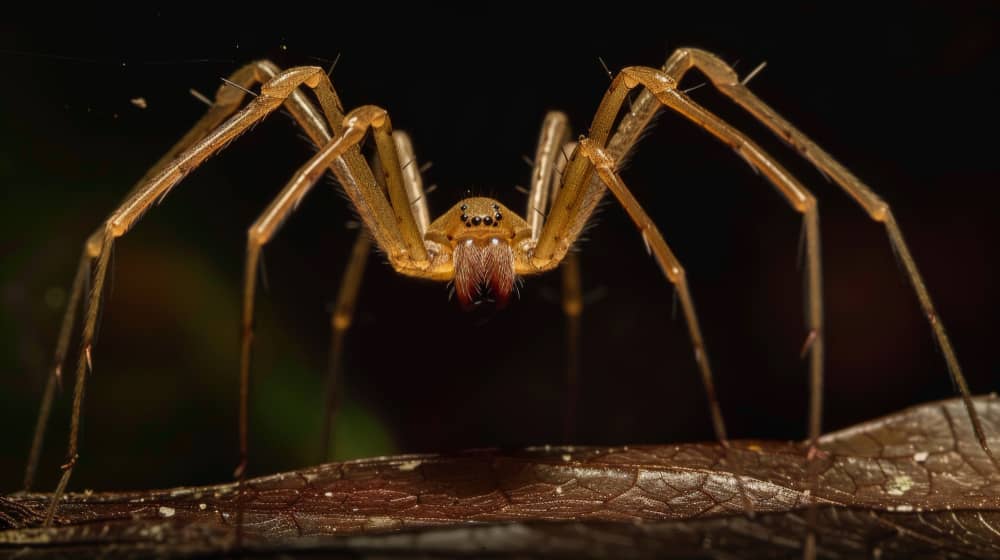
species like the giant house spider become highly visible as they move across floors and walls.
Egg sacs deposited in fall can produce significant new populations in the following year if not
addressed. Fall treatments targeting interior harborage zones, entry points, and basement areas
are critical for keeping spider activity manageable through the indoor season.
Winter: Year-Round Vigilance in Vancouver’s Mild Climate
Unlike most Canadian cities, Vancouver’s mild winters do not provide a reliable freeze period
that naturally reduces spider populations. Spiders that have established themselves indoors
remain active throughout the winter in heated spaces. Winter inspections and treatments can
address persistent indoor populations and ensure that harborage conditions in basements, crawl
spaces, and storage areas are not allowing spider numbers to build ahead of spring.
Building a Year-Round Spider Control Program for Your Vancouver Home
- Spring: Perimeter inspection, entry point sealing, and preventive treatment
- Summer: Perimeter barrier maintenance and mid-season follow-up
- Fall: Interior and perimeter treatment targeting spider movement indoors
- Winter: Inspection and spot treatment for persistent interior activity
Frequently Asked Questions: Seasonal Spider Control in Vancouver
When is spider season in Vancouver?
Spider activity peaks in late summer and fall in Vancouver, but the city’s mild climate means
spiders can be active indoors year-round. A seasonal treatment program provides the most
reliable protection.
How often should I have my Vancouver home treated for spiders?
Most Vancouver homes with recurring spider pressure benefit from two to four treatments per
year timed to seasonal activity cycles. A licensed provider can recommend the appropriate
frequency based on your specific property conditions.
Can Vancouver spiders survive the winter indoors?
Yes. Spiders that establish themselves in heated indoor spaces — particularly basements, crawl
spaces, and utility rooms — can remain active throughout Vancouver’s mild winters and produce
new egg sacs in spring without professional intervention.