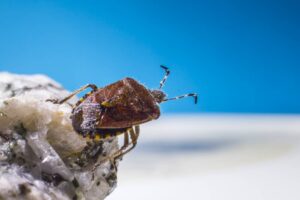

Seasonal pest control in London is essential for managing the variety of pests and rodent activity that change throughout the year. By following Mosquito Man’s month-by-month pest calendar and using proactive treatments, homeowners can stay ahead of insect infestations and seasonal pest challenges in both warmer and colder months.

Freepik
Seasonal Pest Control in London: What to Expect Month by Month
Knowing how pests act during the year helps you manage them better at home. In London, the change in seasons affects which pests show up and when. Different times bring different bugs and critters. So, taking action before they cause trouble really pays off.
January – March: Rodent Activity Peaks
Rats and mice look for warm spots when it’s cold outside. They sneak into attics and basements to find food and shelter. Checking your home regularly helps spot where they get in. Using a mix of pest control methods works best to keep them out.
April – June: Insect Infestations Begin
Spring warms things up, and bugs start moving around more. Ants wake up from sleep, and wasps build nests nearby. You should watch for cracks and holes where insects can enter. Treating early stops small problems from getting big.
July – September: Summer Pests Thrive
Warm weather brings lots of pests like mosquitoes, flies, and cockroaches. They love humid places made by rain or watering plants too much. Getting rid of standing water around your house helps a lot. This keeps pests under control during summer months.
October – December: Preparing for Winter
When autumn comes, many pests look for cozy spots inside again. Rodents that were quiet in summer start moving indoors. This is the time to check your house carefully. Doing treatments now prevents bigger problems when it gets cold.
Pests change with the seasons because of weather and the environment around us. Knowing this helps you manage them well all year long with smart pest control plans made for London’s climate challenges.
London’s Seasonal Pest Guide: Month-by-Month
Knowing about seasonal pest control in London helps you keep pests out. Pests change with the seasons. So, your home needs different pest management plans each time of year. This guide breaks down what pests to watch for every month. It also shows how to fight them before they get worse.
Winter (December – February): Rodent Activity Peaks
Rodents get busy in winter in London. Cold weather makes rats and mice look for warm places inside homes. They build nests in walls, attics, or basements. This causes damage and health problems.
Look for signs like droppings or noises at night. Rodents chew wires and spoil food too.
Seasonal pest control during winter means closing off entry points and using traps. Check your home often to catch infestations early.
Spring (March – May): Insect Infestations Begin
Spring brings insect infestations in London homes. Ants come out looking for food as it gets warmer. Moth larvae hatch in fabrics or pantry items.
Insects breed fast now because the weather suits them. You might see ants, moths, flies, and some spiders early on.
Spring pest control means cleaning well and using treatments to stop bugs before summer hits.
Summer (June – August): Peak Pest Season
Summer is the busiest time for warm-weather pests in London. Wasps act aggressive as their colonies grow. They become very territorial.
You’ll also find flies, mosquitoes, and more ants moving indoors when it’s dry outside.
Pest control month by month shows many people ask for wasp nest removal now. Mosquito prevention is also common because of the heat.
Autumn (September – November): Preparing for Winter Pests
Damp weather brings mold mites and other pests that love moisture inside houses too.
Autumn pest control clears nests and treats damp spots to cut down pest risks before winter comes again.
Seasonal changes mean you need to watch pests all year long. Changing your treatment every season keeps London homes safer from bugs and rodents.
Rats and Mice: Year-Round Threats
Rats and mice cause problems in London all year long. When it gets cold, these rodents look for warm places inside homes and buildings. Rodent activity in winter goes up a lot. You might see gnaw marks on wires or furniture, hear scratching sounds inside walls, or find droppings. Rodent control London experts use mouse traps, rat traps, bait stations, and seal entry points to stop them safely. Catching the problem early helps stop a full mouse infestation London folks hate dealing with.
Here’s what to watch for:
- Gnawing signs on furniture or cables
- Droppings around floors or cupboards
- Scratching sounds behind walls
- Rodent trails near food or water
Ants: Spring and Summer Invaders
Ants wake up in spring after hibernating all winter. This starts the pest breeding season for them. Warm weather makes ant infestations London-wide worse, especially near kitchens and gardens where they find food easily. If you ignore them, ant colonies grow fast. Pest control in spring targets ant nests before summer when ants spread indoors more.
Watch out for:
- Tiny ants marching near food sources
- Small piles of dirt from nest digging
- Ant trails around doors or windows
Cockroaches: A Constant Presence
Cockroach outbreaks can happen anytime but get worse when it’s warmer inside homes. These bugs like damp spots like kitchens or bathrooms where crumbs gather unnoticed. Cockroach infestations bring health risks since they carry bacteria. Fighting cockroaches means cleaning well plus using professional treatments that reach their hiding places.
Signs include:
- Dark spots or eggs in corners
- Strong musty smells
- Cockroach sightings at night
Wasps: Summer Aggravation
Wasps get very aggressive in summer as their colonies grow big. Wasps in summer often act territorial near outdoor eating spots or gardens. This bothers people outside a lot. Wasp nest removal is important because aggressive wasps defend their nests strongly if disturbed. Wasp control London pros say it’s best to deal with nests early before they get too large.
Keep an eye out for:
- Lots of wasps flying near your home
- Visible nests under eaves or bushes
- Wasps chasing away visitors
Bed Bugs: Travel-Related Concerns
Bed bugs are a worry year-round but show up more after holiday times. Travelers sometimes bring these pests home from hotels or public transport without noticing. Bed bug treatment needs special methods because bugs hide deep in mattress seams or furniture cracks where DIY fixes don’t work well alone.
Look for:
- Small itchy bites on skin at night
- Rusty stains on bed sheets
- Tiny dark spots on mattresses
Spiders: Autumnal Increase
Cooler nights push them indoors looking for shelter before winter comes. Most spiders aren’t harmful but some scare people because of their webs across doors and windowsills. Spider prevention means sealing cracks and clearing clutter so they don’t settle inside.
Tips to reduce spiders:
- Seal gaps around windows and doors
- Keep rooms tidy and clutter-free
- Remove webs regularly
Moths: Springtime Damage
Moth larvae hatch mainly in spring and cause trouble by eating natural fibers like wool clothes stored over winter. Clothes moths prevention involves airing out wardrobes often and using traps or repellents made for moth larvae.
Watch for damage like:
- Holes in wool sweaters or blankets
- Silk webbing in clothes storage areas
Pigeons: Urban Annoyance
Pigeons are common nesting birds across urban London areas. They make noise and leave messy droppings on building ledges and roofs, causing sanitation issues. Bird pest control focuses on the nesting birds species that damage property using humane methods that keep pigeons away without hurting them.
Problems pigeons cause include:
- Noise from cooing and flapping wings
- Stains and droppings near homes
- Blocked gutters from nests
Knowing when each pest is most active helps homeowners plan pest control at the right time for London’s climate quirks. That way, unwanted guests stay outside all year round!
Mosquito Man’s Proactive Pest Control Strategies
Winter: Sealing Entry Points and Maintaining Cleanliness
Winter makes rodents look for warm places and food inside your home. You should seal off cracks in walls, gaps under doors, and holes near pipes. These spots let pests slip in easily. Keep your property clean with regular cleaning and hygiene maintenance. This stops crumbs or water from attracting pests. Moisture control helps too because damp spots bring in more pests. Pest exclusion methods like sealing and blocking entry points keep rodents in winter away for good.
Here’s what to do:
- Seal off any cracks and gaps
- Block entry points near pipes and doors
- Keep everything clean with regular cleaning
- Control moisture to stop pest activity
- Maintain property hygiene all winter
Spring: Monitoring for Early Signs of Infestation
Spring means more pests wake up and breed faster. Use pest monitoring tools to spot trouble early. Timely inspection helps catch infestations before they get worse. Watch out for moth larvae hatch or ants in spring inside your home. Catching these signs early can stop bigger problems later on.
Tips to keep in mind:
- Inspect your home regularly in spring
- Use tools to monitor pests closely
- Look for moth larvae hatch signs
- Check for ants in spring early
Summer: Implementing Control Measures and Reducing Food Sources
Summer brings aggressive wasps that can be a real pain. Use effective fast easy-to-use insect sprays or fly killers to get rid of them quickly. Remove hiding spots around your house because wasps like places to hide. Also, don’t leave food out like sugary drinks or trash uncovered—this invites wasps in summer.
Quick steps to follow:
- Spray with fast acting insect sprays or fly killers
- Cut down hiding spots near your home
- Remove uncovered trash and food outdoors
- Watch out for wasps in summer nests
Autumn: Preparing for Winter Rodent Influx
Autumn means pests start looking for indoor shelters before winter hits hard. A pest inspection London trusts can find where rodents enter or where nesting birds build nests close to buildings. Spiders also come indoors more during autumn looking for shelter. Take action early by sealing gaps, clearing debris, and calling professionals if needed to fight pests before winter comes fully.
Things to do this season:
- Schedule a thorough pest inspection London-wide
- Check areas where nesting birds build nests
- Seal up gaps rodents use to enter homes
- Clear yard debris where spiders hide
- Act quickly with proactive combat methods
If you change your approach with the seasons—blocking entry points in winter, watching for early signs in spring, controlling insects during summer, and getting ready for rodents each autumn—you’ll keep pests away all year long without stress or mess.
Identifying Early Signs of Pest Activity
Pests look for warmth and shelter when it gets cold, especially in London. You might see rodents scurrying across floors or walls at night. Buzzing around windows or lights can mean flying insects like flies or mosquitoes are inside. Check for rodent gnawing signs like chewed wires, holes in walls, or damaged food wrappers. Other pest infestation symptoms include droppings, strange smells, nests hidden away, and scratch marks near baseboards.
Rodents often come indoors more in autumn and winter to stay warm. Increased rodent activity means you should act fast. Catching these signs early can stop bigger pest problems later.
Here are some signs to look for:
- Rodents running around at night
- Chewed wires or holes
- Droppings or strange odors
- Buzzing insects near windows
- Scratches near baseboards
DIY Pest Control Methods
Many people try DIY pest control to handle small problems fast. You can use mouse traps or rat traps along walls where rodents pass. Bait stations attract pests but keep poison away from kids and pets.
Ultrasonic repellents send out high-pitched sounds to scare pests off, but results differ a lot. Insect sprays kill flying bugs like flies and mosquitoes quickly. Fly killers work well for bugs inside your home.
Natural pest deterrents like peppermint oil, vinegar sprays, or diatomaceous earth offer safer choices without harsh chemicals. These methods are effective, fast, and easy-to-use for small pest issues before they grow.
Try these:
- Mouse and rat traps on walls
- Bait stations for safe poison use
- Ultrasonic repellents (works sometimes)
- Insect sprays for flying bugs
- Natural solutions like peppermint oil
When to Call Mosquito Man: Recognizing the Need for Professional Help
Sometimes pests need more than DIY methods. Call licensed pest controllers if signs stick around or if pests cause health worries.
Early detection helps pros act fast with the right treatment. Pest control experts know how to handle London’s seasonal pests safely and well.
They do full inspections and use treatments that stop pests long-term—not just quick fixes. If you want safe, reliable help, contact Mosquito Man for expert service year-round in London.
Year-Round Pest-Free Living: Mosquito Man’s Expertise
Living without pests all year in London isn’t easy. Pests change with seasons. Seasonal pest control in London helps handle that. City life brings many problems. Rodents get inside when it’s cold. Insects swarm as it gets warm. Proactive pest control works best here. It uses regular pest inspections to catch problems early. Good pest management strategies stop pests before they get bad. This means watching for signs, acting fast, and keeping your home safe from household pests.
Regular Inspections: The Key to Prevention
Regular inspections help find pests early. Licensed pest controllers visit on a pest monitoring schedule that fits your home. Early detection leads to a quick fix. That stops damage and health issues.
Look out for signs like:
- Droppings
- Gnaw marks
- Nests
- Strange noises
Timely inspection shows these clues fast so treatment can start soon. Keeping up with inspections blocks new pests and keeps old ones away.
Addressing London-Specific Pest Challenges
Managing pests in London takes some skill. The city is crowded, and animals live close to people. Rodent activity London rises when it’s cold because rats and mice want warmth inside homes. Insect infestations London grow in hot weather with more food and moisture around.
Wildlife pest control is also needed here. Animals like pigeons or squirrels can break things or spread disease if ignored. Urban pest problems need special know-how about local creatures and ways to fight them without hurting the environment much.
Staying Ahead of Seasonal Pest Changes
Pests act differently through the year—this is called pest seasonality. Knowing this helps you stay ahead.
Here’s what happens each season:
- Spring: Ants come out; wasps build nests.
- Summer: Mosquitoes breed fast; flies show up more.
- Autumn: Rodents look for shelter inside.
- Winter: Cockroaches hide indoors; rodents stay active inside too.
A seasonal surge means you must change plans as pests shift their habits. Using a seasonal pests guide helps you spot what to expect all year long. This way, you take action early, not after problems start.
Mixing expert advice, regular inspections, and plans for London’s urban issues lets homeowners keep homes free from pests every day of the year without surprises or setbacks.
What are the best pest prevention tips for homes?
Seal entry points, keep a clean home, manage food waste properly, control moisture, and inspect regularly to prevent infestations.
Frequently Asked Questions: FAQs About Seasonal Pest Control in London: What to Expect Month by Month
How can I manage garden pests in London effectively?
Remove standing water, trim plants regularly, use natural pest deterrents, and maintain drainage to reduce breeding spots outdoors.
What signs indicate an unwelcome pest infestation indoors?
Look for droppings, nests, scratching noises, damaged food packaging, and insect sightings near windows or dark corners.
Why do rodents increase activity during cold weather in London?
Cold weather pushes rodents indoors as they seek warmth and shelter to build nests and find food.
What proactive pest control techniques work best in urban London?
Use integrated pest management with regular inspections, sealing entry points, moisture control, and targeted treatments by licensed controllers.
How does seasonal pest behaviour affect home pest management?
Pests appear or hide based on weather; adjusting control plans each season prevents widespread infestation and damage.
What role do nesting birds play in urban pest problems?
Nesting birds create messes and attract other pests. Bird proofing and humane removal help reduce risks near buildings.
When should I call professional pest control services in London?
Call experts if infestations persist despite DIY efforts or if pests pose health risks like disease transmission or allergies.
Essential Pest Control Strategies for London Homes
- Block entry points around doors, windows, pipes to keep pests out
- Maintain drainage to prevent damp conditions that attract insects
- Use pest monitoring tools for early detection of pest activity
- Follow a regular cleaning routine to remove food sources and crumbs
- Apply natural pest deterrents like peppermint oil for safe prevention
- Schedule periodic pest risk assessments for effective home protection
- Control moisture inside homes to reduce habitat for cockroaches and silverfish
- Remove clutter to reduce hiding spots for spiders and rodents
- Use bait stations carefully away from children and pets for rodent control
Understanding Pest Lifecycle Patterns in London
Pests breed faster when warm weather rises. Spring and summer cause a seasonal surge. Rodents may hibernate but emerge seeking warmth in winter months. Monitoring breeding cycles helps plan timely treatments. Awareness of life stages prevents infestations before they multiply.
Managing Household Pest Risks Year-Round
Keep high-risk areas like kitchens and basements clean. Store food securely to avoid attracting cockroaches and ants. Regular vacuuming controls carpet beetle damage. Inspect wardrobes seasonally for clothes moth larvae damage. Maintain hygiene standards throughout your property.
Handling Urban Wildlife Pest Challenges
Squirrels nesting in lofts or bats roosting can cause structural damage. Humane removal respects animal welfare laws while protecting your home. Bird proofing stops pigeons from roosting on ledges that block gutters or cause stains.
Key Steps for Effective Seasonal Pest Management
Spring: Monitor early insect infestations with traps and inspections.
Summer: Reduce standing water to curb mosquito breeding.
Autumn: Seal gaps rodents use as temperatures drop.
Winter: Maintain cleanliness to avoid cockroach outbreaks indoors.
Why Is Integrated Pest Management Important?
It combines monitoring, exclusion methods, chemical treatments only when needed, and environmental controls. This approach reduces chemical use while maximizing effectiveness against pests all year.
What Are Common Pest Infestation Symptoms at Home?
Unusual droppings near food stores or baseboards, holes chewed in furniture or cables, strange odors from insect colonies, damaged fabrics from moths or carpet beetles.
How Does Central Heating Affect Indoor Pests?
Heating keeps homes warm year-round enabling pests like cockroaches and mice to thrive indoors even during winter months when outside conditions are harsh.
How Can Food Waste Management Help Pest Control?
Properly double bag rubbish and dispose promptly to avoid attracting flies, rodents, and wasps that scavenge near waste piles.
What Are Effective Natural Pest Deterrents?
Peppermint oil sprays repel ants and spiders; vinegar cleans surfaces reducing attractants; diatomaceous earth kills insects by damaging exoskeletons without chemicals.
Why Is Regular Pest Inspection Crucial for Pest-Proofing Homes?
Inspections catch early signs of nesting or entry points before infestations spread widely requiring costly repairs or intensive treatments.
What Should Be Included in a Home Pest Management Plan?
Scheduled monitoring visits by professionals, maintenance of hygiene standards, sealing vulnerable areas yearly aligned with local climate impacts on seasonal pest trends.
How Do Moisture Control Measures Reduce Pest Problems?
Fix leaks promptly; improve ventilation; use dehumidifiers where needed—all help deter cockroaches, silverfish, woodlice that thrive in damp conditions inside buildings.
What Makes Wasps’ Territorial Behaviour a Concern During Summer Months?
Large nests grow aggressively defending territory which increases risk of stings around outdoor eating areas; early nest removal is essential for safety.
How Can I Prevent Carpet Beetle Damage at Home?
Vacuum carpets regularly; store natural fiber clothing sealed during off-seasons; use moth repellents targeted against larvae that feed on wool or silk fibers.
How Does Proactive Combat Differ From Reactive Pest Control?
Proactive combat means preventing infestations through continuous monitoring and maintenance rather than waiting until pests multiply causing extensive issues needing urgent intervention.