
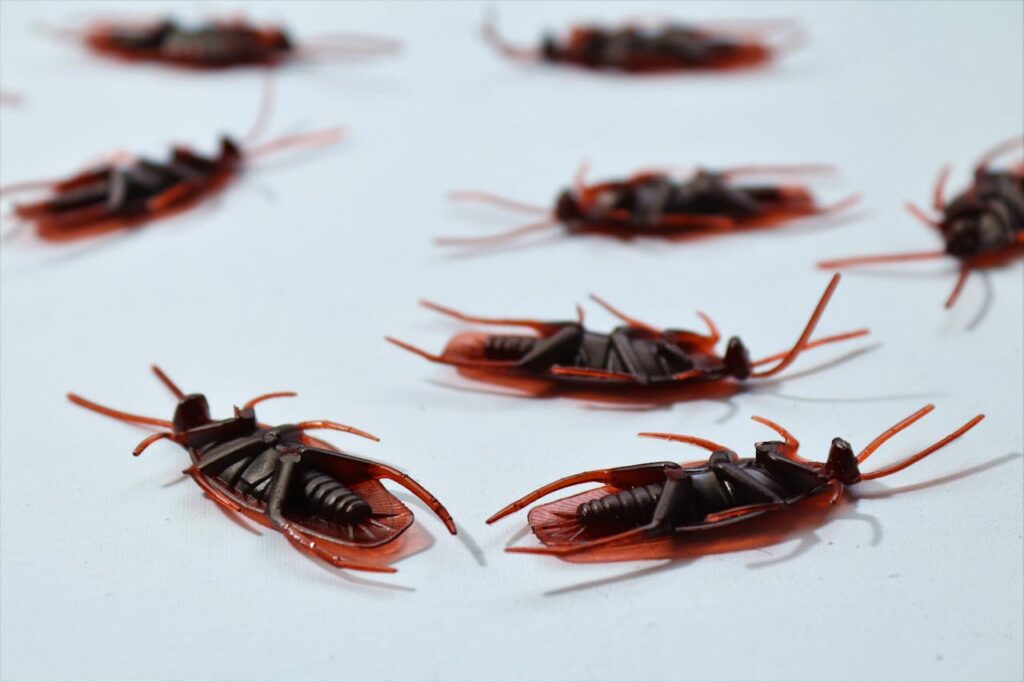
Pest control in Milton varies greatly depending on how a property is built, occupied, and maintained. Single-family homes, townhomes, rental units, and commercial buildings each face distinct pest pressures influenced by structure, usage patterns, and surrounding environments. Understanding these differences is essential for choosing pest control strategies that are effective, practical, and sustainable over the long term.

Pexels
Why Property Type Plays a Major Role in Pest Control
Pests adapt quickly to their surroundings, using building layouts, human activity, and environmental conditions to their advantage. The way a property is designed and used directly influences how pests enter, where they nest, and how quickly infestations spread.
In Milton, many properties are located near conservation lands, green corridors, and developing residential zones. These factors increase pest movement across both residential and commercial areas. When pest control strategies fail to account for property type, infestations often return despite repeated treatments.
Residential Pest Control in Milton
Residential pest control focuses on protecting living spaces while maintaining comfort and safety for occupants. Treatments are designed to be precise, minimally disruptive, and focused on long-term prevention.
Many Milton homes include basements, crawl spaces, storage rooms, and attached garages. These areas provide warmth, shelter, and limited human activity—ideal conditions for pests once they gain access. Small structural gaps around foundations, siding, windows, and utility lines are common entry points.
Residential pest control typically emphasizes:
- Identifying and sealing pest entry points
- Locating nesting areas inside walls or insulation
- Applying targeted treatments in high-risk zones
- Providing preventive recommendations to reduce future risk
Because pests often remain hidden, residential infestations can grow quietly before visible signs appear. Professional pest control helps uncover and resolve these issues early.
Pest Control for Rental Properties and Townhomes
Rental properties and townhomes in Milton face higher pest risk due to shared walls, shared utilities, and increased occupant turnover. These conditions allow pests to move easily between units if infestations are not addressed comprehensively.
In these environments, treating a single unit without addressing neighboring spaces or common areas often leads to reinfestation. Pest control strategies must consider how pests travel through wall cavities, plumbing lines, and shared infrastructure.
Effective pest control for rentals and townhomes requires:
- Coordinated inspections across affected units
- Attention to shared access points and common areas
- Clear communication with occupants and property managers
- Ongoing monitoring rather than one-time treatments
Without coordination, pest issues can persist even after multiple treatments.
Commercial Pest Control in Milton
Commercial properties face different pest challenges than residential homes. Offices, retail spaces, and mixed-use buildings experience higher exposure due to foot traffic, deliveries, waste handling, and frequent door openings.
Pests in commercial environments are often drawn to storage areas, break rooms, loading zones, and waste disposal areas. Because activity levels are high, infestations can spread quickly if early signs are missed.
Commercial pest control focuses on prevention, consistency, and early detection. Typical strategies include:
- Routine inspections and monitoring schedules
- Preventive treatments in high-risk areas
- Rapid response to early pest activity
- Consistent follow-up to track pest trends
For businesses, proactive pest control reduces disruptions and helps maintain a clean, controlled environment.
Multi-Unit and Mixed-Use Buildings
Multi-unit and mixed-use buildings present some of the most complex pest control challenges in Milton. These properties often combine residential and commercial spaces with shared infrastructure throughout the building.
Pests can move freely between units using wall cavities, plumbing systems, ventilation pathways, and utility lines. If treatments are not coordinated across the entire structure, pests simply relocate and reappear elsewhere.
Effective pest control in these buildings requires:
- Building-wide inspections
- Coordinated treatment schedules
- Attention to shared spaces such as hallways and storage rooms
- Ongoing monitoring across all units
This unified approach is essential for long-term control.
How Occupancy Patterns Influence Pest Activity
The way a property is used plays a major role in pest behavior. Residential homes often have predictable routines, while commercial spaces experience constant movement throughout the day.
Frequent door openings, deliveries, and waste removal increase entry opportunities for pests in commercial properties. Residential homes, by contrast, are more likely to develop long-term nesting issues once pests gain access.
Understanding these patterns allows pest control strategies to be adjusted for maximum effectiveness.
Why One-Size-Fits-All Pest Control Fails
Using the same pest control approach for every property ignores how pests actually behave. Residential, rental, and commercial environments each require different balances of treatment intensity, monitoring, and prevention.
Generic treatments may offer temporary relief but rarely deliver lasting results. Tailored pest control strategies provide more reliable and sustainable protection.
Choosing the Right Pest Control Approach in Milton
Selecting the right pest control approach begins with understanding how the property is used and what risks are most relevant. Experience with similar property types, clear communication, and preventive planning are key indicators of effective service.
When pest control strategies are customized, properties experience fewer infestations, less disruption, and better long-term outcomes.
Frequently Asked Questions: Pest Control in Milton
Can one pest control plan work for homes and businesses?
No. Different environments require different strategies to be effective.
Are multi-unit buildings harder to protect?
Yes. Shared infrastructure increases the risk of pest movement between units.
Is preventive pest control important for commercial properties?
Yes. Prevention reduces disruptions and supports consistent operations.
Unsure which pest control approach fits your property? Pest control in Milton is most effective when solutions are tailored to how the space is built and used.