

Pest control in Kingston varies significantly depending on whether the property is residential or commercial. Homes focus on comfort and safety, while businesses require structured prevention, monitoring, and consistency. Understanding these differences helps property owners choose pest control strategies that are effective, appropriate, and sustainable.
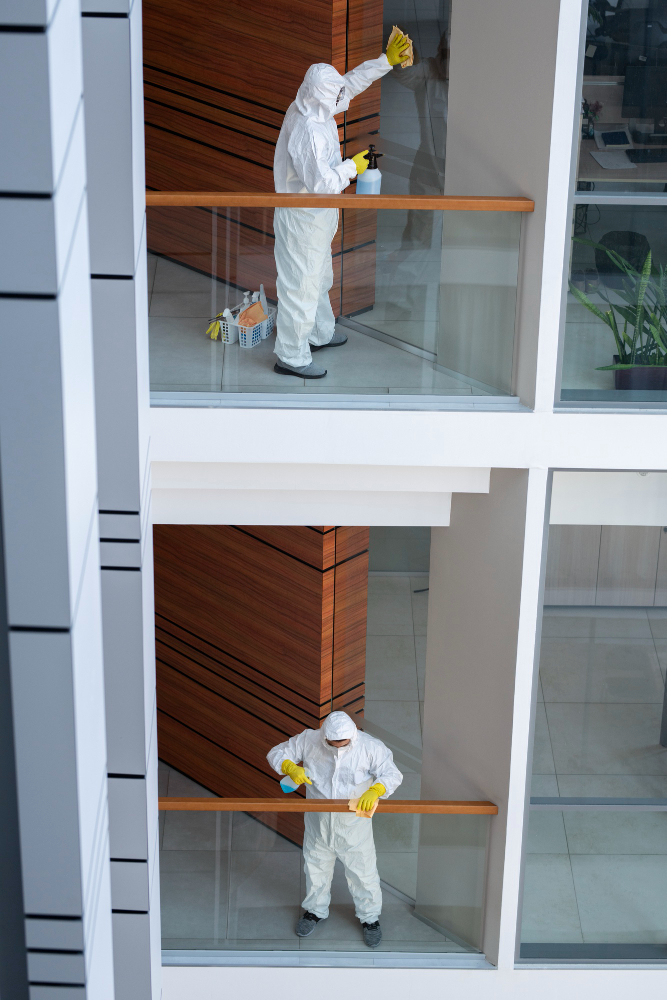
Freepik
How Pest Control Needs Differ by Property Type
Residential and commercial properties face different pest pressures due to how spaces are used, how many people occupy them, and how frequently doors and access points are opened. Effective pest control must account for these differences to prevent recurring issues.
Residential Pest Control in Kingston
Residential pest control focuses on protecting living spaces and maintaining a safe, comfortable environment for occupants. Treatments are designed to be targeted and minimally disruptive while addressing nesting areas and access points.
Homes in Kingston often include basements, storage rooms, and attached garages that provide shelter for pests. Residential pest control plans emphasize prevention, safety, and long-term results.
Commercial Pest Control in Kingston
Commercial properties such as offices, retail spaces, and mixed-use buildings face higher exposure risks due to frequent foot traffic, deliveries, and shared access points.
Commercial pest control prioritizes:
- Routine inspections and monitoring
- Preventive planning to reduce risk
- Consistent treatment schedules
- Early detection of pest activity
Because pests can affect operations and reputation, proactive pest control is essential in commercial environments.
Why One-Size-Fits-All Pest Control Doesn’t Work
Using the same pest control approach for all properties often leads to poor results. Residential properties require a different balance of safety and effectiveness than commercial spaces.
Professional pest control adapts strategies based on layout, usage patterns, and exposure risks to deliver better outcomes.
Shared Challenges in Multi-Use Properties
Mixed-use buildings and properties with both residential and commercial spaces present additional challenges. Pests can move between units through shared walls, utilities, and common areas.
Coordinated pest control strategies are essential to prevent infestations from spreading and recurring.
Choosing the Right Pest Control Approach in Kingston
Property owners should select pest control services based on their specific needs rather than a generic solution. Experience with the property type, clear communication, and preventive planning are key indicators of effective service.
Frequently Asked Questions: Pest Control in Kingston
Can one pest control plan work for both homes and businesses?
Not usually. Strategies should be tailored to the property type.
Are commercial properties at higher risk?
Yes. Increased activity and shared access points raise exposure.
Unsure which approach fits your property? Pest control in Kingston is most effective when strategies are customized to how the space is used.
How Occupancy Patterns Influence Pest Activity
The way a property is used has a major impact on pest behavior. Residential homes tend to have predictable routines, while commercial spaces experience constant movement throughout the day. Frequent door openings, deliveries, and waste handling increase opportunities for pests to enter commercial buildings. In Kingston, properties located near busy streets or waterfront areas often experience higher pest pressure due to increased exposure and environmental factors.
In residential settings, pests are more likely to establish long-term nesting areas inside walls, basements, and storage rooms. Commercial environments, on the other hand, may see more transient pest activity that still requires consistent monitoring to prevent infestations from becoming established.
The Role of Ongoing Monitoring in Commercial Pest Control
Commercial pest control in Kingston relies heavily on routine monitoring rather than reactive treatments. Regular inspections allow early detection of pest activity before it becomes visible to occupants or customers. Monitoring also helps identify seasonal trends, recurring access points, and changes in pest behavior based on usage patterns within the building.
Without ongoing monitoring, small pest issues can escalate quickly in commercial environments due to constant activity and shared access points. Preventive oversight reduces the risk of disruptions and helps maintain consistent control across all areas of the property.
Why Communication Matters in Multi-Tenant Properties
Effective pest control in multi-tenant buildings depends on clear communication between property managers, occupants, and service providers. Coordinated scheduling, shared preparation guidelines, and consistent follow-up help ensure treatments are effective and reduce reinfestation.
In Kingston properties with multiple tenants, lack of communication often leads to uneven results. When all parties understand their role in pest prevention, long-term control becomes significantly more reliable.