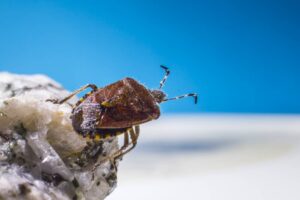

Pest control in Muskoka requires a deep understanding of the region’s environmental exposure. Dense forests, freshwater lakes, seasonal temperature shifts, and extended cottage vacancy all contribute to increased pest pressure. Unlike urban areas where development limits natural habitats, Muskoka properties sit directly within ecosystems that support rodents and insects year-round. Waterfront humidity and wooded surroundings create ideal nesting conditions, making infestations more common than many property owners expect.
Pexels
Forest Proximity Increases Year-Round Pest Pressure
Muskoka is defined by dense forest and natural landscapes. While these surroundings enhance privacy and beauty, they also sustain stable rodent and insect populations.
Rodents rely on wooded areas for food and shelter. When seasonal temperatures drop, they migrate toward nearby structures in search of warmth. Even well-built cottages can contain small structural gaps that allow entry.
Because homes are often built close to tree lines, pest access routes remain short and direct.
Waterfront Humidity and Insect Survival
Lakefront properties experience elevated humidity, especially during spring and summer. Moisture supports insect reproduction and increases survival rates.
Damp soil near foundations, shaded decks, and crawl spaces provide ideal environments for ants and other insects. Shoreline vegetation often sits close to exterior walls, creating natural pathways toward the structure.
Unlike inland suburban areas, lake proximity sustains insect activity throughout warm seasons.
Seasonal Migration Patterns
Muskoka’s distinct seasonal climate plays a significant role in pest behavior.
Fall and Early Winter: Rodents actively seek indoor nesting sites as outdoor food sources decline.
Spring and Summer: Warmer temperatures increase insect colony expansion, particularly around moist foundations and under decks.
Because Muskoka properties are surrounded by natural habitats, seasonal migration pressure is often stronger than in developed cities.
Extended Cottage Vacancy
Many Muskoka cottages remain vacant for extended periods. During off-season months, pests can enter and establish nests without disturbance.
Rodents may build nests in insulation, attics, or storage areas. Insects may colonize damp basements or crawl spaces.
Without regular monitoring, infestations may grow significantly before owners return.
Wood Construction and Structural Expansion
Many cottages feature wood siding, deck structures, and exposed framing. Seasonal temperature fluctuations cause materials to expand and contract.
Over time, this movement can create small cracks around windows, siding joints, and foundation intersections.
Even minor gaps provide entry opportunities for pests.
Decks, Docks, and Under-Structure Shelter
Expansive decks and shoreline docks are common features in Muskoka. These structures create shaded, protected areas beneath them.
Such areas often remain undisturbed, providing ideal nesting conditions for insects and rodents before they migrate indoors.
Routine inspection of these exterior features is essential.
Outbuildings and Detached Garages
Boathouses, sheds, and detached garages frequently serve as initial nesting sites. If infestations establish in secondary structures, migration into the main residence becomes more likely.
Because these buildings are sometimes inspected less frequently, pest activity may remain unnoticed.
Why Infestations Spread Quickly
Once pests enter a Muskoka property, they typically nest in hidden spaces such as crawl spaces, wall cavities, or attic insulation.
Seasonal cottages often lack daily activity that would otherwise disturb nesting. This allows populations to grow rapidly.
By the time visible signs appear, infestations may require more comprehensive treatment.
Why DIY Treatments Often Fail
DIY solutions typically focus on visible pests rather than structural vulnerabilities. In Muskoka’s high-exposure environment, environmental pressure remains constant.
Without sealing entry points and addressing moisture conditions, infestations are likely to return.
Reducing Infestation Risk in Muskoka
Effective pest control strategies must account for forest proximity, lake humidity, and seasonal vacancy.
- Inspect foundations and siding for expansion gaps
- Seal utility penetrations and roofline intersections
- Improve crawl space ventilation
- Clear vegetation away from exterior walls
- Monitor properties before and after seasonal closure
Proactive reinforcement significantly reduces infestation severity.
Long-Term Protection for Waterfront and Forest Homes
Muskoka properties face consistent environmental pest pressure due to their natural surroundings. Routine inspection and preventive reinforcement protect structural integrity and reduce emergency interventions.
Properties that combine monitoring with targeted treatment experience fewer recurring issues.
Frequently Asked Questions: Pest Control in Muskoka
Are forest properties more prone to rodents?
Yes. Nearby wooded areas support stable rodent populations.
Does lake proximity increase insect activity?
Elevated humidity supports insect reproduction.
Do vacant cottages face higher infestation risk?
Extended vacancy allows pests to nest undisturbed.
Concerned about pest activity in your Muskoka property? Understanding environmental risk factors is the first step toward long-term protection.