Pest control in Kingston is shaped by the city’s climate, housing styles, and proximity to water and green spaces. Many infestations begin quietly and worsen over time because underlying conditions are never addressed. Professional pest control focuses on understanding why pests enter Kingston properties, how they spread indoors, and what steps are needed to eliminate infestations while reducing the risk of recurrence.
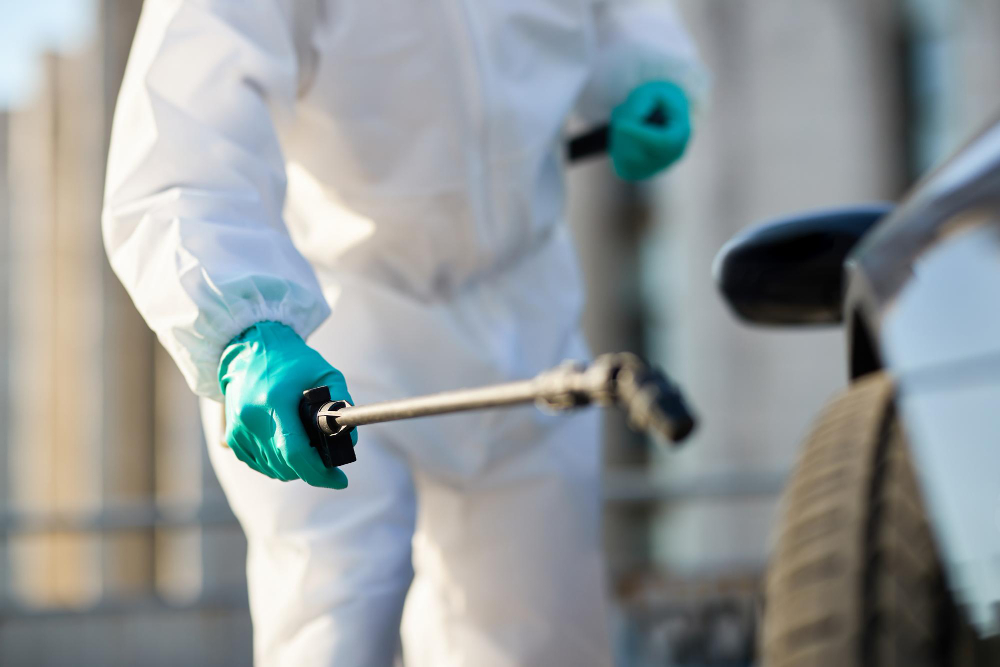
Freepik
Why Pest Problems Are Common in Kingston Homes
Kingston’s mix of historic neighborhoods, waterfront areas, student housing, and multi-unit buildings creates a wide range of pest pressures. Homes and buildings near water sources often experience higher moisture levels, which attract insects, while older properties may have aging foundations and structural gaps that allow pests easy entry.
Many Kingston homes feature basements, crawl spaces, utility rooms, and attached garages. These areas provide warmth, shelter, and low human activity—conditions pests actively seek once they enter a structure.
Seasonal temperature changes also influence pest behavior. As temperatures drop, pests move indoors to survive. Once inside, they often remain active for extended periods, nesting in walls, insulation, and storage areas.
Most Common Pests Affecting Kingston Properties
Professional pest control services in Kingston frequently address the following pests:
- Rodents: Mice and rats enter through small gaps, damage wiring and insulation, and contaminate food and surfaces
- Cockroaches: Hide in kitchens, bathrooms, and plumbing systems where warmth and moisture are present
- Ants: Establish colonies near foundations, beneath floors, and inside wall voids
- Bed bugs: Spread through rental housing, student residences, and shared furniture
- Wasps: Build nests near roofs, decks, sheds, and exterior walls during warmer months
Each of these pests behaves differently, which is why effective pest control requires accurate identification and tailored treatment.
How Infestations Spread Inside Kingston Buildings
Once pests enter a building, they rarely stay confined to one area. Wall cavities, plumbing lines, ventilation systems, and shared utility spaces allow pests to move between rooms and floors without being seen.
In multi-unit buildings such as apartments and townhomes, pests can spread from one unit to another through shared walls and common areas. Treating only a single space often leads to reinfestation if the broader structure is not considered.
This hidden movement is one of the main reasons infestations appear to “return” after incomplete treatments.
Why DIY Pest Control Often Falls Short
DIY pest control products are typically designed to address visible activity. While they may reduce the number of pests seen, they rarely eliminate nests, colonies, or access points.
In Kingston homes with older construction or shared infrastructure, pests often retreat deeper into the structure when disturbed, only to reappear later. This can give homeowners a false sense of progress while the infestation continues to grow.
How Professional Pest Control Solves the Problem
Professional pest control in Kingston begins with inspection rather than immediate treatment. Technicians identify the pest species, locate nesting and breeding areas, and determine how pests are entering and moving through the property.
Treatments are then applied strategically, targeting high-risk zones instead of using widespread spraying. This improves effectiveness while minimizing disruption to occupants.
Professionals also provide preventive recommendations, such as sealing entry points or adjusting conditions that attract pests, to reduce the likelihood of future infestations.
The Importance of Addressing the Root Cause
Successful pest control does not stop at removing pests—it addresses the conditions that allowed them to thrive. In Kingston, this often means dealing with moisture issues, structural gaps, and shared access points.
By focusing on root causes, professional pest control delivers longer-lasting results and reduces the need for repeated treatments.
Frequently Asked Questions: Pest Control in Kingston
Why do pests keep coming back after treatment?
Reinfestation usually means access points or nesting areas were not fully addressed.
Are infestations more common in older Kingston homes?
Yes. Aging construction and original materials can create more entry points.
Is professional pest control necessary for shared buildings?
Yes. Coordinated treatment is essential to prevent pests from spreading between units.
Dealing with ongoing pest issues? Pest control in Kingston is most effective when infestations are treated at the source, not just on the surface.