Best Pest Control Companies In Barrie
Choosing the best pest control companies in Barrie requires understanding local pest pressures, property types, and seasonal risks. Barrie’s colder

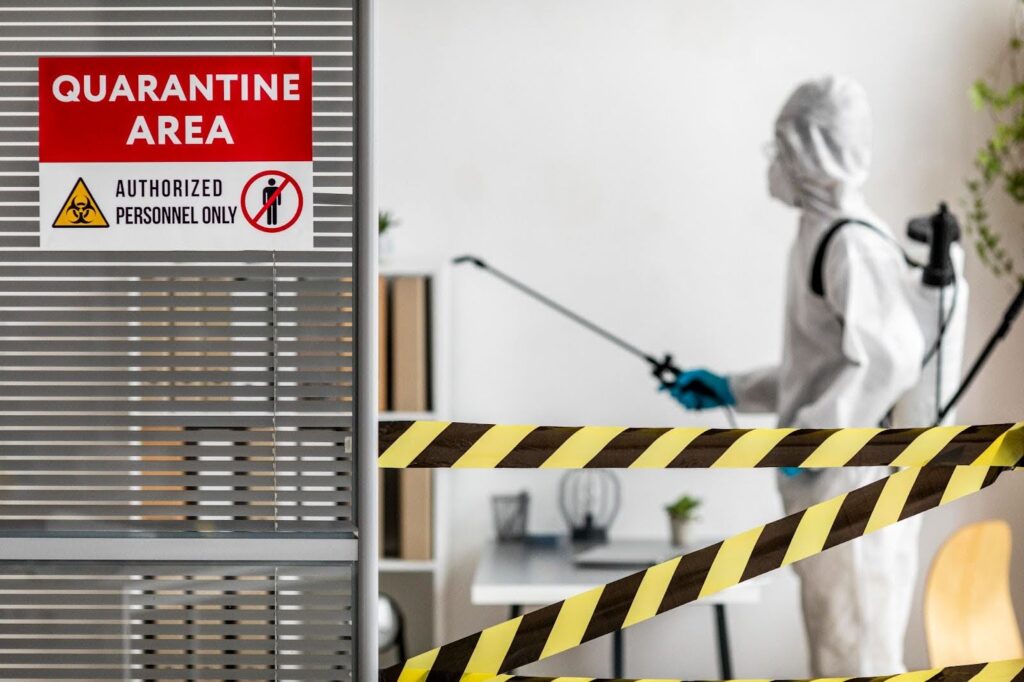
Negatives of pest control in Mississauga include health risks from chemical exposure and environmental impact, which Mosquito Man emphasizes while recommending Peel-approved pest control companies to minimize harm. Using pesticides improperly can lead to temporary pest resurgence and increased infestations, highlighting the need for licensed professionals and strict adherence to enforcement bulletins.
Freepik
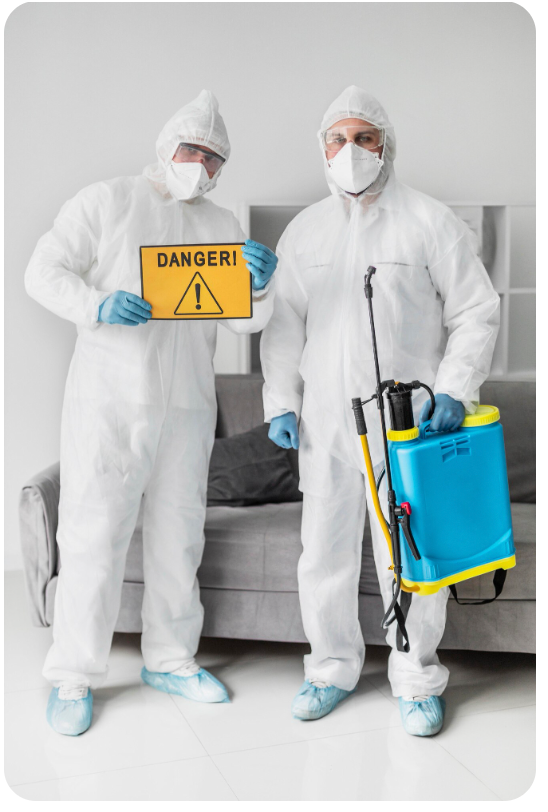
Pest control can get rid of bugs and rodents fast. But, it also has health risks you should know about. People living in Mississauga need to understand these risks before using pest treatments.
Pest treatments often use chemicals. These chemicals can cause problems if people breathe them in or touch them. Many pesticides have toxic ingredients that might hurt you. Some common effects are:
Knowing these side effects helps folks pick safer ways to deal with pests.
Risks to Children and Pets from Pest Treatments
Homeowners should pick services that keep both kids and pets safe when treating for pests.
Pesticides don’t just affect bugs; they can change the environment around us too. The effects can be serious for nature.
Chemicals from pesticides sometimes get into soil and water by accident:
This shows why thinking about eco-friendly options is a good idea for pest problems.
Harm to Local Wildlife and Beneficial Insects
This means usual pest control might upset the natural balance instead of fixing it.
Because cities like Mississauga grow, this can harm nature nearby over time!
So, while pest control helps stop infestations quickly, it also brings health risks and harms the environment bit by bit. Homeowners should think about these problems carefully before choosing treatment—especially since some pros offer safer choices that protect both people and nature.
Many folks expect pests to disappear right after treatment. But sometimes, pests come back for a bit—that’s called temporary pest resurgence. Treatments can scare pests, so they run off and then gather again somewhere else.
This quick return can make things worse. Pests may spread and grow faster, causing infestation escalation that’s harder to stop later.
Also, pests change over time. They get used to the chemicals you use. This leads to pest population evolution and creates resistant pests that survive normal pesticides.
Knowing this helps homeowners see why quick fixes don’t last long. Professionals know how to handle these problems for good results.
Trying pest control on your own or doing it wrong can backfire big time:
These mistakes often make infestations worse instead of better. Professionals know how to apply treatments safely and avoid risks like contamination.
Development of Pesticide Resistance Among Pests
One big problem with wrong pesticide use is that pests become tough against chemicals:
Because of this, normal pesticides stop working well. Experts watch for resistance and change their methods to keep control.
Bad pest control costs more money in the long run because:
Ignoring pests or trying cheap fixes looks easy but ends up costing more later.
Spending on pros who show clear prices saves money over time. They do proper inspections, use safer options, and reduce the need for many follow-ups—all protecting your home better.
If you want safe help handling these issues in Mississauga, trust experts who use eco-friendly ways made for local problems. Book your inspection soon!
Pest control often uses chemicals that can be harmful. These chemicals might cause skin irritation or breathing problems in people and pets. Some pesticides are very dangerous because they stay in the environment for a long time. They can hurt helpful insects like bees and pollute soil and water.
Using too many chemicals or the wrong way can make pests stronger against pesticides. This makes it harder to control them later. Chemicals can also wash into nearby areas, damaging plants and animals.
More people in Mississauga now choose eco-friendly pest control solutions. These use non-toxic pest control options that keep pests away but don’t hurt people or nature. Sustainable pest control tries to stop problems before they start by using safer products. These break down fast and leave no bad residue.
Hiring licensed pros who use eco-friendly methods helps keep your home safe. This way, you protect your family’s health and the environment at the same time.
Humane pest control tries not to hurt animals unnecessarily. It uses biological pest control methods that add natural predators or parasites to fight pests. These helpers target only certain pests without hurting other wildlife.
Natural pest repellents use plants or physical barriers to keep bugs or rodents away safely. These methods fit well with caring about animals and the environment.
By using humane pest management, homeowners help keep ecosystems balanced while protecting their homes from pests.
Mississauga follows local pest control laws to protect health and nature. The Peel Region puts out enforcement bulletins with rules for pesticide use nearby.
Health Canada controls pesticides under the Pest Control Products Act (PCPA). This law decides which pesticides can be sold or used after safety checks. It also tells how to label, store, handle, throw away, and report misuse of pesticides.
The Agriculture and Agri-Food Administrative Monetary Penalties program gives fines if anyone breaks pesticide rules in places like Mississauga.
Following Health Canada’s PCPA keeps pesticide use safe at home. Licensed workers must stick to rules about how much pesticide to use and when. They also have to wear protective gear and warn neighbors if needed before spraying.
Consumers should learn about safe products on Health Canada’s website. Reporting wrong pesticide use helps keep communities safe in places like Mississauga.
Choosing certified experts who follow all laws lowers risks from chemicals while helping sustainable pest control locally.
Ready to protect your home safely? Contact us today for expert advice on eco-friendly pest solutions tailored for Mississauga families!
Hiring licensed pest control professionals in Mississauga keeps your home safe and pest-free. Pest control licensing requirements make sure only trained experts handle chemicals and tricky infestations. When you hire certified professional pest exterminators, you get people with pest control certification who know how to treat pests safely and follow local rules.
Peel-approved licensed companies meet local safety and quality standards. These companies use methods designed to protect your family, pets, and the environment during pest eradication. That means fewer risks for you while getting rid of pests.
Here’s why hiring a certified Peel-approved company makes sense:
These perks help cut down on chemical risks or accidents while making sure pests go away fast.
How Licensed Experts Minimize Health and Environmental Risks
Licensed experts keep risks low by following safety guidelines at every step. They wear protective gear, use exact pesticide amounts, and treat only the needed areas. Responsible pesticide use means picking products approved by agencies that balance effectiveness with care for nature.
They also teach homeowners what to do after treatment, like airing out rooms or keeping kids away from treated spots for a bit. This careful method stops problems like too much chemical exposure or harm to helpful insects nearby.
If you want safer choices, Mississauga offers many eco-friendly pest control solutions. Non-toxic pest control options focus on keeping things sustainable while still working well. Integrated Pest Management (IPM) mixes checking for pests, changing habitats, using natural controls, and limiting chemicals to manage pests smartly.
Eco-conscious ways aim for long-term prevention using natural barriers, better cleaning habits, and targeted treatments—not wide-use pesticides that can hurt nature around your home.
Here are some ways to cut down on chemicals:
These options lower harm to the environment but still protect homes in Mississauga from common pests.
Mosquito Man’s Approach to Minimizing Negative Impacts
Mosquito Man sticks to eco-conscious ideas by offering green pest solutions made for local needs. Their plan cuts down chemical use through integrated management suited to each property. Using tech and green products together, Mosquito Man helps keep families safe and nature intact around Mississauga homes.
Pest control safety matters a lot for your family, pets, and home. Treatments use chemicals that can be harmful if handled wrong. You need to follow treatment precautions to keep everyone safe and get rid of pests well. Safe pest eradication methods try to use fewer chemicals and pick eco-friendly choices when possible.
Before the pest control folks come, homeowners should take some steps:
These homeowner pest safety practices help stop accidents during treatment. Getting ready right also helps the pros do a better job.
Post-Treatment Precautions to Protect Family and Pets
After treatment, follow these post-treatment safety measures:
Doing this keeps your family and pets safe and avoids leftover pesticide problems.
You have a role in risk assessment after pest control. Check for signs like strong smells lasting too long or health problems in family members. That might mean pesticides were used wrong.
Look out for nasty side effects like headaches, feeling dizzy, skin rashes, nausea, or trouble breathing after a treatment. These show health risks or that something went wrong. Also, if pests come back fast even after service, that means the treatment didn’t work well.
How to Report Concerns to Local Authorities or Health Canada
If you think pesticides were used unsafe or see bad side effects:
Knowing about consumer pesticide awareness helps people keep their homes safe and make sure providers act responsibly.
When you prepare before treatments and follow clear rules afterward, pest control works better without risking your family’s health. Always pick licensed pros who stick to safety rules and pick green options when they can.
Pest control can bring up worries about downsides. Many folks fear health risks like allergic reactions or chemical exposure. Some pesticides have toxic parts that cause hazards if used wrong. Pets and kids are more at risk from these chemicals.
Trying to fix pests yourself often makes things worse. Pests can become resistant or spread more if you misuse pesticides. Wrong use also risks contaminating soil and water near your home.
Knowing these dangers helps you pick safer ways to handle pests around Mississauga.
People often think all chemical pest treatments are unsafe or don’t work well. That’s not always true. Licensed experts use precise methods that cut down extra chemical exposure and get rid of pests effectively.
Pesticide side effects change depending on the product. Older pesticides tend to be more toxic than newer, eco-friendly ones. Toxic pesticide effects drop if you follow the label rules carefully and only use approved stuff.
Pests can develop pesticide resistance when they survive treatments. This usually happens when pesticides aren’t used right, not with pro applications designed to stop resistance.
Picking trusted pros means you get good results without risking your family’s or environment’s safety.
Practical Tips for Reducing Exposure and Environmental Harm
Doing this cuts health risks and keeps the environment safe from pesticide damage.
Hiring licensed pest control experts helps lower health risks linked to pesticides. Certified pros know how to apply treatments safely while fighting rats, bed bugs, ants, or other common pests in Mississauga homes.
Professional exterminators share clear info about prices, treatment plans, guarantees, and customer reviews. This helps you find a reliable company easily. Good reviews show quality work done with care for people’s safety.
Licensed specialists stay current on pesticide laws too. This cuts chances of soil or water contamination near your place.
If rats or other pests won’t quit bothering you in Mississauga neighborhoods, trust experienced providers who focus on both safe methods and effective results.
Frequently Asked Questions: FAQs About Negatives of pest control in Mississauga
What are the main pest control disadvantages in Mississauga?
Pest control disadvantages include chemical exposure, ecological impact of insecticides, pesticide resistance development, and risks to humans and pets. Proper licensing reduces these downsides.
Why does pest control have an unfortunate reputation among homeowners?
Many associate pest control with toxicity concerns and environmental harm. Misuse of pesticides causes health risks and residue buildup, creating distrust.
How do toxic chemicals in pest control affect the environment?
Toxic chemicals can contaminate soil and water, destroy habitats, and harm wildlife. This destroys environment balance and affects beneficial insects.
What makes pesticide resistance development a challenge in pest management?
When pests survive treatments, they pass resistant traits on. This forces use of stronger chemicals or smarter pesticide strategies like targeted spraying.
Are there safer alternatives to traditional insecticides for pest control?
Yes, non-toxic pest control options, insecticide alternatives like biological methods, and integrated pest management reduce chemical use and environmental damage.
How do pest control licensing requirements protect public health?
Licensing ensures technicians follow health and safety pest guidelines. They use approved products with proper application methods to minimize risks.
What are some home pest prevention strategies to avoid frequent treatments?
Sealing entry points, maintaining cleanliness, removing food sources, and using natural repellents help prevent infestations effectively.
How does sustainable agriculture practices relate to urban pest control concerns?
Sustainable agriculture uses crop protection methods that limit pesticide use. Similar eco-friendly principles apply to reduce pesticide residues in cities.
What role do local pest control laws play in minimizing contamination risk?
Local regulations enforce safe pesticide application and storage. They aim to reduce chemical residues near homes and protect water quality.
Negatives of pest control in Mississauga – Key Insights
Choosing the best pest control companies in Barrie requires understanding local pest pressures, property types, and seasonal risks. Barrie’s colder

Preventive pest control in Windsor focuses on stopping infestations before pests ever enter the home. Instead of reacting to visible