Millipedes Control Solutions: Expert Pest Management and Removal
Our Unique Approach To Millipedes Control
We take a unique approach to millipede control. We arrive to your property and do a perimter spray around the yard, gardens, patios and/or anywhere else that we may find millipedes located. Every time you cut your grass or trim your trees, the product we applied disappears. Also, extended periods of rainfall lower the efficacy of the product. Therefore, treating your yard once a year is enough to significantly reduce the millipede population in your yard. Learn more about our approach.
1. INITIAL INSPECTION
A trained specialist will perform an inspection to examine the size of your yard and the density of your foliage through seeing your property on google earth. This step will help us set a final price!
Upon arrival, your technician will also look for signs of millipedes or mosquitoes and identify potential breeding grounds.
2. EXTERIOR TREATMENT
Your technician will then safely treat your entire yard with a millipedes treatment, targeting trees, bushes, shrubs, and other heavily wooded areas. We’ll then return between Spring and Fall to inspect and treat your yard once again.
SAVE ON OUR MOSQUITO CONTROL PACKAGE

Why Choose Mosquitoman
Value
After your pest inspection, we’ll provide you with a quote that makes sense for your budget and unique needs.
Service
We’re not happy unless you are. So if you’re not satisfied with your most recent service, we’ll make it right.
Trust
We know you are putting a lot of trust in our hands. So we promise to treat you and your home with respect.
Why Choose Mosquitoman
Our Mosquito & Pest Control Services

Yard Protection
From
$450
$
BEST VALUE!
SAVE 20%
Read more
Your Package Includes:
- A Free Larviciding for standing water
- A Free Assessment of the property
- Licensed Technicians
- World Class Customer Service
- A Schedule to service time that is quick and efficient
- Our Super Hero Guarantee — if you’re not satisfied we come back!
Home Protection
From
$300
$
BEST VALUE!
SAVE 20%
Read more
Your Package Includes:
- A Free Larviciding for standing water
- A Free Assessment of the exterior of the home
- Licensed Technicians
- World Class Customer Service
- A Schedule to service time that is quick and efficient
- Our Super Hero Guarantee — if you’re not satisfied we come back!

Full Protection (Yard + Home)
From
$600
$
BEST VALUE!
SAVE 20%
Read more
Your Package Includes:
- Free Larviciding for standing water
- A Free Assessment of the yard and exterior of the home
- Licensed Technicians
- World Class Customer Service
- A Schedule to service time that is quick and efficient
- Our Super Hero Guarantee — if you’re not satisfied we come back!
Frequently Asked Questions
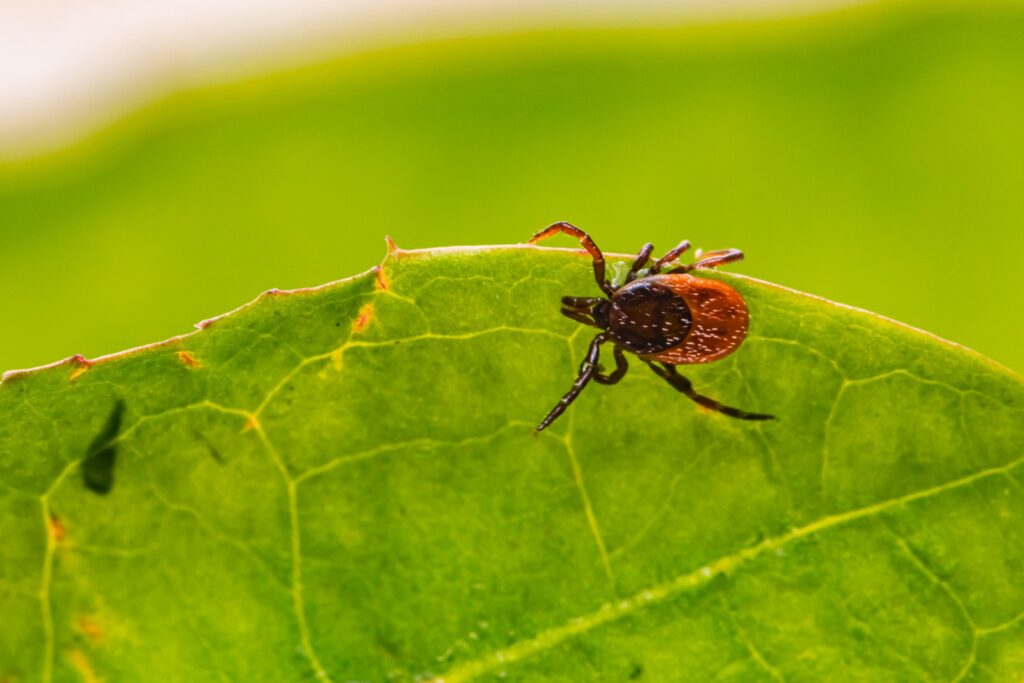
They can be! Millipedes are known as one of the most dangerous pests and for a good reason. Some species transmit insect-borne diseases like Lyme Disease. But you don’t need to worry; our millipedes control service targets these blood-suckers, so they don’t target you. To schedule your first service, please call us today!
Our millipedes control service lasts 3-4 weeks on average. Of course, this depends on how often it rains and which treatment option you choose: our synthetic option lasts much longer than the eco-friendly alternative. So we recommend scheduling your treatments every 21 days during the warmer months to protect your family from millipedes.

Client Feedback
Millipede Damage: Identifying and Mitigating the Risks
Do millipedes cause significant harm to my garden?
Millipedes are arthropods in the class Diplopoda, commonly found in gardens, lawns, and soil. They mostly feed on decaying organic matter and rarely cause major millipede damage to healthy plants, vegetables, or flowers.
However, during population outbreaks, millipedes may feed on young roots, leaves, and tender parts of plants, causing minor damage. This millipede damage usually does not kill established plants but can weaken seedlings and sensitive species.
Knowing this helps gardeners understand when millipedes are harmless decomposers and when they become pests requiring control. If you notice a sudden infestation or increased millipede problems, monitor the damage carefully to protect your garden.
Can millipedes damage indoor plants?
Millipedes sometimes appear in indoor spaces, especially in house plants with moist soil rich in organic material. Inside, millipedes usually feed on decomposing matter in the soil and do little harm.
Still, heavy infestations can cause millipede damage by chewing on roots or soft plant parts. This damage may show up as wilting, yellow leaves, or poor growth.
If you find millipedes in your home, act quickly to reduce moisture, check potting soil, and remove excess debris. For ongoing millipede problems, there are effective millipede treatment options to protect your indoor plants.
How can I recognize millipede damage on my property?
Early recognition of millipede damage helps manage pests effectively. Common signs include:
- Chewed or damaged roots of vegetables, flowers, and other plants.
- Wilting or yellowing leaves caused by root injury.
- Groups of millipedes in moist soil, mulch, or under stones and plant debris.
- Small bite marks on stems or leaves.
- Clusters of dead millipedes after feeding.
Millipede damage tends to be near the soil surface or on underground plant parts. Millipedes can be distinguished from similar pests like centipedes and sowbugs. Millipedes have cylindrical bodies with two pairs of legs per segment, while centipedes have flattened bodies with one pair of legs per segment.
Recognizing these features allows timely control and helps prevent severe millipede problems.
What preventative strategies can reduce the risk of millipede related damage?
Preventing millipede infestations is the best way to avoid damage. Try these approaches:
- Reduce moisture: Fix leaks, improve drainage, and avoid overwatering.
- Remove debris: Clear leaf litter, mulch, and organic waste where millipedes hide.
- Set barriers: Use granules, sprays, or dusts around garden beds and foundations to deter millipedes.
- Encourage predators: Support birds and beneficial insects that eat millipedes.
- Seal entry points: Close cracks and gaps in walls and foundations to block indoor entry.
- Rotate crops: Practice crop rotation and plant variety in vegetable gardens.
- Use organic controls: Apply neem oil or diatomaceous earth as safe treatments.
Combining natural and chemical controls in a balanced pest prevention plan helps maintain long-term millipedes control.
When should I seek professional assistance for millipede damage?
Home care often manages millipede problems well. Professional help is needed when:
- Infestations are large and cause notable damage indoors or outdoors.
- DIY treatments do not lower millipede numbers.
- You want a full pest inspection and expert pest management advice.
- Family and pet safety is a concern during chemical use.
- You prefer advice on safe and effective millipede extermination methods.
Pest control experts identify the species, assess damage, and provide tailored millipede removal solutions. They use approved methods that balance safety and effectiveness, ensuring thorough millipedes control.
For trusted support in millipede treatment and prevention, contacting professionals like Mosquito Man offers peace of mind for your garden and home.
Have you dealt with millipede damage in your garden or home? Share your experience and tips below! For more pest control information, check out our complete guide to pest prevention to keep your property protected all year.
Sources:
- University of California Agriculture and Natural Resources. “Millipedes and Centipedes.” Link
- Ontario Ministry of Agriculture, Food and Rural Affairs. “Garden Pest Management.” Link
- Health Canada. “Safe Pest Control Practices.” Link
Natural Solutions for Millipede Management
What natural predators help control millipede populations?
Natural predators are important in the biological control of millipedes. These arthropods and insects help reduce millipede populations by feeding on them. This supports pest management and keeps the ecosystem balanced. Some common natural predators of millipedes include:
- Ground beetles (Carabidae family)
- Centipedes
- Spiders
- Certain types of ants
- Birds like thrushes and starlings
Encouraging these predators in your garden or yard helps with natural millipede control without using chemical insecticides. Keeping leaf litter and mulch supports these beneficial predators and offers a sustainable way to reduce and manage millipedes.
How effective are homemade sprays in repelling millipedes?
Homemade sprays can be an easy and natural solution for controlling millipedes. They are a good alternative to chemical treatments. Common ingredients include vinegar, essential oils like peppermint or neem, and water. These ingredients create natural repellent sprays.
The effectiveness depends on how strong the spray is and how often it is used:
- Vinegar sprays create a barrier that irritates millipedes and keeps them away.
- Essential oils work as natural insecticides and disrupt millipedes’ senses.
- Applying sprays regularly near entry points and damp areas improves protection.
While homemade sprays may not be as strong as commercial insecticides, they offer an organic and eco-friendly option for millipedes removal and treatment. Regular use can help lower infestations while reducing chemical exposure in homes and gardens.
Can beneficial nematodes assist in controlling millipede infestations?
Beneficial nematodes are tiny soil organisms that act as a natural biological control for soil pests, including millipedes. These nematodes enter millipedes and release bacteria that kill them, reducing infestations naturally.
Using nematodes for millipede control has many benefits:
- They are safe for humans, pets, and plants because they target specific pests.
- They are an environment-friendly alternative to chemical insecticides.
- They work well in moist soil where millipedes live.
For the best results, apply nematodes according to product instructions and keep the soil moist to help nematodes survive. This natural method supports a pest management plan focused on reducing millipedes in a safe way.
Are there plants that naturally deter millipedes?
Some plants can naturally keep millipedes away. Adding these plants to your garden or yard offers a simple way to prevent millipede problems. Plants known to repel millipedes include:
- Marigolds (Tagetes spp.)
- Lavender (Lavandula spp.)
- Garlic (Allium sativum)
- Rosemary (Rosmarinus officinalis)
- Thyme (Thymus vulgaris)
These plants give off strong scents or have substances that millipedes dislike. Planting them near foundations, garden beds, or other vulnerable spots can reduce millipede presence and protect your outdoor space.
What organic methods are safe for millipede control around pets and children?
When controlling millipedes in areas with pets and children, safety is very important. Organic methods provide effective and safe options that avoid harmful chemicals:
- Diatomaceous earth: A natural powder that damages millipedes’ exoskeletons, causing dehydration and death without toxic chemicals.
- Sticky barriers: Physical traps placed around plants or entry points to catch millipedes.
- Removing debris and moist organic matter regularly: Removes places where millipedes live without chemicals.
- Homemade repellents with essential oils: Safe if diluted correctly and applied outside living spaces.
These environment-friendly methods help control millipedes while keeping your home safe. If infestations continue, consulting a pest control expert experienced in organic treatments is a good choice.
Do you have questions about natural millipede control or want to share your tips? Leave a comment below to join the conversation and help build a community focused on safe and effective pest management. For more detailed advice, explore our guides on biological control and organic pest solutions.
Creating a Millipede-Resistant Landscape
What landscaping practices discourage millipedes from infesting my yard?
Controlling millipedes starts with landscaping practices that make your yard less attractive to them. Millipedes prefer moist environments with plenty of organic debris, so managing these elements helps prevent infestations.
To reduce millipede populations in your yard or garden, try these landscaping tips:
- Reduce moisture: Millipedes need damp soil to survive. Avoid overwatering and repair any leaks in irrigation systems.
- Remove debris: Clear away leaves, grass clippings, and other organic matter that millipedes use for shelter and food.
- Limit mulch thickness: Thick mulch holds moisture and provides habitat for millipedes. Use a thin layer and choose mulches like cedar or cypress that are less attractive to arthropods.
- Plant resistant varieties: Select plants that tolerate dry conditions to lower humidity and discourage millipede populations.
- Improve soil health: Aerate compacted soil to enhance drainage, reducing places where millipedes can breed.
- Create barriers: Use edging and borders to separate planting beds from lawns, making it harder for millipedes to move around.
These landscaping practices help manage millipede populations by changing their habitat and reducing conditions that lead to outbreaks.
How does proper drainage impact millipede populations?
Proper drainage is important for controlling millipedes in your yard and garden. Millipedes need moist conditions because they breathe through their skin and must stay humid. Poor drainage creates damp soil, ideal for millipede breeding and infestation.
Good drainage supports millipedes prevention by:
- Lowering soil moisture: Soil that drains well dries quickly, limiting millipedes’ preferred environment.
- Stopping standing water: Removing puddles near foundations or garden beds cuts off breeding sites.
- Improving habitat: Dry, aerated soil blocks millipedes from moving and reproducing, reducing their numbers.
Landscaping methods like grading your yard away from buildings, installing French drains or swales, and using permeable surfaces improve water control. These steps reduce millipede infestations and create a yard environment less welcoming to pests.
Can specific mulching techniques minimize millipede presence?
Mulching affects millipede control depending on how it is done. Millipedes feed on decaying mulch material, so poor mulching can increase their population.
To reduce millipedes with mulching techniques:
- Apply thin layers: Keep mulch between 2 and 3 inches thick to let the soil dry out underneath.
- Use dry mulch: Spread mulch when it is dry and avoid piling it against foundations or tree trunks.
- Choose mulch types carefully: Cedar and cypress mulch contain natural oils that repel some insects and arthropods.
- Turn mulch regularly: Stirring mulch helps reduce moisture and breaks up millipede habitats.
- Remove old mulch: Clear away decomposed plant material that can harbor millipedes.
Using these mulching methods along with other pest prevention steps creates a barrier that limits millipede habitat and moisture without relying heavily on insecticides.
What are the best ways to manage compost and debris to deter millipedes?
Millipedes are attracted to moist organic materials like compost and yard debris, which give them food and shelter. Managing these areas properly helps control and remove millipedes.
Try these tips for compost and debris management:
- Keep compost dry: Avoid overwatering and turn compost often to increase airflow and reduce dampness.
- Place compost wisely: Situate compost bins away from your home and busy yard areas to limit millipede movement indoors.
- Clean debris quickly: Remove fallen leaves, grass clippings, and decaying wood regularly to cut down breeding spots.
- Keep distance from structures: Store compost and debris several feet from foundations to prevent millipedes entering your home.
- Use sealed bins: Compost containers with tight lids block millipedes and other pests from getting in.
Reducing millipede habitat in your yard helps lower their population and supports long-term pest prevention.
How can I use rocks and borders to prevent millipedes from entering my home?
Physical barriers like rocks and borders are effective methods for millipede house control. They help stop millipedes from moving from your yard inside.
Use these strategies with rocks and borders for pest prevention:
- Create rock borders: Place a band of coarse, dry rocks several inches wide around your home’s foundation. This discourages millipedes from approaching.
- Add edging materials: Metal or plastic edging along flower beds and walkways prevents millipedes from crossing into certain areas.
- Seal entry points: Close cracks in foundations, doors, and windows to block millipede access.
- Keep barriers dry: Remove leaves, mulch, or soil buildup near rock borders to avoid moisture accumulation that attracts millipedes.
- Arrange landscaping thoughtfully: Keep plants and mulch away from rock borders to maintain dryness and reduce continuous habitat.
These millipede control actions help protect your home, lower infestation chances, and support overall pest management by limiting millipede movement near your property.
—Do you have questions about managing millipedes in your yard or home? Share your experience or contact us for advice on effective pest prevention and control strategies for millipedes. At Mosquito Man, we offer reliable, science-based solutions for a pest-free environment.
Sources:
- University of Florida IFAS Extension: Millipede Management
- Ontario Ministry of Agriculture, Food and Rural Affairs: Millipedes and Their Control
- National Pesticide Information Center: Pest Management for Arthropods
Professional Millipede Control: What to Expect
What are the benefits of hiring a professional pest control service for millipedes?
Hiring a professional pest control service for millipedes offers many benefits that lead to effective and lasting results. Expert pest control for millipedes uses special knowledge, tools, and treatments designed specifically for millipede pest control and extermination of millipedes. Professionals provide:
- Effective millipedes control: Proven methods and insecticides that target millipedes directly.
- Complete millipedes removal and treatment: Addressing visible infestations and hidden millipede populations.
- Expert pest management: Plans focused on eradication, suppression, and reducing millipede presence.
- Ongoing protection: Advice and steps to prevent millipedes from returning.
- Safety and support: Guidance on using chemical or organic solutions safely around your family and pets.
Working with a professional exterminator means getting expert help and reliable support, which lowers the chance of millipedes coming back through well-informed pest control measures.
What inspection processes do pest control experts use?
Pest control millipede experts follow a careful inspection process to check millipede infestations and recommend the best pest management for millipedes. The usual steps include:
- Initial survey and assessment: Looking for signs like millipede sightings, shed skins, or damage.
- Detecting population size and outbreak level: Understanding how large and serious the millipede problem is.
- Finding entry points and habitats: Identifying cracks, damp spots, mulch beds, or debris where millipedes live.
- Checking environmental conditions: Measuring moisture and organic matter levels that help millipedes grow.
- Planning control strategies: Choosing the best methods such as targeted chemicals or other control options.
A thorough inspection helps experts create millipedes control plans that manage and reduce millipede numbers effectively.
How can I prepare my home for professional millipede services?
Preparing your home before professional millipede control can make the treatment more effective and speed up millipedes removal. Follow these simple steps:
- Seal and tighten entry points: Close gaps around doors, windows, pipes, and foundations to stop millipedes from entering.
- Clean and clear debris: Remove leaves, mulch, and other organic materials near your house that attract millipedes.
- Reduce moisture: Dry out damp areas in basements, crawl spaces, and gardens since millipedes prefer wet places.
- Strengthen property barriers: Use landscaping to make your home less inviting to millipedes.
- Follow advice from your pest control millipedes expert: They may suggest moving pets temporarily or covering food during treatment.
Proper home preparation protects your property and helps professional millipede treatments work better.
What long-term maintenance programs are available to prevent future infestations?
Long-term millipedes prevention involves maintenance plans that reduce the chance of future infestations. Effective pest management millipedes programs include:
- Regular monitoring and inspection: Checking often for early signs of millipede activity.
- Scheduled treatments: Applying safe insecticides or organic solutions repeatedly to keep protective barriers.
- Environmental care: Keeping your property dry and clean to discourage millipedes.
- Homeowner guidance: Offering advice on how to prevent millipedes through upkeep and care.
- Custom management plans: Approaches based on how serious the infestation is and specific property needs.
These programs focus on suppression, reduction, and lowering risks to provide lasting protection and successful millipedes pest control.
Are professional treatments safe for my family and pets?
Professional pest control millipedes treatments are designed to be safe for your family, pets, and the environment. Experts use both chemical and organic millipedes solutions with careful application to limit exposure risks. Important points include:
- Certified insecticides: Only approved products safe for use in homes are used.
- Pet and child-safe options: Many treatments use low-toxicity or natural ingredients that pose little risk.
- Controlled application: Professionals target only affected areas to reduce environmental impact.
- Clear safety instructions: Technicians explain when it’s safe to re-enter treated areas and what precautions to take.
Choosing a trusted pest control service keeps your family and pets safe while controlling millipedes effectively. Ask about safety steps and credentials before treatment for added confidence.
Have questions about professional millipede control? Leave a comment below or contact the Mosquito Man pest control team for expert advice. Your feedback helps us deliver the best pest management solutions.
Millipede Biology and Behavior: Insights for Effective Control
What are the typical breeding habits of millipedes in Canada?
Millipedes reproduce mainly in moist environments with plenty of organic matter, which supports their lifecycle. In Canada, millipede breeding usually happens during warmer and wetter months when the soil is damp. Female millipedes lay eggs in moist soil or under decaying debris to protect and nourish their young. When conditions are right, millipede populations can grow quickly, causing outbreaks that affect gardens and homes.
Knowing how millipedes reproduce helps in controlling them better. Since many millipede species prefer soil rich in decomposing plant material, reducing these habitats limits their breeding grounds. Millipedes often live in dark, damp places that help sustain their population. Regularly removing excess mulch, compost, and debris from your yard reduces suitable habitat and lowers millipede breeding success.
How do seasonal changes influence millipede activity?
Seasonal changes greatly affect millipede behavior and activity. Millipedes are most active in spring and fall when temperatures are mild and moisture levels are high. During hot, dry summers or cold winters, their activity drops as they move deeper into the soil or organic matter to avoid harsh conditions.
These seasonal shifts impact the chance of millipede infestations. Increased moisture from spring rains or autumn dew creates ideal conditions for millipedes to come out from hiding and search for food or breeding sites. As a result, controlling millipedes means preparing for these seasonal activity peaks and taking action before populations grow large.
Climate factors like temperature and humidity influence the millipede lifecycle and population growth. Watching weather patterns can help predict when millipedes will be active, allowing timely control to prevent infestations.
What role does moisture play in millipede survival?
Moisture is vital for millipede survival because they depend on damp conditions to keep their bodies functioning and avoid drying out. Millipedes absorb water through their skin and breathe through openings called spiracles, which need humid air to work well. Dry environments threaten millipede survival, making moist soil and decaying debris essential for their habitat.
Keeping areas around homes and gardens dry can lower millipede survival rates. Improving drainage, reducing mulch thickness, and removing standing water take away the moisture millipedes need to live.
Since moisture also affects millipede breeding and population size, managing dampness in the environment is a key step in millipede control. This breaks their lifecycle and helps stop large infestations.
How far do millipedes typically travel from their breeding grounds?
Millipedes usually move only a short distance from their breeding spots, often just a few meters each day. Their movement is slow and local, driven by the search for food, moisture, and shelter. However, if their habitat becomes crowded or disturbed, millipedes may travel farther, sometimes entering homes and yards in large numbers.
Knowing how millipedes move helps apply control methods more effectively. Because they rarely travel far, treating areas near known habitats like mulch beds, leaf litter, and garden edges can manage populations before they spread widely.
Blocking entry points such as cracks in foundations or outdoor openings can also reduce millipede movement indoors and improve control efforts.
What specific environments are most attractive to millipedes?
Millipedes prefer environments that offer moisture, darkness, and plenty of organic material. Common places where millipedes thrive include:
- Soil rich in decaying leaves and plant matter
- Mulch beds and compost piles
- Damp spots under rocks, logs, and garden waste
- Shady lawns and garden edges that stay moist
- Areas with poor drainage or standing water
These locations provide shelter, breeding sites, and food for millipedes. Cleaning up by removing extra mulch, clearing debris, and fixing drainage reduces the attractiveness of these habitats.
In gardens and yards, controlling moisture and reducing clutter create less inviting conditions for millipedes, helping to prevent infestations. Recognizing these preferred environments is important for successful millipede control and managing their populations over time.
Have you seen millipedes in your garden or home recently? Share your experiences or questions below. Our experts at Mosquito Man are ready to offer advice based on the latest pest management studies.
Sources:
- Canadian Journal of Arthropod Management Studies
- University of British Columbia Integrated Pest Management Resources
- Entomological Society of Canada Publications
For more details on controlling millipedes and other pests in your area, visit our Comprehensive Pest Control Guide.
What are millipedes, and why do they cause problems in homes and gardens?
Millipedes are small creatures from the class Diplopoda that feed on dead plants and organic matter. While they are mostly harmless, large groups can damage plants and create a deficit in the natural balance of gardens.
How can I tell millipedes apart from other bugs or pests?
Millipedes have long, cylindrical bodies with two pairs of legs on each body segment. They move slowly and curl into a spiral when disturbed. These features help distinguish them from other common insects like centipedes.
Where do millipedes live, and how does this affect pest management?
Millipedes prefer damp, dark places with lots of organic material, such as mulch or leaf litter. Knowing their habitat helps with millipede control by reducing moisture and removing decaying matter where they hide.
What are some effective millipedes elimination methods without using harsh chemicals?
You can improve drainage, seal entry points, and use borax-based baits or introduce natural predators. These approaches remove millipedes safely while keeping the environment healthy.
Which pest management techniques help prevent millipedes problems from coming back?
Good practices include clearing debris, watering less in affected areas, and setting up barriers. Regular checks combined with these steps help keep millipedes under control over time.
Is borax safe to use for millipede control around my home?
Borax works to control millipedes by affecting their digestion. It should be used carefully outside living spaces and follow label instructions to keep people and pets safe.
How does a deficit of natural predators lead to more millipedes?
When animals like birds, frogs, and certain insects decrease, millipedes can multiply unchecked. Supporting these natural predators helps keep millipede numbers balanced.
When should I consider professional millipede pest management?
If there is a severe millipedes problem causing damage or discomfort, professional pest control experts can provide thorough assessment and treatment for effective and safe removal.
Millipedes Control – Key Insights
- Effective milliped control and millipede pest management combine simple practices with the use of targeted insecticide to handle infestations indoors and outdoors.
- Our millipede controls focus on changing the habitat by reducing moisture and organic debris, which helps manage millipedes in the garden and prevents millipedes in my home.
- When millipedes invade damp areas, they can become a serious millipedes problem. Quick millipedes elimination is important to avoid damage and discomfort in homes.
- Our millipedes solutions mix removing millipedes by hand with safe use of insecticide for effective millipedes extermination.
- Fixing the deficit of natural predators and restoring environmental balance improves long-term results in millipedes controls and reduces repeated infestations.
- Knowing how to identify millipedes and understanding their life stages allows better milliped pest management by targeting them at weak points.
- Regular checking and cleaning create barriers against millipedes in the garden and help stop the millipedes problem before it grows.
- We use tested insecticide formulas that are both safe and effective to help with millipedes elimination while keeping the environment safe.
- Combining cleaning, blocking entry points, and selective insecticide use forms a strong plan for milliped control and complete millipede solutions.
- Preventing millipedes in my home is easier with early action: sealing entrances and fixing moisture deficits reduce places where millipedes can live indoors.