


 900+ Reviews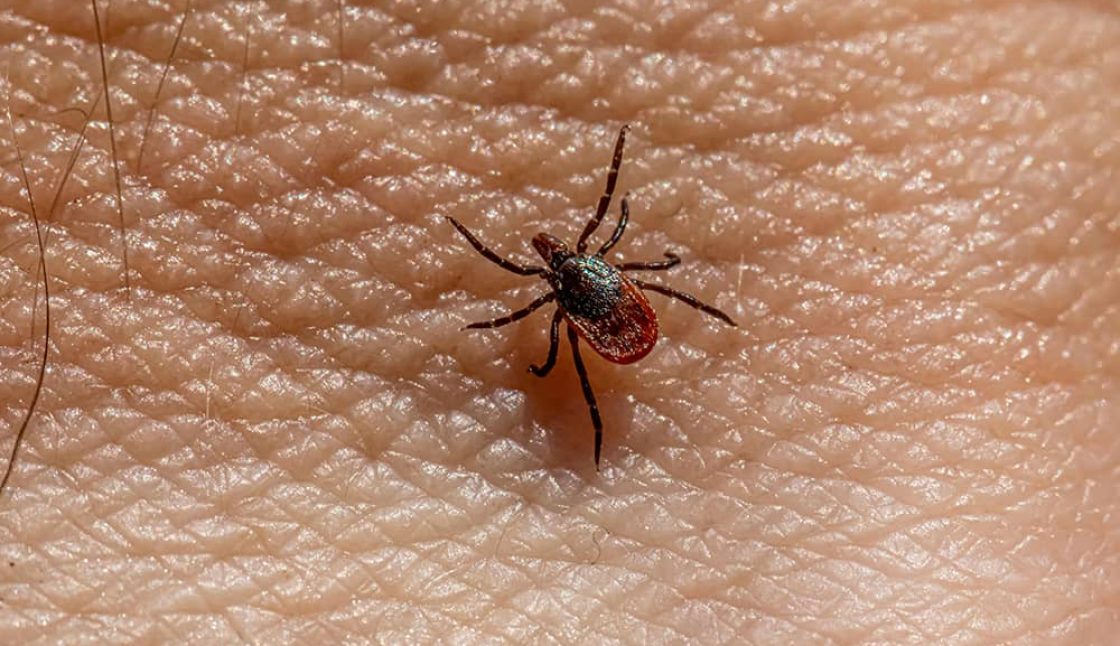
Lyme disease prevention and tick control in Windsor are inseparable concerns for residents across Windsor-Essex County. Public Health Ontario confirms that all of Windsor and Essex County is endemic for blacklegged ticks — the only tick species in Ontario that transmits Lyme disease. The Windsor-Essex County Health Unit (WECHU) has made Lyme disease prevention a major public health focus, conducting active tick surveillance twice per year and encouraging the Windsor-Essex County Board of Health to champion prevention strategies at every level of local government. For Windsor families, proactive property-level tick control is one of the most practical and directly impactful tools available for protecting household health.
Freepik
The Tick Species Behind Lyme Disease in Windsor
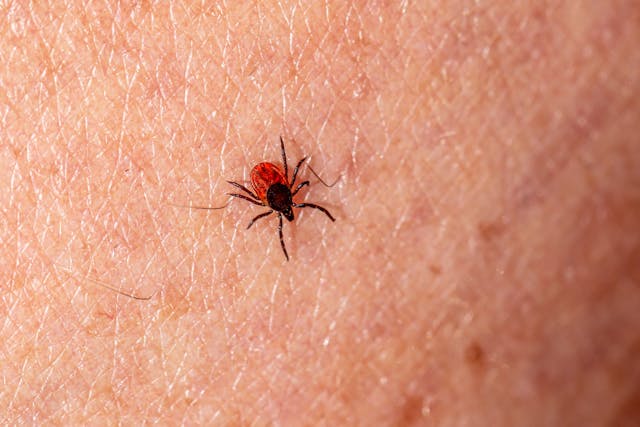
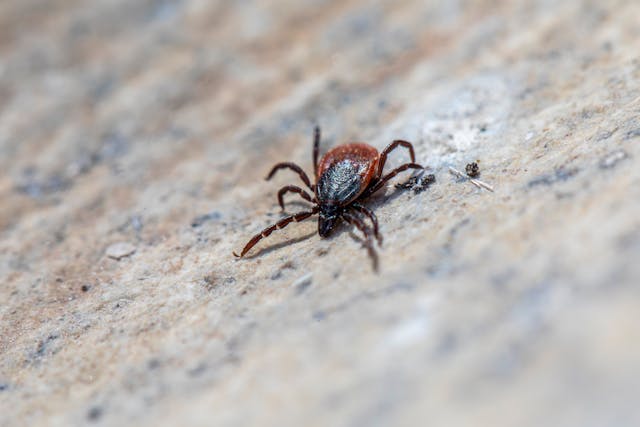
The blacklegged tick (Ixodes scapularis), also known as the deer tick, is the species responsible for transmitting Lyme disease (caused by the bacteria Borrelia burgdorferi), Rocky Mountain Spotted Fever, Powassan virus disease, and Tularemia in the Windsor-Essex region. All of Windsor and Essex County is considered endemic for this species by Public Health Ontario, meaning residents face a consistent, ongoing exposure risk regardless of which neighbourhood they live in. The WECHU notes that expanding tick populations, habitat fragmentation, and climate change are among the factors contributing to the increasing risk of tick bites and Lyme disease in Windsor and Essex County.
How Lyme Disease Transmission Occurs in Windsor-Essex
Lyme disease is not transmitted at the instant of a tick bite. The Borrelia bacteria are most likely to be transmitted after the blacklegged tick has been attached and actively feeding for 24 hours or more. This makes prompt tick discovery and removal one of the single most effective protective actions available to Windsor residents. The WECHU recommends checking your full body, including children and pets, for ticks and showering within two hours of coming indoors after any outdoor activity — steps that can meaningfully prevent disease transmission even in Windsor-Essex’s endemic tick environment.
Recognizing Lyme Disease and Other Tick-Borne Illness Symptoms
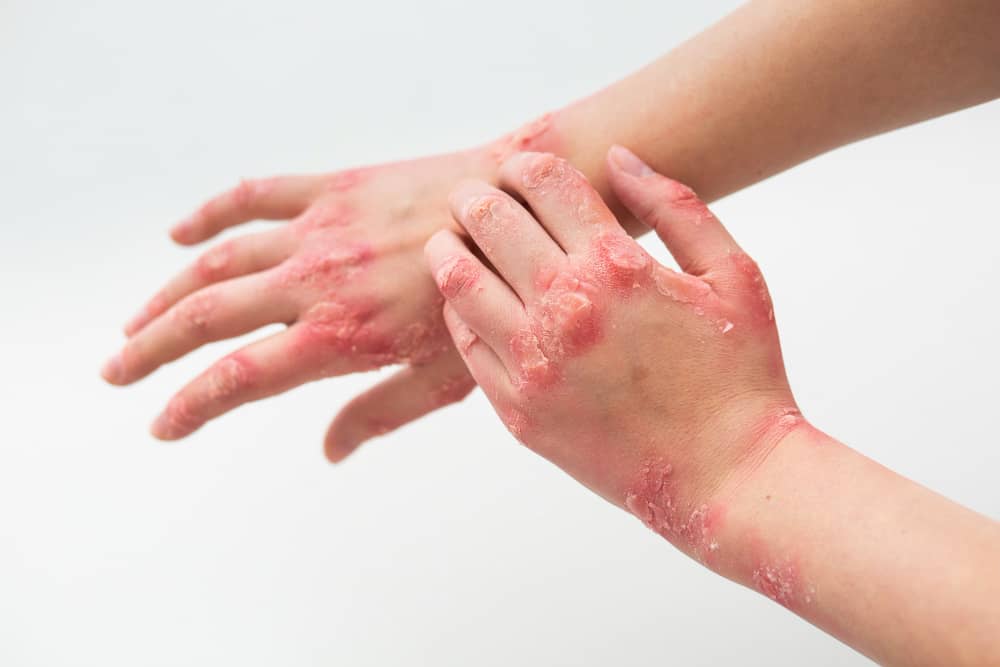
Early Lyme disease symptoms most commonly appear within one to two weeks after a bite from an infected blacklegged tick, though they can emerge anywhere from three to thirty days after exposure. The most distinctive early sign is an expanding circular bullseye rash at the bite site, though this rash does not develop in every case. Any unexplained flu-like illness — including fever, fatigue, headache, muscle and joint pain, or swollen glands — following outdoor activity in Windsor-Essex warrants a conversation with a healthcare provider. If left untreated, Lyme disease can progress to cause serious complications affecting the heart, joints, and nervous system. Anaplasmosis, Powassan virus disease, and Tularemia — additional conditions transmissible by ticks in the Windsor area — each carry their own distinct symptoms and similarly benefit from early diagnosis and treatment.
Property-Level Tick Control as a Disease Prevention Strategy
Reducing the number of ticks present on your Windsor property is one of the most direct and actionable ways to lower your household’s risk of tick-borne illness. Professional tick control services apply targeted perimeter treatments to the specific areas of your yard where blacklegged ticks are most concentrated — garden borders, shrub lines, leaf litter areas, and lawn edges adjacent to wooded or naturalized zones. The WECHU and the Windsor-Essex County Board of Health both highlight landscape management as an evidence-based strategy for reducing tick populations in residential spaces — making professional yard treatment a complement to the region’s own public health priorities.
Personal Protection Strategies for Windsor Residents
- Wear light-coloured clothing with long sleeves and pants tucked into socks when in tick habitat areas
- Apply Health Canada-approved repellents containing DEET or Icaridin before outdoor activities
- Shower or bathe within two hours of returning indoors after outdoor activities
- Put outdoor clothing in a hot dryer for at least 60 minutes to kill any ticks before washing
- Perform a full body tick check after every outdoor outing — including the scalp, behind the ears, armpits, groin, and behind the knees
- Use eTick.ca to submit photographs of any ticks found for free species identification
- Contact your healthcare provider promptly if you develop symptoms in the weeks following outdoor activity
Pairing these personal protective habits with professional tick control on your property creates a comprehensive, multi-layered defence against Lyme disease and tick-borne illness throughout Windsor’s endemic and active tick environment.
Benefits of Tick Control for Lyme Disease Prevention in Windsor
- Directly reduces the number of Lyme-capable ticks on your property
- Lowers the probability of tick-human contact for all household members
- Provides meaningful protection across all active seasonal windows in Windsor-Essex’s endemic zone
- Supports peace of mind for families enjoying Windsor’s parks, trails, and waterfront spaces
In a region where all of Windsor and Essex County is considered endemic for blacklegged ticks, professional tick control in Windsor is a practical, evidence-supported investment in the long-term health and safety of your entire household.
Frequently Asked Questions: Lyme Disease and Tick Control Windsor
Is Windsor, Ontario considered a high-risk area for blacklegged ticks?
Yes. According to Public Health Ontario, all of Windsor and Essex County is considered endemic for blacklegged ticks, making the entire region a high-risk area for Lyme disease exposure.
How long does a tick need to be attached before it can transmit Lyme disease in Windsor?
The WECHU advises that Lyme disease bacteria are most likely to be transmitted after a tick has been attached for 24 hours or more. Removing ticks promptly significantly lowers the risk of disease transmission.
Does professional tick control help reduce Lyme disease risk in Windsor?
Yes. Reducing tick populations on your property directly decreases the likelihood of the tick-human contact that leads to Lyme disease transmission across Windsor-Essex County.