Best Pest Control Companies In Barrie
Choosing the best pest control companies in Barrie requires understanding local pest pressures, property types, and seasonal risks. Barrie’s colder

Pest control in London is safe for children, pets, and multi-unit buildings when using low-toxicity solutions and following strict safety protocols. Mosquito Man offers environmentally friendly pest control treatments designed for urban residential services, including apartments and condos, ensuring proper application methods and clear communication with residents.
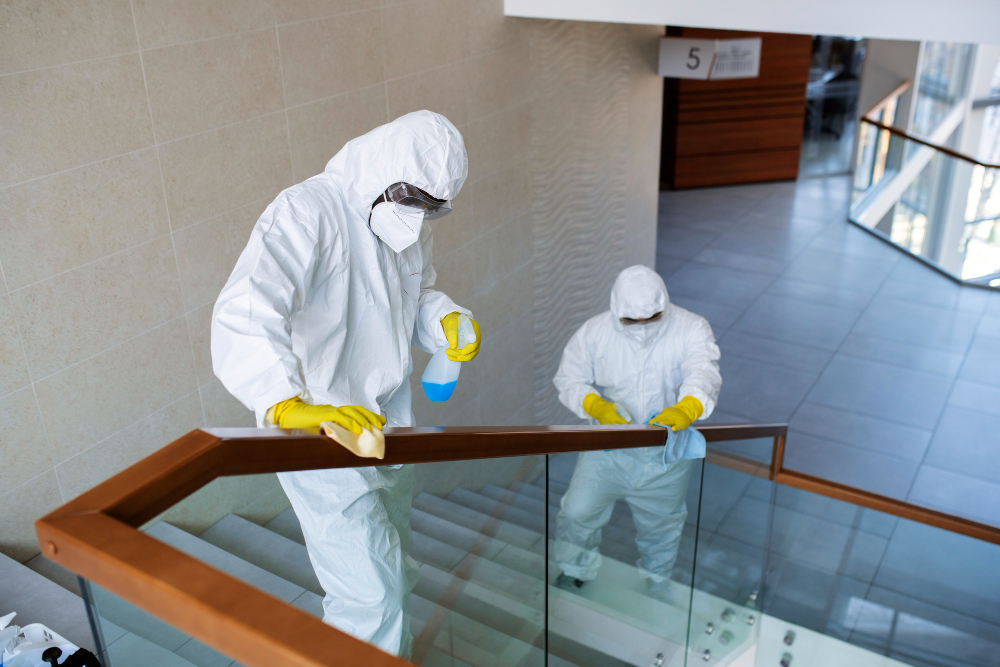
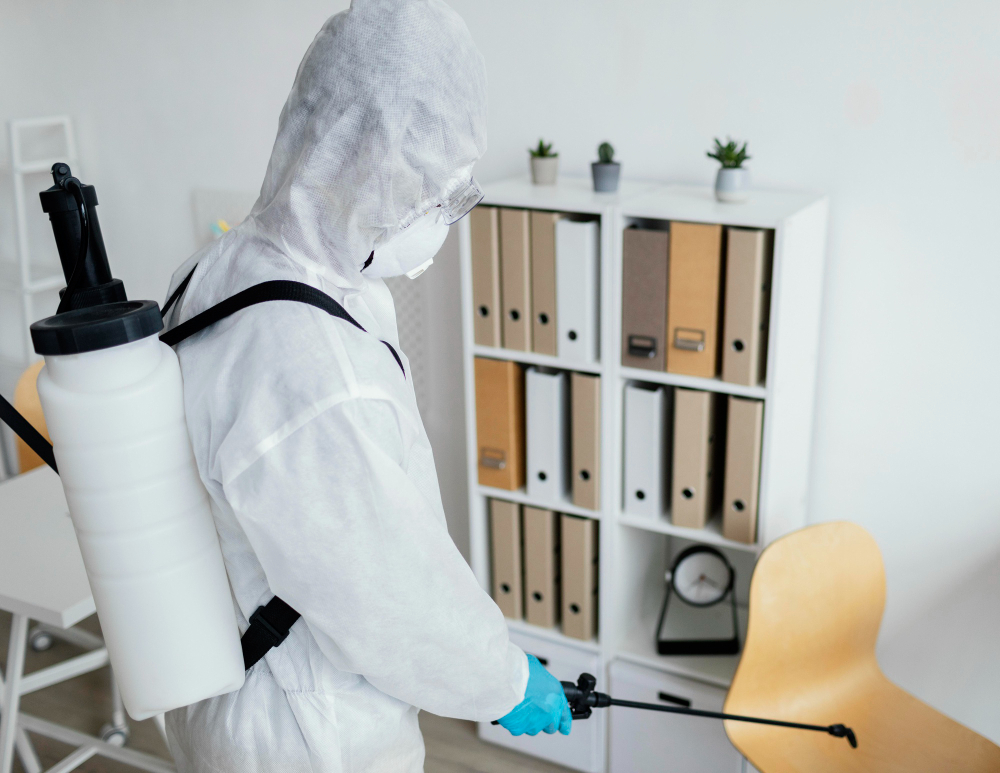
Freepik
Why Modern Pest Control in London is Safe for Children, Pets, and Multi-Unit Buildings
When you think about pest control, safety matters a lot—especially if you have kids or pets. Many folks worry that treatments might hurt their loved ones. Well, modern pest control keeps these worries in mind.
Child-Safe Pest Treatments use products with low toxicity. These are approved by authorities to keep children safe while getting rid of pests.
Pet-Friendly Pest Solutions make sure your pets stay safe too. Technicians pick the safest methods after checking each situation carefully.
Inside your home, Indoor Pest Control Safety means extra care is taken. Experts follow rules that cut down on exposure but still fight pests well.
Here’s a quick look at what makes these methods safe:
The treatments now hit pests directly without harming people or animals nearby. It shows how pest control has become safer over time.
Main points here:
To work well and stay safe, pest control uses exact ways to apply treatments:
Licensed technicians make sure the insecticide application methods are safe and controlled. This keeps your family and pets away from harm while getting rid of bugs.
Key steps include:
Only trained professionals handle pest control jobs safely:
Technicians always do risk assessments before starting any treatment. This way, they know how to protect everyone—kids, pets, and even neighbours in multi-unit buildings.
Why it matters:
Picking pros who follow these safety rules means your home stays safe during pest control work. Your family’s health comes first—always.
Pest control sprays in London focus on spraying only the spots where pests hide. This keeps kids, pets, and people safe. Technicians avoid spraying everywhere, so fewer chemicals are left around.
To keep sprays child-safe, they skip play areas or block off treated spots. For pets, they choose products that are safer after drying. The mix of precise sprays and proper drying helps fight pests indoors without risking health.
Here’s what professionals do with sprays:
This method keeps indoor pest control safe for everyone living in the home.
Baiting uses containers that stop kids and pets from getting to poison. These tamper-resistant bait stations let rodents in but keep others out.
Experts place baits along rodent paths like walls or dark corners inside houses or apartments. This way, only pests reach the bait. It lowers risk for humans and animals nearby.
Sometimes non-toxic baits get used when extra care is needed. Secure placement is a must for pet-safe pest control to avoid accidents.
Here’s how baiting works safely:
This approach balances safe rodent control with protecting families at home.
Gels offer a low-toxicity option that technicians apply carefully on cracks or crevices where pests live or eat. This keeps chemicals from spreading around rooms.
Professionals use tools to put gels exactly where needed. That means less leftover product that could bother people or pets later.
Key points about gels:
This makes gels a good choice when pests stick to certain places inside a home.
Fumigation fills a sealed space with gas pesticides to kill pests well but uses stronger chemicals than other methods.
After treatment ends, the area needs lots of fresh air until gas levels drop below safe limits checked by special devices.
Clear info about when people can return helps building managers plan evacuations without too much trouble while keeping everyone safe during fumigation.
Here’s how fumigation is done safely:
This careful method protects families while dealing with tough pest problems indoors.
Ready for safe pest management? Contact Mosquito Man today for advice made just for your home!
Getting your home ready before pest control helps keep everyone safe and makes the treatment work better. Use the preparation checklist from the pest control team. Usually, it asks you to clear clutter, put food away tight, and move pets out of the rooms to be treated.
During the treatment, safety protocols focus on keeping people away from chemicals. The professionals apply low-toxicity products in specific spots to lower risks. Tenants should follow instructions closely — like leaving rooms or covering furniture — to stay safe.
After treatment, you must follow post-treatment safety measures. Don’t touch surfaces until they are dry and aired out well. Keep kids and pets away from treated spots for the time recommended. Doing this keeps your home safe and helps the pest control work last longer.
Quick Preparation Checklist:
Talking clearly with residents is a big part of pest control in apartments or condos. Pest control teams arrange tenant communication so everyone knows when treatments happen and what to do.
They put up signs before treatments to warn residents about dates and safety rules. This helps avoid confusion during multi-unit housing pest coordination.
Property managers send emails or notes explaining what tenants must do before, during, and after treatments. Keeping communication open protects tenant health and lets pros do their job smoothly.
How Communication Happens:
Families worry about how pest control affects kids and pets — that’s normal! Professionals use child-safe pest treatments and pet-friendly solutions made for homes with families.
The products break down fast without leaving harmful stuff behind. Technicians tell parents to keep kids out of treated areas until it’s safe again.
Pet owners get clear tips on moving animals out or keeping them away during treatments. These steps help keep kids healthy and pets safe without hurting how well the treatment works.
Tips to Protect Kids & Pets:
Ventilating your home well after indoor pest control helps clear out fumes fast. Open windows or run fans to move air quickly.
Cleaning certain surfaces can lower risks by removing leftover product safely once it has settled — but only do this if your technician says so.
Good ventilation plus proper cleaning keeps your living space healthy after treatment. This is important especially in multi-unit buildings where air might not flow well otherwise.
After Treatment Steps:
These simple steps help keep families safe while making sure pests stay away for good.
Pest Control in Multi-Unit Buildings: Unique Considerations
Pest control in multi-unit buildings needs special care. Pests can easily move from one apartment to another. That makes multi-unit dwelling pest management trickier than in a single house. You need a plan that works for the whole building.
Professional pest control companies use treatments made for communal living pest control. These treatments target pests while keeping people safe. They use low-toxicity options to protect kids and pets.
Before any treatment, workers talk with tenants clearly. They also put up treatment signage so everyone knows what’s happening. Rental property pest solutions aim to keep all residents safe while handling bugs or rodents well.
Tenant safety during pest treatment is very important. Experts pick times that suit residents and explain what they must do before and after visits. This helps avoid problems later.
Pest Control in Multi-Unit Buildings: Unique Considerations
Good community pest control needs teamwork between landlords, tenants, and neighbors. Pest control for landlords means following local laws about tenant safety during treatments.
Clear communication helps a lot in multi-unit housing pest coordination. Letting everyone know about planned treatments stops confusion. It also makes sure people take the right steps to stay safe.
Landlords should team up with pest pros to check and treat units all at once when possible. This lowers chances pests jump back from untreated apartments.
Stopping pests from moving between units starts with good pest proofing solutions. Seal cracks near pipes, vents, doors, and windows tightly.
Structural pest damage prevention includes fixing holes or broken walls where bugs or rodents might sneak in.
Infestation control works best when you find these entry points early. This way, you stop pests before they spread across the building.
Rodent control safety means placing traps or baits where kids can’t reach but pests can get them easily.
Regular checks plus expert monitoring keep migration under control by fixing new weak spots fast before big problems start.
Many pests live in London homes inside multi-residential buildings:
Shared spaces like hallways, laundry rooms, or basements need regular checks. These places often hide bugs that affect several apartments at once.
For safe and effective multi-unit building pest management that protects families — including kids — and respects communal living needs contact Mosquito Man today for expert advice specific to your rental property or apartment complex.
Picking a pest control company for your home can feel tricky. Well, safety and trust matter most. You should check if the company has pest control certification. Also, make sure their people are licensed pest control technicians. These certified experts follow rules that keep your family safe and healthy.
Good companies are fully licensed, insured, and compliant with local laws. That means they use safe methods that protect kids, pets, and neighbours in apartments or condos. Don’t just take their word—ask to see proof of their credentials before booking.
Here’s what to look for:
You want people who know what they’re doing. Pick a team with licensed exterminators who got solid pest control technician training. Trained technicians know how to handle pests right without risking your household’s health.
Good pros will:
Especially if you live in an apartment or shared building, clear communication matters a lot.
Choosing the right products is part of being safe at home. Look for companies that offer low-toxicity pest treatments. These reduce harmful chemicals inside your house.
Some companies use eco-friendly pesticides. They target pests but don’t hurt pets or people much. Others offer options that are nearly chemical-free—great if you have kids or sensitive pets around.
What to ask about:
Before you decide, check what other customers say. Good reviews often mention customer satisfaction with the service quality and safety.
Look for feedback on:
Positive testimonials from locals help build trust when picking a company near you.
For families across London, including those in multi-unit homes, it’s smart to pick certified experts who focus on low-toxicity methods. Plus, check that other customers give good feedback before you hire anyone for pest removal.
Are pest control treatments safe for pets and children?
Yes, most pest control treatments are made to keep your family and pets safe. Licensed pros use products that are low in toxins and aimed just at pests. Child-safe pest treatments skip harsh chemicals and focus on careful use to lower risks.
Technicians follow pet safety guidelines closely. They tell you when to keep pets away during treatment. They also make sure no harmful residue stays where pets can reach it. If you have kids, especially babies or those with allergies, the experts suggest clear instructions on what to do before and after the treatment.
Picking a family-friendly service means trusting methods that work inside your home without harming your loved ones. This keeps your house free of pests while cutting down health worries linked to pesticides.
How long do I need to stay out of my home after treatment?
How long you should stay out depends on the treatment type, but usually it’s between 2 and 6 hours. The pros will give you exact directions based on the product and your home’s layout.
Before treatment: remove food from treated spots and cover fish tanks or bird cages if needed. After treatment: open windows well to air out rooms before going back inside.
These post-treatment safety steps help cut down exposure for your family and pets. They also help the treatment work better.
What are the signs of pesticide exposure in my family?
Pesticide exposure can show up as headaches, dizziness, nausea, skin rashes, or breathing problems like coughing or wheezing. Kids can be more sensitive because their bodies are still growing.
Watch for allergic reactions too—like rashes or trouble breathing—especially right after treatment. If these happen, see a doctor fast.
Indoor pest control pros try to cut allergens by using treatments that hit pests directly. This lowers how much chemicals spread in your home and helps keep health issues down.
How do you prevent pests from spreading between units?
In apartments or condos, pests can move easily from one unit to another. To stop this, pest control needs a plan for all units together—not just one apartment.
Experts check all the units that have pest problems before treating anything. They seal cracks near pipes and walls shared between units. They also put barrier treatments in common spots like hallways or basements.
Talking with residents helps too. Everyone learns good habits that stop pests from spreading in shared spaces.
This way, pest control works better across all units without using too many chemicals that might harm people living there.
/>How do licensed pest control technicians follow health and safety standards?
Technicians follow strict health and safety guidelines. They wear protective gear and apply controlled doses. Regular training keeps their skills compliant with legal rules.
What is the role of pest control preparation in safe treatment?
Proper pest control preparation reduces exposure risks. Clearing clutter and storing food help treatments target pests effectively. It also helps technicians work safely.
Why is thorough pest control aftercare important for household protection?
Aftercare includes ventilation and cleaning instructions. It lowers chemical residue and speeds recovery. Following aftercare reduces health hazards post-treatment.
How does rodent control safety protect children and pets?
Rodent control uses tamper-proof bait stations placed out of reach. Safe rodent control limits contact with poisons, ensuring pets and kids stay safe.
What monitoring and reporting practices ensure effective pest eradication?
Technicians monitor pest activity regularly and report findings. Ongoing checks prevent re-infestation and adjust treatment plans as needed.
How does multi-unit building pest control differ from residential pest control London?
Multi-unit building pest control involves coordinated treatments across all units. It focuses on shared spaces to prevent pest migration between homes.
What eco-friendly pest control options does Mosquito Man offer?
Mosquito Man uses green products that reduce environmental impact. These eco-friendly methods maintain safe, effective pest management for families.
We provide sustainable pest control methods suited for London’s urban homes, including multi-residential buildings, condos, and apartments, balancing environmental safety with effective eradication results.
For trusted advice on safe pest control in London homes or multi-unit buildings, contact Mosquito Man today!
Choosing the best pest control companies in Barrie requires understanding local pest pressures, property types, and seasonal risks. Barrie’s colder

Preventive pest control in Windsor focuses on stopping infestations before pests ever enter the home. Instead of reacting to visible