
Effective Firebrats Control Solutions
Our Firebrats Control & Removal Service
Common firebrats found in Canada are small, wingless insects closely related to silverfish. They thrive in warm, humid environments such as boiler rooms, basements, attics, and around heating systems. Firebrats feed on carbohydrates like paper, glue, fabrics, and stored food products, which can lead to property damage over time.
Fortunately, Mosquito Man can help! Our firebrats control service is your reliable solution to eliminate infestations and prevent these pests from spreading throughout your home or business. We use effective, targeted treatments to ensure long-term protection and peace of mind.
Areas We Serve Firebrats Control & Removal
Mosquito Man has been successfully eliminating firebrats and other pests across Ontario for the past 6 years! We understand that every city and property has unique pest challenges, and we tailor our firebrats control solutions accordingly.
We proudly provide top-notch Firebrats Control Service and Pest Control in Amherstburg, Brampton, Burlington, Caledon, Cambridge, Chatham, Essex, Hamilton, Kingsville, Kitchener, LaSalle, Leamington, London, Markham, Milton, Mississauga, Newmarket, Oakville, Richmond Hill, Sarnia, Stouffville, Tecumseh, Thornhill, Toronto, Vaughan, Waterloo, and surrounding areas.
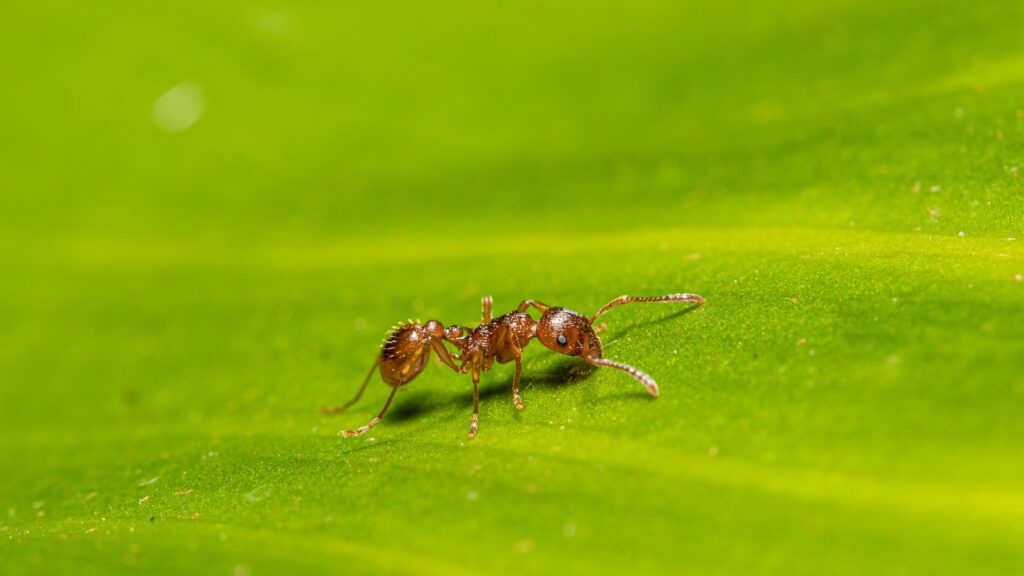
Our Unique Approach To Firebrats Extermination & Removal Service
1. FIREBRATS INSPECTION
2. INTERIOR FIREBRATS TREATMENT
Ant Control
Starting at
$399/YR
Ant Inspection
Exterior Ant Treatment
Satisfaction Guaranteed
or dial 519-9709136
SAVE ON OUR MOSQUITO CONTROL PACKAGE
Mosquito Control
Starting at
$299/YR
Ant Inspection
Exterior Ant Treatment
Satisfaction Guaranteed
or dial 519-9709136

Why Choose Mosquitoman
Value
After your pest inspection, we’ll provide you with a quote that makes sense for your budget and unique needs.
Service
We’re not happy unless you are. So if you’re not satisfied with your most recent service, we’ll make it right.
Trust
We know you are putting a lot of trust in our hands. So we promise to treat you and your home with respect.
Why Choose Mosquitoman
Our Mosquito & Pest Control Services

Yard Protection
From
$450
$
BEST VALUE!
SAVE 20%
Read more
Your Package Includes:
- A Free Larviciding for standing water
- A Free Assessment of the property
- Licensed Technicians
- World Class Customer Service
- A Schedule to service time that is quick and efficient
- Our Super Hero Guarantee — if you’re not satisfied we come back!
Home Protection
From
$300
$
BEST VALUE!
SAVE 20%
Read more
Your Package Includes:
- A Free Larviciding for standing water
- A Free Assessment of the exterior of the home
- Licensed Technicians
- World Class Customer Service
- A Schedule to service time that is quick and efficient
- Our Super Hero Guarantee — if you’re not satisfied we come back!

Full Protection (Yard + Home)
From
$600
$
BEST VALUE!
SAVE 20%
Read more
Your Package Includes:
- Free Larviciding for standing water
- A Free Assessment of the yard and exterior of the home
- Licensed Technicians
- World Class Customer Service
- A Schedule to service time that is quick and efficient
- Our Super Hero Guarantee — if you’re not satisfied we come back!
Frequently Asked Questions

Client Feedback
Preventing Firebrats: A Proactive Approach
Firebrats are small, fast pests that live in warm, damp places. Controlling and preventing firebrats means removing the conditions that attract them. Important steps include exclusion, sealing, inspection, sanitation, and changing their habitat. By fixing cracks and openings, removing debris, and reducing moisture, you can stop firebrats from settling in your home.
Understanding where firebrats like to live helps with control. These pests prefer warm temperatures, moisture, and organic debris. Keeping surfaces clean and dry, improving ventilation, and clearing clutter are key actions. Regularly inspect your home for entry points and hiding spots to keep firebrats away.
Effective pest control uses physical barriers and managing the environment. Seal cracks and openings in walls, floors, and around pipes to block firebrats. Clean regularly to remove food and debris that provide shelter. Keep areas dry and well ventilated to make your home less suitable for firebrats.
How do you identify potential entry points for firebrats?
Finding where firebrats enter is important for prevention. They get inside through cracks, openings, and gaps near insulation, concrete, and construction areas. Inspect your home carefully for these weak spots.
- Cracks in walls, floors, and foundations
- Openings around windows, doors, and vents
- Spaces near pipes, cables, and utility lines
- Areas under containers or debris stored inside
- Spots with poor ventilation that hold moisture
Check for warm, moist areas with food sources, as they provide good habitat for firebrats. Regular inspections help find entry points early so you can seal them with caulking or weatherstripping.
What are effective strategies for preventing firebrat infestations?
To control firebrats, use several methods together:
- Exclusion and Sealing: Seal all cracks, openings, and gaps with sealants or barriers to keep firebrats out.
- Sanitation: Remove debris, food scraps, waste, and garbage to eliminate their food supply.
- Moisture Control: Fix leaks, use dehumidifiers, and improve ventilation to reduce dampness and dry out areas where firebrats live.
- Inspection: Check regularly for new entry points or signs of firebrats to act quickly.
- Habitat Modification: Clear clutter and remove organic debris to make the area less inviting.
- Products and Treatments: Use safe options like borates, botanical repellents, deterrents, or baits as part of your pest control plan. Follow all product directions carefully.
By using these steps, you can create a home environment that keeps firebrats away.
Does regular cleaning help deter firebrats?
Yes. Regular cleaning and sanitation are important for stopping firebrats. Removing debris, food particles, and moisture makes it harder for firebrats to survive.
- Cleaning up food spills and crumbs from floors and surfaces
- Emptying and cleaning garbage containers often to avoid contamination
- Drying wet areas quickly to stop moisture buildup
- Cleaning under appliances, furniture, and storage spaces to remove hidden debris
- Checking for signs of firebrats during cleaning sessions
A clean, dry environment reduces the places firebrats can live. Cleaning works well with sealing and exclusion to protect your home from infestations.
If you need help with firebrats or want expert advice on firebrat control and prevention, contact Mosquito Man for pest control services suited to your home.
References
- University of California Statewide Integrated Pest Management Program. “Firebrats.” ipm.ucanr.edu
- Ontario Ministry of Agriculture, Food and Rural Affairs (OMAFRA). “Silverfish and Firebrat Control.” omafra.gov.on.ca
- National Pest Management Association (NPMA). “Pest Library: Firebrats.” pestworld.org
Recognizing Signs of a Firebrat Problem
Firebrats are small insects that often go unnoticed until the infestation is severe. Spotting a firebrat infestation early can help prevent damage to your home and belongings. Firebrats live best in warm, moist environments, so homes with cracks and poor sanitation provide ideal places for them to live.
What are the telltale signs of a firebrat infestation?
You can identify a firebrats infestation by looking for these signs:
- Visible Bugs and Larvae: Firebrats look like silverfish but have grey and brown mottled bodies. You may find adults or larvae near warm, damp spots.
- Egg Clusters: Firebrats lay tiny eggs in cracks or under debris. These eggs are hard to see but may be discovered during careful inspection.
- Damage to Surfaces: Firebrats feed on starchy materials, damaging wallpaper, books, clothing, and food packaging.
- Debris and Contamination: Small piles of scales or shed skins near hiding places show active infestation.
- Odor: A musty or oily smell can develop in areas with heavy infestation.
- Poor Sanitation and Cracks: Firebrats prefer dirty areas with easy access through cracks or crevices in walls, floors, and insulation.
Regular inspections and good sanitation can reduce the risk of infestation. Sealing cracks and controlling moisture in your home also limits places where firebrats can live.
How do firebrats differ from silverfish, and why does it matter?
Though firebrats and silverfish are similar pests, knowing how they differ helps with better pest control.
- Appearance: Firebrats have darker, mottled grey and brown bodies; silverfish are silver and smooth.
- Habitat: Firebrats prefer warm, humid spots near heaters, ovens, or water heaters. Silverfish like cooler, damp places such as bathrooms and basements.
- Behavior: Firebrats are active at higher temperatures (about 32–41°C), while silverfish tolerate a wider range of temperatures.
- Diet: Both eat starchy materials, but firebrats also feed on decaying materials and protein debris, increasing contamination risks.
- Damage: Both cause harm to paper, fabric, and stored food, but identifying the right pest means using the correct control methods.
Knowing these differences helps homeowners apply better pest control solutions that reduce infestation chances.
Where are the common hiding spots for firebrats in homes?
Firebrats look for warm, moist, and sheltered spots. Common hiding places include:
- Cracks and crevices in walls, floors, and foundations
- Behind baseboards and wallpaper edges
- Under insulation, especially near heating pipes and ducts
- Near moisture sources like leaky pipes, kitchens, and bathrooms
- Piles of debris, cardboard boxes, and cluttered storage areas
- Warm appliances such as ovens and water heaters, where temperatures stay high
Keeping your home clean and sealing cracks will lower hiding spots. Controlling moisture and temperature inside prevents firebrats from breeding. A pest control inspection can find these problem areas and suggest ways to manage firebrat control.
If you suspect a firebrat infestation, act quickly. Contact Mosquito Man for an expert inspection and trusted firebrat control services. Protect your home from damage and contamination before the pests multiply.
Have you seen signs of firebrats in your home? Share your experience or questions below—we are here to help!
References:
- University of Kentucky Entomology. “Firebrats and Silverfish.” ukentomology.ca.uky.edu
- PestWorld. “Silverfish and Firebrats.” pestworld.org
- Cornell University Integrated Pest Management. “Silverfish and Firebrats.” ipm.cornell.edu
Natural Firebrat Deterrents & Solutions
Controlling firebrats naturally uses botanicals, essential oils, and earth-based dusts. These natural remedies provide effective alternatives to chemical pesticides and support a safer environment. Good sanitation, moisture control, and habitat management are important to stop firebrat infestations. Removing debris and keeping surfaces dry reduce places where firebrats can live.
Using botanical repellents and dusts like diatomaceous earth improves firebrat control. Sprays made from essential oils deter firebrats by creating unpleasant odors on surfaces where they live. Combining these natural methods with regular cleaning and environmental changes creates a complete approach to firebrats pest control and removal.
Can essential oils repel firebrats?
Essential oils are common natural repellents for firebrat control and management. Oils from plants like peppermint, lavender, and eucalyptus have strong botanical scents that interfere with firebrats’ ability to find food and move around. These odors make treated surfaces less inviting to firebrats, helping to lower their numbers in homes or workplaces.
Applying essential oils as sprays on moist or warm areas—typical firebrat habitats—creates an uncomfortable setting for these pests. Besides repelling firebrats, essential oils support a healthier indoor environment by reducing the use of harsh chemicals. For best results, reapply oils regularly to keep the odors strong and maintain firebrat deterrence.
Is diatomaceous earth effective for firebrat issues?
Diatomaceous earth (DE) is a natural, abrasive dust widely used in firebrats pest control. Made from fossilized algae, this earth works by damaging the outer layer of firebrats, causing them to lose moisture and die.
Sprinkle DE around moist surfaces, cracks, and debris where firebrats hide. It acts as both a barrier and a removal tool. Its effectiveness depends on keeping the area dry because moisture reduces how well the dust works. Combining DE with good sanitation and habitat control supports long-lasting firebrat solutions.
What other natural remedies can help control firebrats?
Other natural remedies and steps that help with firebrats management include:
- Borates: Natural compounds that act as slow poisons, applied as dusts or sprays in infested spots.
- Botanical sprays: Plant extracts with repellent qualities, used regularly on surfaces.
- Sanitation: Removing food debris and moisture eliminates firebrats’ food and living spaces.
- Moisture control: Fix leaks and improve airflow to reduce humidity, which firebrats need to survive.
- Environmental barriers: Sealing entry points and using physical barriers prevent new infestations.
Combining these methods with essential oils and diatomaceous earth creates multiple layers of protection. This keeps the environment clean and dry, making it hard for firebrats to thrive and lowering the need for chemical pest control.
For more information on natural pest control and firebrat solutions, visit our Natural Pest Control Techniques page. Have you tried any of these methods? Share your thoughts or questions in the comments below!
Professional Firebrat Control: When to Call
Firebrats are small, fast-moving insects that live in warm and moist places. A few firebrats can sometimes be dealt with by simple methods. However, large infestations often need professional firebrats services. These services include firebrats extermination, treatment, and removal using special techniques and chemicals that are not available to the public. Pest control experts carry out a full inspection to find how bad the infestation is. They then apply targeted insecticides, fumigants, and other compounds safely and effectively.
Hiring professionals makes sure that eradication is done correctly the first time. This reduces health risks and prevents contamination. Experts in firebrats control can handle colonies and breeding sites that are hard to find and manage. They also use protective gear and eco-friendly compounds to keep both people and the environment safe.
When is professional firebrat extermination necessary?
You should call for professional firebrat extermination when the infestation is serious or keeps coming back. Signs of a big firebrat problem include seeing many colonies, damage to materials, and more firebrat sightings despite trying DIY methods. A professional inspection will show how severe the problem is and where the firebrats are breeding.
Using chemicals like insecticides and fumigants needs skill to make sure they work well without harming people or pets. Professionals check the risk of contamination and choose the safest, most effective compounds for eradication. Firebrat infestations can cause health risks such as allergic reactions or food contamination, so it is important to get expert help quickly.
If firebrats keep appearing after you try to control them, it is time to get firebrats extermination services. Acting early stops more damage and a bigger infestation, which helps in the long run.
How do firebrats services differ from DIY control methods?
Firebrats services differ from DIY control because of the knowledge, tools, and products used. DIY methods may use insecticides, baits, sprays, and barriers, but they usually only give short-term or partial results. Professionals do careful inspections to find all firebrat hiding spots before treating.
The main differences are:
- Expertise: Trained technicians know firebrat habits and biology, so they can target treatments well.
- Equipment and Chemicals: Professionals have access to special insecticides, fumigants, and compounds that are not sold for home use.
- Safety: Experts use protective gear and handle chemicals properly to protect people and the environment.
- Results: Professional services usually get rid of firebrats faster and more completely than store-bought options.
- Sanitation Advice: Experts guide you on cleaning and removing firebrat habitats to stop them from coming back.
DIY control alone might extend the problem and lead to incomplete treatment. Using professional firebrats control along with good cleaning gives the best chance to get rid of these pests.
What should you expect during a firebrats treatment service?
A firebrats treatment service starts with a full inspection of your property. The technician looks for debris, cracks, holes, and damp spots where firebrats can hide or breed. This helps decide the best way to treat the area.
During treatment, chosen insecticides, fumigants, or other compounds are applied to targeted areas. Safety measures include wearing protective gear and sealing off treated zones to keep people and the environment safe. The technician may suggest sealing entry points and clearing away firebrat habitats to prevent future problems.
Follow-up visits are common to check the results and do more treatment if needed. Keeping the area clean and removing firebrat habitats during the whole process helps make the treatment work better.
Professional firebrats treatment gives full control with focus on safety and protecting the environment. If you think you have a firebrat infestation, contact qualified experts for an inspection. This will give you peace of mind and lasting results.
Do you have questions about firebrats control or need expert advice? Contact our professionals today to learn more about effective firebrats extermination and treatment options for your situation. Your safety and comfort come first.
Maintaining a Firebrat-Free Home
Keeping your home free of firebrats needs steady firebrats control and prevention steps. Regular maintenance helps lower the chance of an infestation. Pest control begins with good sanitation, sealing entry points, and regular inspection. Firebrats prefer moist places, so controlling moisture and improving drainage and ventilation are very important. Remove debris and seal any cracks or gaps where firebrats can hide. Avoid contamination by removing food leftovers and clutter that create good habitats for them. By making your home less welcoming and removing shelters, you keep firebrats out.
How can you make your home less attractive to firebrats long-term?
- Keep surfaces clean to remove food scraps and smells by regular cleaning.
- Seal cracks and gaps around doors, windows, and foundations to stop entry.
- Clear away debris, garbage, and waste quickly to remove food sources.
- Control moisture by fixing leaks and improving airflow in damp spots.
- Store food in sealed containers to avoid contamination.
- Dispose of waste properly to reduce smells that attract pests.
- Clean regularly to reduce places where firebrats can live.
Using these steps all the time makes your home a place that firebrats do not want to live.
What is the role of humidity control in firebrat prevention?
Humidity and moisture are key for firebrats to live. They like warm, damp places with little air movement. To control humidity:
- Make sure water drains well to avoid build-up inside and outside your home.
- Use fans or dehumidifiers to improve air flow and lower moisture.
- Watch indoor climate to keep temperature and humidity low enough to stop mold, fungus, decay, and rotting—food sources for firebrats.
- Good air flow dries damp areas and makes them less attractive for firebrats.
Controlling humidity not only stops firebrats but also helps keep your home healthy and stops damage from mold and decay.
How often should you inspect for firebrats after treatment?
Checking your home regularly after pest control is important to keep firebrats away:
- Inspect every 1 to 2 weeks at first, looking closely in cracks, gaps, debris, and damp places.
- Look for eggs, larvae, and adults to find any return of firebrats fast.
- After no signs are found, check monthly to be sure they stay gone.
- Keep cleaning well and seal new cracks or openings you find during checks.
- Regular monitoring and maintenance help keep treatments working and stop firebrats from coming back.
Frequent inspection and care are key to lasting firebrats control.
Have you noticed firebrats in your home? Share your experience or questions below. For expert pest control advice, contact Mosquito Man today.
For more information on pest prevention, visit Pest Control Best Practices.
How can fire elimination methods help manage pest-related fire issues safely?
Fire elimination methods reduce the risk of fires caused by materials like grease, garbage, or chemical residues found in pest nests. Using barriers and proper disposal limits oxygen supply, stopping flames from spreading. These steps keep environments safe during pest control methods that involve heat or burning.
What role do aerosols and gels play in controlling pest colonies in different climates?
Aerosols and gels help reach pests such as ants, bees, and beetles by penetrating nests and shelters. They work well in various weather and moisture conditions, protecting plants and soil while effectively managing pests.
Are carbamates and herbicides safe for use near horticulture and food-producing plants?
Carbamates and approved herbicides are safe when used correctly. Following label instructions and avoiding contamination of irrigation and drainage protects beneficial microbes and keeps harmful residues away from edible plants.
How do natural factors like microbial activity and aeration affect pest resistance?
Microbes and good soil aeration help break down pesticides, which lowers pest resistance over time. Healthy soil supports useful organisms that fight pests and diseases, reducing the need for many chemicals.
What are the best practices for using foggers and baits to minimize odors and residue in homes?
Use foggers and baits carefully in closed spaces like containers and small rooms to control pests without creating strong odors or leftover chemicals. Choosing low-toxicity products and applying them when fewer people are around reduces risks and residue on surfaces like wood or concrete.
Why is proper disposal and sterilization important after pest control treatments?
Safe disposal of used materials prevents pollution and disease spread. Sterilizing tools and treated areas breaks pest life cycles and stops pests from returning, especially in places with many nests or hives.
How do environmental conditions like temperature and humidity affect pest infestations and control?
Temperature, humidity, and air flow impact how pests behave, reproduce, and respond to treatment. Higher heat can increase fire risks near grease or petroleum, while moisture affects mold and fungi that attract pests. Changing pest control methods based on these factors leads to better results.
Can combining physical barriers and pheromone traps improve fire-related pest solutions?
Yes. Physical barriers block pests from areas prone to fire, and pheromone traps stop pests from reproducing in colonies. Together, they reduce the need for chemicals and lower
Firebrats Control – Key Insights
- Effective firebrats elimination requires a complete plan that includes inspection, blocking entry points, and using specific treatments focused on stopping breeding sites and removing food sources.
- Managing firebrats means recognizing conditions like moisture, warmth, and debris that help them live, then cleaning and sealing gaps to keep them out.
- Using professional firebrats pest control services provides expert use of approved insecticides, dusts, baits, and repellents that fit the area, helping remove pests while lowering chemical leftovers.
- Problems with firebrats usually come from places with high humidity, organic decay, and clutter. Regular checks and quick action help avoid damage or contamination.
- Applying botanical insecticides, borates, diatomaceous earth, and other low-toxicity chemicals offers safe firebrats treatment options that protect the environment and reduce resistance.
- Solutions for firebrats often combine physical removal, changing their habitat, and using fumigants or aerosols to break colonies and stop them coming back by ongoing checks.
- To know how to control firebrats well, improve ventilation, lower moisture, clean away grease and debris, and use barriers or traps to reduce their numbers.
- Fire elimination methods aimed at firebrats include heat treatments, careful use of flame retardants, and controlling burning to safely lower pests without harming building materials.
- Complete firebrats services cover both quick pest removal and long-term prevention through education on moisture control, waste management, and habitat changes.
- Knowing firebrats biology, like larva growth and egg-laying, helps pick the right treatment time and use chemicals such as carbamates, phosphates, or sulfur products.
- Combining good sanitation, proper waste removal, and better drainage lowers places where firebrats can live, limiting their access to moisture, food, and breeding spots.
- Proper firebrats management often needs mixing chemical treatments with physical barriers, better airflow, and regular inspections for a pest-free space.
- Using gels, granules, and baits in firebrats treatment targets pests with less harm to the environment, especially when paired with sealing entry points and habitat changes.
- Knowing when firebrats resist common insecticides helps choose mixtures and rotate products to keep control working well over time.
- Working with professional pest control experts brings skill in spotting infestations, applying the right insecticides safely, and following local environmental rules.