
Effective Earwigs Control Solutions for Home and Garden
Our Earwigs Control & Removal Service
Common earwigs found in Canada are small insects recognized by their pincers (forceps) at the end of their bodies. They are typically found in damp, dark environments such as basements, gardens, mulch, and around foundations. Earwigs are mostly active at night and often enter homes in search of moisture and shelter.
While earwigs are not dangerous, their presence can become a nuisance, especially when they start appearing indoors in large numbers. Fortunately, Mosquito Man can help! Our earwigs control service is your reliable solution to eliminate these pests and keep your home or business protected.
Areas We Serve Earwigs Control & Removal
Mosquito Man has been successfully eliminating earwigs and other pests across Ontario for the past 6 years! We understand that each property has unique pest challenges, and we tailor our treatments to deliver effective, long-lasting results.
We proudly provide top-notch Earwigs Control Service and Pest Control in Amherstburg, Brampton, Burlington, Caledon, Cambridge, Chatham, Essex, Hamilton, Kingsville, Kitchener, LaSalle, Leamington, London, Markham, Milton, Mississauga, Newmarket, Oakville, Richmond Hill, Sarnia, Stouffville, Tecumseh, Thornhill, Toronto, Vaughan, Waterloo, and surrounding areas.
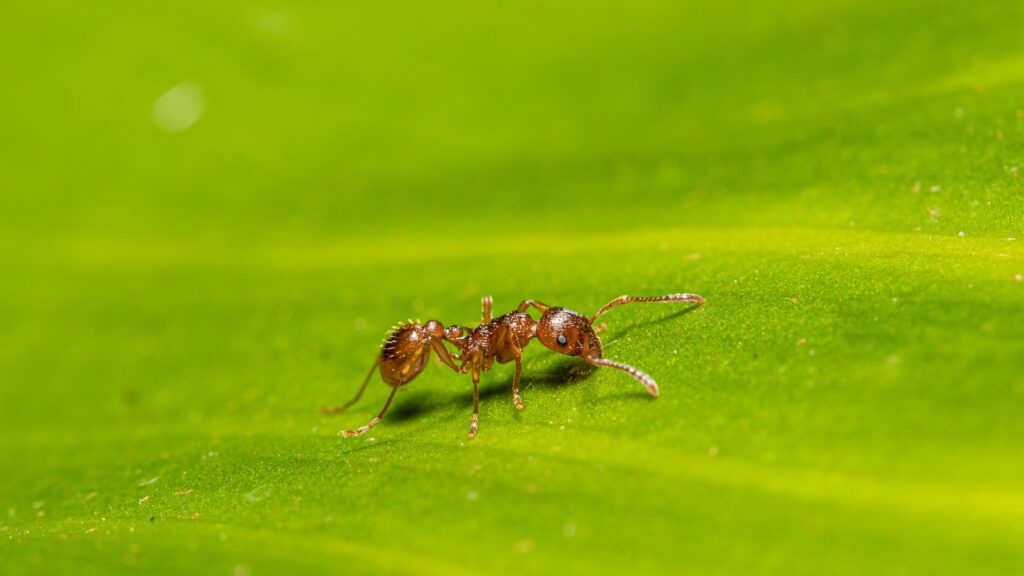
Our Unique Approach To Earwigs Extermination & Removal Service
Earwigs thrive in moist environments and often hide during the day under debris, mulch, stones, and within cracks and crevices. They can quickly multiply if conditions are ideal. Our team understands their behavior and targets the root cause of the infestation.
1. EARWIGS INSPECTION
2. EXTERIOR & INTERIOR EARWIGS TREATMENT
Ant Control
Starting at
$399/YR
Ant Inspection
Exterior Ant Treatment
Satisfaction Guaranteed
or dial 519-9709136
SAVE ON OUR MOSQUITO CONTROL PACKAGE
Mosquito Control
Starting at
$299/YR
Ant Inspection
Exterior Ant Treatment
Satisfaction Guaranteed
or dial 519-9709136

Why Choose Mosquitoman
Value
After your pest inspection, we’ll provide you with a quote that makes sense for your budget and unique needs.
Service
We’re not happy unless you are. So if you’re not satisfied with your most recent service, we’ll make it right.
Trust
We know you are putting a lot of trust in our hands. So we promise to treat you and your home with respect.
Why Choose Mosquitoman
Our Mosquito & Pest Control Services

Yard Protection
From
$450
$
BEST VALUE!
SAVE 20%
Read more
Your Package Includes:
- A Free Larviciding for standing water
- A Free Assessment of the property
- Licensed Technicians
- World Class Customer Service
- A Schedule to service time that is quick and efficient
- Our Super Hero Guarantee — if you’re not satisfied we come back!
Home Protection
From
$300
$
BEST VALUE!
SAVE 20%
Read more
Your Package Includes:
- A Free Larviciding for standing water
- A Free Assessment of the exterior of the home
- Licensed Technicians
- World Class Customer Service
- A Schedule to service time that is quick and efficient
- Our Super Hero Guarantee — if you’re not satisfied we come back!

Full Protection (Yard + Home)
From
$600
$
BEST VALUE!
SAVE 20%
Read more
Your Package Includes:
- Free Larviciding for standing water
- A Free Assessment of the yard and exterior of the home
- Licensed Technicians
- World Class Customer Service
- A Schedule to service time that is quick and efficient
- Our Super Hero Guarantee — if you’re not satisfied we come back!
Frequently Asked Questions

Client Feedback
Understanding Earwig Behavior and Habits
What attracts earwigs to my property?
Earwigs are common yard pests that like places with moisture and shelter. They are found in damp, dark spots such as under leaves, mulch, and organic matter in soil. Gardens with flowers, vegetables, fruits, trees, and shrubs provide food and hiding places. Debris and thick plant growth also create good homes for earwigs to live and feed.
Key things that attract earwigs include:
- Moisture from rain or watering
- Leaves, mulch, and other organic material buildup
- Thick plants like shrubs, flowers, and garden crops
- Dark, cool, and sheltered areas near the ground
Knowing what draws earwigs helps with natural earwig control by removing or reducing these conditions around your property.
How do earwigs enter homes in Canada?
Earwigs get into homes through small cracks, crevices, and openings around foundations, siding, and building edges. In Canadian homes, these entry points include gaps around doors, windows, vents, and utility pipes. Inside, earwigs look for cool, damp places like basements, bathrooms, and crawl spaces.
To control earwigs effectively, use this pest management approach:
- Check and seal possible entry points
- Keep the area around your home clean and dry
- Use barriers or exclusion methods to block access
- Watch for signs of earwigs early and act quickly
Regular inspections and simple home pest control steps help prevent earwig entry and lower the need for pesticides.
What is the earwig lifecycle in Canadian climates?
The earwig lifecycle in Canada has several stages affected by local temperature and weather. These stages include:
- Eggs – Laid in moist soil or under debris during spring
- Nymphs – Hatch from eggs and grow through several molts
- Adults – Fully grown earwigs appear in late spring or early summer
The pace of development depends on climate. Cooler weather slows growth, while warm, humid conditions speed it up. Knowing the lifecycle helps with earwig control by targeting the most vulnerable stages, like when eggs are laid or nymphs hatch.
What time of the year are earwigs most active?
Earwigs are most active from late spring to early fall in Canada. This period has warmer temperatures and more humidity, which help earwigs feed and reproduce. Specifically:
- Spring: Eggs hatch and nymphs appear
- Summer: Earwig numbers peak, with lots of feeding on plants and organic matter
- Fall: Adults look for places to stay over winter, sometimes inside homes
Focus pest control and monitoring during these months to reduce earwig populations. Keeping your yard clean and managing moisture during this time helps prevent infestations.
Can earwigs cause damage to structures or belongings?
Earwigs rarely damage buildings but can harm gardens and some belongings. They eat soft plant tissues like flowers, vegetables, fruits, and young shrubs. This feeding causes signs such as holes, wilting, or discolored leaves.
Possible problems from earwig damage include:
- Poor health and appearance of garden plants and lawn
- Harm to crops or ornamental flowers
- Occasional chewing on soft items indoors like paper or fabric
Controlling earwigs early reduces these problems and protects both plants and home items. If you worry about damage, a professional pest management service can offer safe, effective methods to protect your property.
Have you noticed unusual earwig activity in your garden this season? Share your experience or questions below to discuss earwig control and prevention. For expert help suited to your home, consider contacting a certified pest management professional.
References:
- University of Guelph, Ontario Ministry of Agriculture, Food and Rural Affairs (OMAFRA) – Earwig Pest Management Guides
- Natural Resources Canada – Insect Behavior and Lifecycle Studies
Effective Strategies for Earwig Deterrence
What are natural ways to deter earwigs from my garden?
Earwigs can damage plants, vegetables, fruits, flowers, and shrubs in your garden. Using natural earwig control methods helps manage these pests without using chemicals.
Here are some natural earwig deterrents and remedies:
- Neem oil: This organic oil works as a natural repellent. Spray neem oil on your plants and soil to lower earwig activity.
- Vinegar and dish soap spray: Mix vinegar with mild dish soap to make a safe spray. Apply it to garden plants and nearby soil to repel earwigs.
- Baits: Place traps with sweet substances like molasses or fruit scraps to attract and catch earwigs outdoors.
- Mulch and soil care: Avoid thick mulch layers and keep soil loose to reduce hiding places.
- Regular cleaning: Remove fallen leaves and plant debris where earwigs like to hide and feed.
These natural methods support pest control without harmful chemicals. For heavy infestations, chemical earwig control might be needed, but starting with organic options protects your garden’s health.
How can I create a barrier to prevent earwigs from entering my home?
To stop earwigs from entering your home, set up physical and chemical barriers around the house. Earwig prevention involves sealing entry points and applying insect control treatments.
Steps to follow:
- Seal cracks and crevices: Check your home’s foundation, siding, doors, and windows for gaps. Use caulk or weatherstripping to close these openings.
- Use granules or dusts: Spread diatomaceous earth or boric acid around your house foundation and yard edges. These act as barriers and deter insects.
- Keep the perimeter dry: Earwigs prefer moist places. Reduce watering near your home and ensure good drainage.
- Inspect regularly: Look for earwigs inside and outside your home. Fix any gaps or breaches quickly.
Combining exclusion steps with pest control helps control earwigs and prevents them from entering your home.
What plants are earwigs attracted to, and should I avoid planting them?
Knowing which plants attract earwigs helps you design a garden that is less likely to have earwig problems. Earwigs like:
- Flowers: Dahlias, asters, chrysanthemums
- Vegetables: Lettuce, cabbage, strawberries
- Fruits: Ripe berries, grapes
- Shrubs and trees: Plants with dense leaves
Earwigs feed on soft, juicy parts of plants, so these types can increase earwig numbers in your yard. To reduce attraction:
- Choose plants that earwigs don’t prefer.
- Avoid overwatering, as moist conditions encourage earwigs.
- Keep plants healthy by pruning and fertilizing properly.
Using careful plant selection and good pest control lowers earwig damage in your garden.
Are there specific scents or substances that repel earwigs?
Several scents and substances work as natural earwig repellents. These offer alternatives to chemical earwig control and include:
- Neem oil: Its strong smell and insect properties disrupt earwig feeding.
- Vinegar: The sharp scent repels earwigs when sprayed on plants and around entry points.
- Dish soap: Helps break down earwig exoskeletons when used in sprays.
- Insecticidal soap and pyrethrin: Organic options effective against earwigs. Use carefully to protect beneficial insects.
Applying these repellents regularly around your home and garden reduces earwig presence. Always follow product directions and think about the environment when choosing pest control.
How do I properly maintain my yard to discourage earwig presence?
Good yard maintenance helps prevent earwig problems and lowers their numbers. Healthy outdoor areas resist pests better.
Follow these tips:
- Remove debris: Clear leaves, dead plants, and wood piles where earwigs hide and breed.
- Manage mulch: Use mulch lightly and avoid thick layers that hold moisture.
- Care for soil: Keep soil well-drained and loose to prevent earwig nests.
- Water wisely: Water early in the day and avoid overwatering to limit moist habitats.
- Inspect often: Check plants, soil, and mulch for signs of earwigs to act early.
Regular yard care keeps earwigs away and supports healthy plants.
For more help with managing yard pests, consider professional pest control services. They offer pest management based on current research to protect your home and garden safely.
Have you tried natural remedies for earwig control? Share your experiences or questions below!
Addressing Earwig Infestations: Treatments and Solutions
What are the benefits of professional assistance for earwig control?
Hiring professional pest control experts offers many benefits for managing and eliminating earwig infestations. Experienced exterminators perform careful inspection and accurate identification, then create pest control earwigs plans suited to your situation. These professionals ensure efficient earwig extermination by targeting breeding sites and lowering population levels.
The benefits of using professional services include:
- Complete earwig pest control with expert monitoring and management.
- Use of specialized tools and extermination methods not available to homeowners.
- Expert advice and guidance on prevention and long-term solutions.
- Safe handling of pest control products to reduce risks to health and the environment.
- Follow-up inspections to confirm success in earwig management.
Choosing trained professionals gives you a safer and more effective way to remove earwigs and prevent them from coming back.
How do I apply insecticidal soap for effective results?
Insecticidal soap is a common choice for natural and chemical earwig control because it works well and has low toxicity. To use insecticidal soap as an earwig spray, follow these steps:
- Pick a high-quality insecticidal soap or an organic solution such as neem oil or pyrethrin sprays.
- Find places where earwigs are active, like damp cracks, garden beds, and foundation gaps.
- Spray the soap evenly on plant leaves, soil surfaces, and entry points using a spray bottle or garden sprayer.
- Repeat applications every 5 to 7 days until earwig activity goes down.
- Avoid spraying during the hottest part of the day to protect plants and improve effectiveness.
Insecticidal soap breaks down the outer layer of insects, causing them to dry out and die. This remedy controls feeding damage and reduces earwig numbers with little harm to the environment.
What are the risks related to using chemicals to eliminate earwigs?
Chemical earwig control can work but comes with risks that need attention. Using insecticides or sprays without care may cause problems like:
- Toxic effects on people, pets, and helpful insects like pollinators.
- Pollution of soil and water from chemical runoff.
- Earwigs building resistance when chemicals are overused.
- Health issues from improper handling or too much exposure.
To lower these risks:
- Always follow label directions closely.
- Use only the smallest amount needed.
- Wear gloves and masks when applying pesticides.
- Combine chemical use with natural methods to reduce dependence on chemicals.
Picking safe and proper chemical options helps control earwigs while protecting health and nature.
How do I use diatomaceous earth around my home for earwig solution?
Diatomaceous earth is a natural, organic way to control earwigs. It is made of tiny, rough granules that damage insects’ outer shells and cause them to dry out. For good earwig removal, use diatomaceous earth like this:
- Spread a thin layer of food-grade diatomaceous earth around your home’s edges, focusing on foundations, garden beds, and entry spots.
- Reapply after heavy rain or watering to keep the barrier active.
- Use a duster or brush to spread dust in hidden places where earwigs hide.
- Combine this with yard pest control by clearing debris and lowering moisture.
Using diatomaceous earth supports natural earwig control and stops them without chemicals.
When should I consider calling an exterminator for an earwig problem?
Knowing when to get professional help is key for serious earwig infestations. Contact a licensed exterminator if you notice:
- Earwigs staying after home treatments or large numbers of them.
- Signs of damage to structures or plants.
- Trouble identifying the pest or finding where they are hiding.
- A need for expert advice on earwig pest control methods.
Professionals focus on reducing, eliminating, and monitoring earwig populations. They provide inspections, identify pests, give advice, and offer long-term support for tough infestations.
If earwig problems continue or get worse, hiring an experienced exterminator brings quick, expert help and peace of mind.
Do you have questions about controlling earwigs in your home or garden? Share your experiences or concerns in the comments below. For more pest management tips, check out our guides on natural pest control methods and professional extermination services.
All pest control advice is based on current research and best practices in entomology and integrated pest management. For health-related concerns, consult certified pest management professionals and refer to sources such as the Canadian Pest Management Regulatory Agency (PMRA).
Earwig Prevention: A Seasonal Guide
What fall actions can I take to minimize earwig populations next spring?
Fall is an important time for earwigs prevention and yard pest control. Taking steps during this season can help lower earwig populations in the spring.
To achieve natural earwig control and effective pest control earwigs, focus on habitat cleanup and barrier methods:
- Remove mulch, leaves, and debris: Earwigs like moist, dark places such as garden mulch and leaf piles. Clearing these spots removes their shelter and breeding areas.
- Inspect your yard and garden: Regularly look for places where earwigs hide and get rid of them to reduce their numbers.
- Set up barriers: Use physical barriers or diatomaceous earth around garden beds to keep earwigs away from plants.
- Keep monitoring: Check late in the fall for signs of earwigs so you can act early.
These actions make your yard less welcoming to earwigs and help reduce their population over time.
How does weather affect earwig populations and control methods?
Weather and climate greatly affect earwig management and pest control efforts. Knowing how temperature, moisture, and seasons influence earwig behaviour helps with timing control methods.
Important points to consider:
- Temperature and humidity: Warm and moist conditions in spring and summer increase earwig activity and reproduction. Cold weather slows their lifecycle in fall and winter.
- Seasonal lifecycle: Earwigs lay eggs in the fall, and nymphs hatch in spring. Targeting control at these stages is more effective.
- Wet environments: Areas with high moisture, like overwatered gardens or shaded mulch, provide good habitats.
- Timing of control: Pest management works best during active seasons, usually spring and summer.
By understanding these weather effects, you can plan earwigs pest management to work better throughout the year.
What steps can I take during the summer months to prevent earwig issues?
Summer is when earwig populations peak. Using earwig prevention and natural earwig control during this time protects your yard and garden.
Try these steps:
- Water carefully: Avoid overwatering, as excess moisture attracts earwigs.
- Manage mulch and soil: Keep mulch thin and dry to limit hiding places.
- Inspect plants often: Look under leaves and in crevices for earwigs.
- Use traps and natural remedies: Apply insecticidal soap or diatomaceous earth safely around affected areas.
- Create barriers: Seal cracks and remove debris near plants to block earwigs.
Following these summer tips helps control earwigs before they cause damage.
How can I prepare my home for winter to prevent earwigs from seeking shelter indoors?
As cold weather approaches, earwigs may move indoors looking for shelter. Home pest control and pest management in winter focus on keeping them out.
Here’s what to do:
- Seal cracks and crevices: Check your foundation, doors, and windows for gaps. Use caulk or weatherstripping to close them.
- Improve insulation and barriers: Strengthen protection around your home to limit places earwigs can enter or hide.
- Monitor entry points: Regularly check areas where earwigs might come inside.
- Remove indoor attractants: Keep basements and storage spaces dry and tidy to discourage earwigs.
These steps help prevent earwigs from becoming a problem inside your home during winter.
What are some effective springtime earwig reduction actions?
Spring is a key time for earwig control and earwig management because new earwigs start feeding on plants.
To reduce their numbers:
- Clean your yard and garden: Remove extra mulch and debris where earwigs lay eggs and hide.
- Use traps: Place sticky traps near plants to catch adults and nymphs.
- Apply natural controls: Insecticidal soap and diatomaceous earth are safe and effective for lowering earwig populations.
- Monitor regularly: Check plants often to find and deal with earwigs quickly.
- Manage habitat: Keep soil dry and prune dense plants to reduce shelter.
Using these spring actions keeps earwig numbers low and protects your garden during the growing season.
Have you seen earwigs in your home or garden? Share your questions or experiences below, and the experts at Mosquito Man will offer helpful advice for your situation.
For more pest control tips, visit our yard pest control guide to keep your outdoor space healthy all year.
Identifying and Managing Common Earwig Problems
What are the signs of an earwig issue?
Early detection is important for effective earwig control. Signs of an earwigs infestation include:
- Visible bugs: Earwigs are brown or black with long bodies and pincers at the back. Seeing them crawling inside your home or garden shows their presence.
- Crawling activity: Earwigs are mostly active at night, especially in damp areas.
- Damage to plants: Look for irregular holes or torn edges on leaves of flowers, vegetables, or fruits.
- Nymphs and eggs: Small wingless nymphs and clusters of eggs near soil or plant stems show infestation.
- Disturbed mulch or soil: Earwigs hide under mulch or leaf litter, so damage in these spots can mean they are nearby.
Checking for these signs often helps with earwig removal and prevents larger problems. Consistent monitoring is key for pest control earwigs need.
Where are earwigs commonly located in my yard or house?
Earwigs like moist, dark places and live both outside and inside. They are commonly found in:
- Garden and yard: Flower beds, vegetable patches, shrubs, trees, and soil under mulch or leaves.
- Lawn: Moist grass that holds organic debris attracts earwigs.
- Houseplants and flowers: Indoor plants watered often or close to entry points invite earwigs.
- Around your home: Foundations, siding, cracks, crevices, and other openings where they can enter.
- House perimeter: Doors, windows, vents, and shaded damp areas around the house.
Knowing where earwigs live helps with yard pest control and home pest control by blocking entry and lowering their numbers.
Can earwigs bite or pose any danger to humans or pets?
Earwigs are mostly harmless to people and pets. Key facts about their risks include:
- Biting: Although they have pincers, earwigs rarely bite. If a bite happens, it causes little pain and no lasting harm.
- Health risks: Earwigs do not spread diseases or cause health problems.
- Safety: They can be a nuisance inside homes but do not pose serious danger.
- Pest control: Focus on preventing and removing earwigs instead of worrying about bites or health risks.
Safe insect control for earwigs usually means changing their environment or using pest control methods, not chemicals unless needed.
How do I confirm that I’m dealing with earwigs and not another pest?
Correct earwig identification is important for pest control earwigs. Follow these steps:
- Inspection: Look closely for their flat, long bodies with pincers at the rear.
- Behavior: Earwigs are active at night and hide in damp spots during the day.
- Lifecycle: Spot adults, small wingless nymphs, and egg clusters to confirm their presence.
- Comparison: Unlike beetles or ants, earwigs have pincers and prefer moist places.
- Help: Use trusted guides or contact pest management experts for confirmation and advice.
Knowing you have earwigs helps you treat the problem correctly and avoid mixing them up with other pests.
What are some common misconceptions about earwigs and their impacts?
There are many myths about earwigs that affect how people handle earwigs pest control. Some common ones are:
- Myth: Earwigs bite and are harmful. In fact, their pincers are mainly for defense and mating; they rarely bite humans.
- Myth: Earwigs cause major structural damage. They feed on plants but do not harm buildings or furniture.
- Myth: Earwigs are always pests. Earwigs can help gardens by eating other insect pests.
- Myth: Natural earwig control does not work. Methods like changing habitat and setting traps can control them well.
- Myth: Earwigs only live indoors. They mostly live outside and enter homes by accident or to find moisture.
Clearing up these myths helps you choose the right earwigs pest control that works and is safe for the environment.
—
If you need help managing earwig problems or want advice on pest control, share your experience or contact us. Early identification and regular monitoring are the best ways to keep your home and garden free from earwigs.
Learn more about controlling yard pests and protecting your home by visiting our guides on yard pest control tips and home pest control strategies.
—
Sources:
- University of California Agriculture and Natural Resources. “Earwigs: Pest or Beneficial?”
https://ipm.ucanr.edu/PMG/PESTNOTES/pn7411.html - Ontario Ministry of Agriculture, Food and Rural Affairs. “Earwigs in the Garden.”
http://www.omafra.gov.on.ca/english/crops/facts/earwigs.htm
What are the common signs of an earwig infestation around my home?
Earwig infestations usually show up as small, brown bugs in damp places like under leaves, near houseplants, or in soil and mulch. You may see damage to flowers, lawn, and garden plants. Cracks, crevices, and openings in your foundation or siding are common entry points for earwigs.
How can I effectively trap earwigs using simple methods?
Use rolled newspaper, cardboard tubes, or shallow dishes filled with water and bait to trap earwigs. Place them near affected plants or dark, moist areas. These traps attract crawling insects and help reduce their numbers over time.
What professional solutions are available for managing earwig pest problems?
Professional exterminator services offer inspection, identification, and exclusion techniques. They use treatments like diatomaceous earth, boric acid granules, or neem-based products to safely and effectively eliminate earwig populations.
Are there natural or non-chemical ways to control earwigs in the garden?
Yes. Natural options include spreading diatomaceous earth around the perimeter as a barrier or sprinkling boric acid dust. Removing excess mulch and debris reduces their habitat. Encouraging natural predators also helps control earwigs.
Where do earwigs typically hide during the day, and how does this affect control strategies?
Earwigs hide in dark, moist spots such as under leaves, in cracks in foundations, and beneath flower pots. Knowing where they hide helps target inspections and treatments to these areas, which interrupts their lifecycle.
What lifecycle stages of earwigs should be considered for effective elimination?
Earwigs have eggs, nymphs, and adult stages. It is important to address all stages because eggs can hatch after treatment. Monitoring and repeated actions, like baiting and barrier methods, are needed for lasting control.
How does insect control for earwigs differ from general bug management?
Earwig control focuses on reducing moisture and creating physical barriers since earwigs prefer damp places. Traps and specific granules work better for earwigs than broad insecticides used for other bugs.
What advice would experts give for preventing earwig problems before an infestation occurs?
Experts suggest sealing cracks and crevices, reducing mulch and leaf litter, keeping areas near foundations dry, and regularly inspecting perimeter areas. Early action and monitoring help prevent large infestations and plant damage.
Earwigs Control – Key Insights
- Effective earwig control means managing both indoors and outdoor areas like openings and the perimeter around your yard, lawn, and houseplants to stop infestation.
- Using an earwig trap helps catch these crawling critters and lowers their numbers, protecting your flowers and garden plants.
- To achieve earwigs elimination, regularly check for pests and use a mix of physical removal, changing their habitats, and safe repellents or killers for nearby plants and pets.
- An earwigs infestation shows as damaged plants and many small bugs in damp, shaded spots. Spotting these symptoms early helps control the problem faster.
- Seal all possible entry points in your home and garden to reduce the deficit in pest barriers and keep out earwigs and other pests.
- Keeping your lawn tidy and clearing debris from flower beds creates a place where earwigs and other pests do not want to live, helping with long-term control.
- Helpful tutorials and videos about earwig control offer clear instructions on how to identify pests, set traps, and use repellents correctly for the best results.
- Knowing how earwigs and similar crawling creatures behave is key to acting quickly and protecting your plants and property from damage.