7,500+ Reviews
Knowing which spider species are most likely to enter your Toronto home is an important part of effective spider control in Toronto. Different species behave differently, prefer different environments, and are found in different areas of the home. Identifying what you are dealing with helps ensure the right approach is applied from the start.
The Cellar Spider
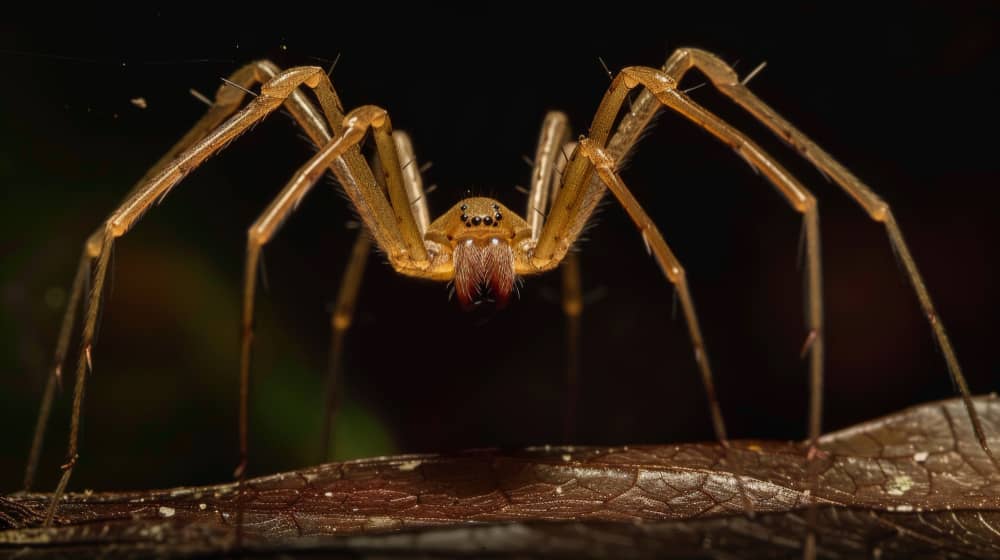
Cellar spiders, often called daddy long-legs spiders, are among the most frequently encountered spiders in Toronto homes. Thin-bodied with extremely long legs, they prefer cool, damp, and undisturbed environments and are most commonly found in basements, crawl spaces, utility rooms, and garages. Cellar spiders construct loose, irregular webs in corners and along wall-ceiling junctions and tend to remain in the same location for extended periods rather than moving actively through the home. In Toronto, where older housing stock in established neighbourhoods frequently includes damp, unfinished basement spaces that provide ideal conditions, cellar spider populations can become quite dense. While cellar spiders are harmless to residents, their persistent webbing in basement and lower-level areas is a common source of concern and a reliable indicator of broader spider and insect activity in the lower areas of the structure.
The Common House Spider
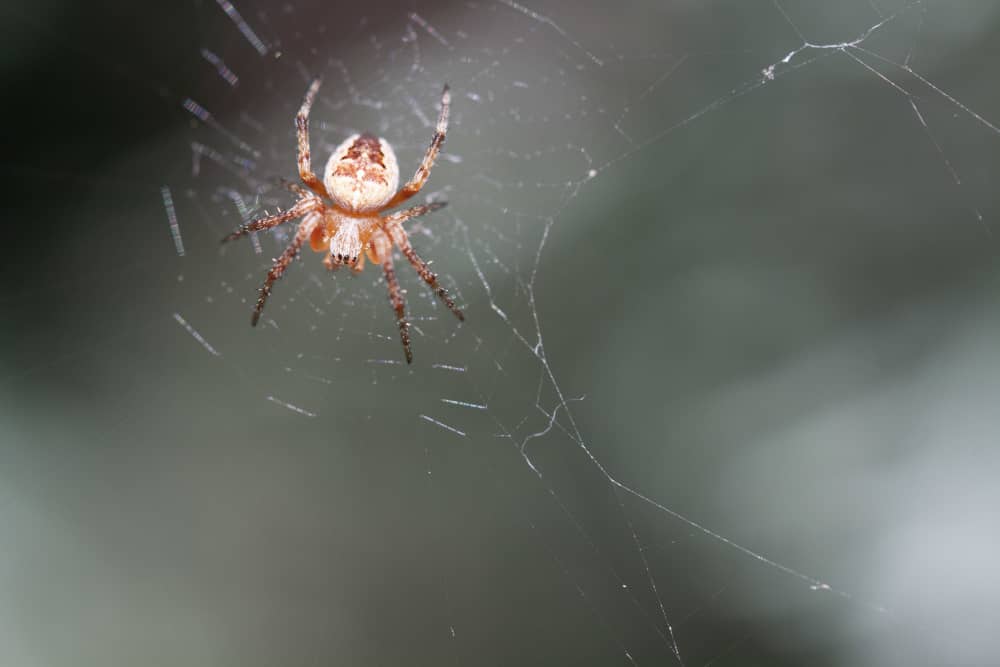
The common house spider is the species most frequently responsible for the tangled, irregular cobwebs found in the corners of rooms, around window frames, beneath furniture, and in garages and storage areas across Toronto homes. These small, brown spiders are highly adaptable and will establish webs wherever insect activity provides a reliable food source. Common house spiders prefer dry, undisturbed environments and will abandon web locations that fail to produce sufficient prey, building new webs in more productive areas. In Toronto, their activity increases in late summer and fall as cooling outdoor temperatures drive both insects and spiders toward the interior of residential structures. Their presence in large numbers is a reliable indicator that insect activity inside the home is supporting an active spider population.
The Fishing Spider
Fishing spiders are large, striking spiders associated with the waterways, ravines, and moist natural areas that run through and around Toronto. Species active in the region are commonly found near the Don River, Humber River, and their tributary ravine systems, as well as in the moist basement and crawl space environments of homes located adjacent to these corridors. Fishing spiders do not build webs to capture prey but hunt actively, moving quickly across surfaces including walls and floors. Their large size, often with a body length exceeding two centimetres and a leg span significantly larger, makes encounters with them alarming for many homeowners. Fishing spiders that enter Toronto homes are typically seeking moisture or shelter and are most commonly encountered in basements and lower-level areas of properties near the city’s ravine and waterway systems.
The Zebra Jumping Spider
Zebra jumping spiders are small, distinctively patterned spiders commonly found on the exterior surfaces of Toronto homes, particularly on sun-warmed brick, siding, and window frames during the warmer months. Unlike web-building spiders, jumping spiders hunt actively by stalking and leaping onto prey, and their excellent vision means they are often observed appearing to watch and track movement nearby. They frequently enter Toronto homes through gaps around window and door frames, particularly on sun-exposed sides of the structure. While zebra jumping spiders are harmless and often considered relatively appealing by those not troubled by spiders generally, their active movement through the home’s interior can be startling, and persistent entry through identified gaps warrants attention as part of a broader exclusion effort.
The Yellow Sac Spider
Yellow sac spiders are active hunters found throughout Toronto that construct small silk sacs in corners, along wall-ceiling junctions, and beneath furniture rather than building the traditional webs associated with most house spiders. They are pale yellow to beige in colour and are primarily nocturnal, moving actively through the home after dark in search of prey. Yellow sac spiders are one of the more commonly encountered spider species in Toronto homes during fall and winter, as populations that were active outdoors through summer seek interior shelter as temperatures cool. Their bite, while rarely serious, can produce localised irritation and mild symptoms in sensitive individuals, making them one of the more relevant species from a health perspective among the spiders commonly encountered inside Toronto homes.
Professional Spider Control for Toronto Properties
Identifying the spider species active on your property is the starting point for effective control, but accurate identification and the right treatment approach require professional expertise. Mosquito Man provides spider control in Toronto that begins with a thorough inspection, assesses which species are contributing to the problem, and applies targeted interior and exterior treatments designed to eliminate active populations and reduce the conditions sustaining them. Contact Mosquito Man today to schedule a professional assessment for your Toronto property.