7,500+ Reviews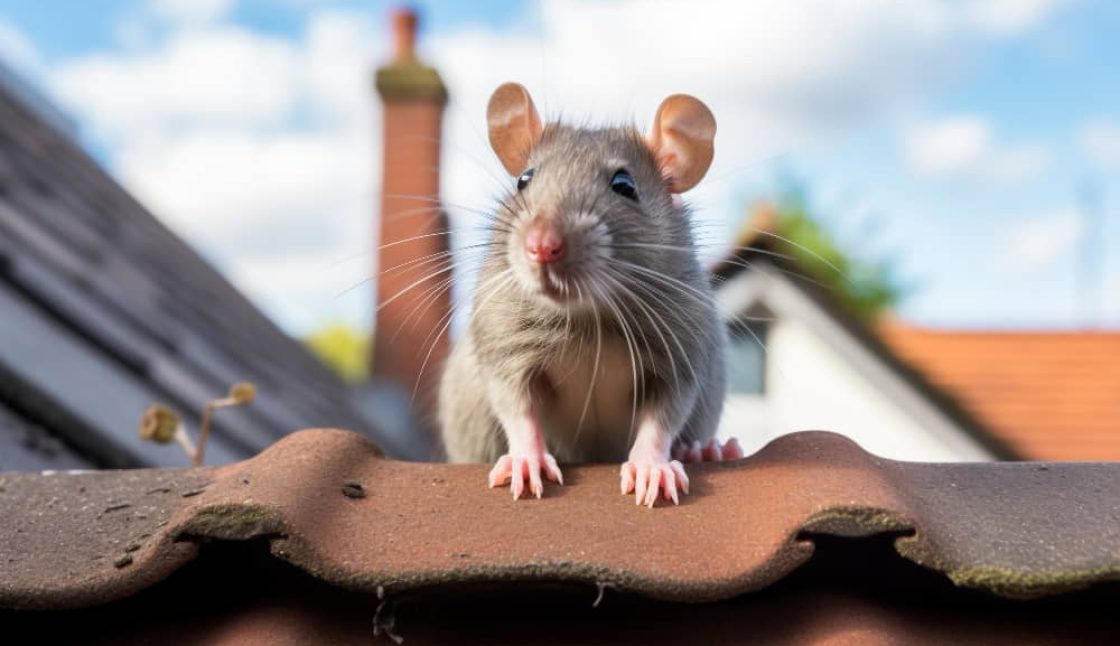
Knowing which rodent species are most likely to enter your Windsor, Ontario home is an essential part of effective rodent control in Windsor. Different species behave differently, occupy different areas of the structure, and require different control approaches. Identifying what you are dealing with at the outset ensures the right strategy is applied from the start.
The House Mouse
The house mouse is the most commonly encountered rodent in Windsor residential properties across all neighbourhood types and housing ages. Highly adaptable and capable of entering through gaps as small as six millimetres, house mice establish nesting sites quickly in wall voids, insulation, cabinet spaces, and storage areas. They contaminate food storage areas and surfaces with droppings and urine, gnaw on structural materials and electrical wiring, and reproduce rapidly enough that a small initial intrusion can become a significant infestation within weeks if not addressed. In Windsor, house mice are active across the full range of the city’s housing stock from the historic homes of Walkerville and Sandwich Town to the post-war bungalows of South Windsor and the newer subdivisions of the city’s western communities, and they are the most frequently encountered rodent species in residential rodent control calls throughout the year. Windsor’s mild southwestern Ontario climate means that house mouse populations remain active for a longer portion of the year than in colder parts of the province, with less severe winter suppression of indoor populations than is typical further north or east.
The Norway Rat
Norway rats are the most significant rat species in Windsor and are directly associated with the Detroit River waterfront, the city’s working port and industrial waterfront areas, the Turkey Creek and Canard River corridors running through Windsor’s established communities, and the storm and sanitary sewer infrastructure beneath the city’s older urban residential areas. Powerful burrowers and excellent swimmers, Norway rats establish burrow systems beneath foundations, along retaining walls, in compacted soil adjacent to structures, and in crawl spaces, and they thrive in the waterway environment and urban sewer infrastructure of Windsor’s established urban core. Inside structures, Norway rats occupy the lowest levels including basements and crawl spaces and cause serious damage to structural materials, plumbing, insulation, and electrical components through their constant gnawing activity. Windsor’s downtown core, Ford City, Riverside, and east end communities face the most direct and consistent Norway rat pressure in the city, sustained by the proximity of the Detroit River waterfront and the city’s established sewer infrastructure.
The Deer Mouse
Deer mice are a meaningful concern for Windsor properties in the city’s southwestern and southern suburban communities that border the agricultural landscape of Essex County, and for properties adjacent to the Ojibway Prairie Complex, Holiday Beach Conservation Area, and the other natural areas distributed across Windsor’s western and southern extent. As the primary reservoir host of hantavirus in Canada, deer mice present a health risk that makes professional handling of suspected infestations the strongly recommended approach. Hantavirus can be transmitted through contact with deer mouse droppings, urine, or nesting material, or through inhalation of contaminated airborne particles disturbed from infested areas. Deer mice are recognizable by their bicoloured appearance with a brown back and distinctly white underside and feet, and they prefer nesting in undisturbed stored materials, insulation, and the secluded areas of basements, garages, and sheds. Windsor’s position within the Essex County agricultural landscape means that deer mouse populations in adjacent fields and natural areas are a realistic presence near suburban residential communities at the city’s southern and western edge.
The Roof Rat
Roof rats are agile climbers that access structures from above using overhanging tree branches, utility lines, and rough exterior wall surfaces to reach rooflines, soffits, and attic vents. Windsor’s position as Canada’s southernmost major city and its proximity to the major American urban area of Detroit, through which international rodent movement is a documented possibility via shipping and transport infrastructure, means that roof rats are a more realistic consideration in Windsor than in many other Ontario communities. While Norway rats are the dominant rat species in Windsor, roof rat activity has been documented in southwestern Ontario communities and cannot be discounted. Professional identification when rat activity is suspected is recommended in Windsor, as the correct control strategy differs significantly between Norway and roof rat infestations and applying the wrong approach reduces effectiveness and extends the time needed to resolve the problem.
The Meadow Vole
Meadow voles are stocky, short-tailed rodents that inhabit the grassy areas, agricultural field edges, and naturalized ground cover adjacent to Windsor properties, particularly in the city’s suburban communities bordering Essex County’s extensive agricultural landscape. They travel through shallow surface runways and enter structures at ground level through gaps in the foundation or beneath door thresholds. Their presence is most significant for Windsor properties with adjacent garden areas, unmown fields, or dense low-growing vegetation near the foundation, and they are most likely to attempt entry into residential structures in fall as outdoor conditions deteriorate. In Windsor’s southern and western suburban communities, where residential development interfaces directly with Essex County farmland, meadow vole pressure can be a consistent seasonal concern. Control follows similar exclusion and trapping principles as for house mice, with management of ground-level vegetation immediately adjacent to the foundation playing an important role in reducing ongoing pressure on the structure.
Professional Rodent Control for Windsor Properties
Identifying the rodent species active on your property is essential to effective control, and accurate identification requires professional expertise. Mosquito Man provides rodent control in Windsor that begins with a thorough inspection, assesses which species are contributing to the infestation, and applies targeted interior treatment and exterior exclusion measures designed to eliminate the active population and prevent reinfestation. Contact Mosquito Man today to schedule a professional assessment for your Windsor property.