

-

-
5.0 Rating
 4,000+ Reviews
Call for a free estimate
Where are you located?

 4,000+ Reviews
Rodent control London services by Mosquito Man offer effective rat extermination and mice removal with thorough pest inspection and proven rodent trapping techniques. We provide safe rodent control methods for both residential and commercial properties, ensuring long-lasting pest management and urban pest control solutions. Learn more about our rodent control services.

The Services
Mosquito Man offers rodent control solutions. We manage and eliminate rodents using eco-friendly methods. Our services, which include rodent proofing, trapping, and exclusion, ensure a safe environment for residential and commercial properties.
AREAS WE SERVE RODENT CONTROL
what we do
Our licensed technician will perform a thorough inspection of the home, looking for evidence of rodent activity. We’ll set up strategically placed bait stations near entry points and high traffic areas. We’ll also seal off small entry points to keep any future rodents from finding their ways indoors!
If rodents return in between visits, we’ll come back with no extra chage! That’s the Mosquito Man promise.
Our Method
Your service starts with a thorough inspection by a highly-trained technician. We build a complete, customized plan, spotting conditions conducive to mosquito existence, tackling current populations, and breaking the never-ending cycle so you can enjoy your yard.
We thoroughly inspect for signs of mosquito activity and identify breeding grounds — standing water, old tires, buckets, wheelbarrows, empty planters. We treat these at the source to eliminate the next generation before it hatches.
Mosquitoes roost in trees, bushes, and shrubs. We use a backpack sprayer to target these areas directly. The spray contacts mosquitoes on contact and clings to foliage, keeping them away for weeks to come.
what we offer
Rodent Control
4 Visits over the course of 12 months. At the first visit, we place bait station(s) on the property in key areas in which the activity is noticed. After 2 weeks, we return to investigate the level of the infestation, plug entry points and refill the bait stations. We continue to return every 3 months to refill the stations and assess the levels of activity.
Why Us
We’re passionate about helping people just like you get rid of unwanted pest problems. As such, we are proud to be the only pest control company in Ontario promising excellence in value, service, and trust.
We’re not happy unless you are. So if you’re not satisfied with your most recent service, we’ll make it right. That’s our Super Hero Guarantee.
We know you are putting a lot of trust in our family. So we promise to treat you and your home with the respect and care you deserve, always.
Services Area
Mosquito Man has been protecting homes and yards across Ontario for over 8 years.
We cover: Barrie, Brampton, Burlington, Caledon, Cambridge, Hamilton, Kingston, Kitchener, London, Markham, Mississauga, Oakville, Oshawa, Richmond Hill, Sarnia, Sudbury, Toronto, Windsor, Woodstock and many surrounding communities.
Client Feedback


Services Area
Mosquito Man has been protecting homes and yards across Ontario for over 8 years.
We cover: Barrie, Brampton, Burlington, Caledon, Cambridge, Hamilton, Kingston, Kitchener, London, Markham, Mississauga, Oakville, Oshawa, Richmond Hill, Sarnia, Sudbury, Toronto, Windsor, Woodstock and many surrounding communities.
Don’t let pests take over your home.
Get a customized treatment plan from our experts and enjoy peace of mind all year round.
Rodents cause real problems for homes and businesses in London. Getting rodent control london services helps keep your place safe and clean. Whether rats or mice invade, experts can make sure pests leave for good.
Rodents breed fast. That means problems can grow before you notice. They chew on things, spoil food, and spread disease. Spotting signs early helps stop big issues later.
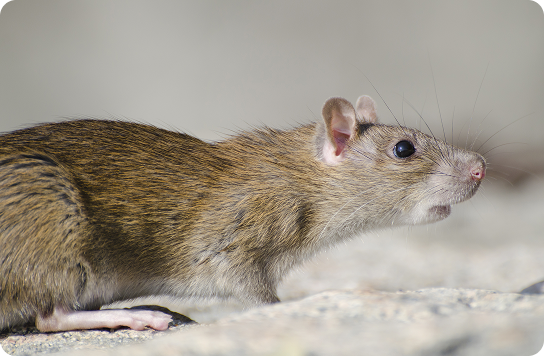
– Rats live mostly in cities. They’re bigger than mice and hide in basements or attics.
– Mice are smaller but still cause damage. They often stay inside walls or cupboards.
Homeowners face typical problems like food left out or messy areas that attract rodents. Services focus on fixing these.
Businesses deal with more people and building challenges. Regular checks help spot issues early.
Experts know local pests well. They offer plans made just for your needs—whether at home or work. They also give advice to keep rodents away after treatment.
Simple steps help a lot:
If you have a mouse problem at home or a rat issue at your business, calling rodent exterminator london pros is smart. It protects your space from pests and keeps everyone healthier around you.
Rat infestations show up with some clear signs. You’ll often see rodent droppings. These look like small, dark pellets near food or along walls. Rats also leave gnawing damage. They chew wood, wires, and plastic to keep their teeth sharp. Look for greasy rub marks where their fur touches walls. You might hear scratching noises inside walls or ceilings at night too. Rats can spread diseases through their urine, droppings, and bites. These health hazards make early detection very important to protect your home and family.
Mouse infestations are sneaky but not invisible if you watch closely. You may find tiny droppings about the size of a grain of rice near nesting sites like cupboards or behind appliances. Shredded paper or fabric shows mice making nests inside your home. House mouse species like quiet spots near food and water sources inside houses. Catching these signs early helps stop bigger infestations that can cause damage and spread sickness.
London homes face a few common rodent species:
Knowing which rodent is causing trouble helps pick the right rodent control london method for better results.
Safe rodent control means getting rid of pests without hurting people or pets. Qualified experts use tested pest control treatments to kill rodents safely and reliably. In London, effective rodent removal mixes inspection, trapping, and blocking entry points. These pest control solutions work fast to cut down infestations and stop them from coming back.
Rodent traps help catch mice and rats inside homes or buildings. Snap traps kill rodents quickly by snapping shut, which causes less pain. Bait stations use non-toxic baits placed where kids or pets can’t reach them, making this an eco-friendly choice that’s humane. A mouse exterminator in London picks traps based on how bad the problem is and where it’s located to keep things safe and effective.
To stop rodents from coming back, sealing entry points is key. These include cracks around doors, windows, pipes, vents, and the building foundation. Changing the environment helps too — cleaning up food scraps and clutter cuts down rodent attractions indoors. Pest exclusion methods plus fixing any broken structures build strong barriers against future infestations.
Eco-friendly rodent control follows integrated pest management (IPM) principles. This method avoids using chemicals over and over again. Instead, it uses non-toxic baits combined with changing the habitat to reduce pests naturally. Sustainable pest control focuses on killing rodents while protecting the environment at the same time.
Mosquito Man uses these smart methods for safe rodent removal in London. They combine expert skills with eco-friendly ways to keep places rodent-free without harm.
Rodents in London love places where food and shelter are easy to find. Businesses need pest prevention to stop these critters from causing problems. Professional qualified experts spot where rodents get in and remove their nests fast. They use trusted professional solutions that include ongoing monitoring. Commercial rodent control in London means careful checks combined with safe methods. These steps help businesses stay clean and follow local health rules.
Keeping pests away is a must for stores and food spots. Rodents can spread dirt that leads to health risks. Here’s what businesses get:
These actions keep customers safe and trust strong.
Hotels, restaurants, and cafes need quiet fixes. Discreet service keeps guests happy by not making a fuss. The goal is quick work with little disruption. Here’s what matters most:
This way, the business runs smooth without rodent worries.
Rodents can show up suddenly at any place. That’s why rapid response services are key. Quick removal helps stop damage to goods or buildings fast. Plus, ongoing monitoring keeps watch for new signs of pests. The plan includes:
This mix helps keep businesses safe without stress or alarm.
Rodent control costs in London depend on a few main things. The property size matters a lot. Bigger places usually cost more. Also, how bad the rodent infestation is will change the price. Commercial rodent control London often costs more than residential rodent control London because businesses need stronger treatments.
You need a tailored pest control plan to get good results. These plans match the treatment to your needs and keep your property safe. A customized plan looks at things like entry points rodents use, what kind of rodents are there, and how often the visits happen.
Clear pricing helps you avoid surprises later. When pest control London services explain what’s included, you know exactly where your money goes.
Urban rodent control needs local knowledge across all London boroughs. Professional qualified experts use trusted professional solutions made for each area’s needs. Whether you live near busy city centers or quieter suburbs, pest removal London services cover it all.
Local conditions vary, so knowing the area helps tackle problems like seasonal rodent activity or types of buildings common there. This wide service area means homes and businesses get consistent help no matter where they are in London.
Getting pest inspection London quotes starts with a thorough inspection from trained pros. They find the problem spots before starting any treatment. This gives clear guidance on what to do next.
Many companies offer contactless quote processes now. This makes things easy and safe without losing detail or accuracy. You get an estimate based on what the experts actually see, not just average prices.
Free inspections help both homeowners and business owners decide what pest control steps they should take. They make sure everything is clear from the start of every service call.
Picking the right pest control experts matters a lot when dealing with rodents in London. Professional qualified experts bring solid experience and proven methods to every job. They focus on customer satisfaction by giving solutions that are safe, long-lasting, and just right for each case. A reliable partner knows local pest habits well and uses trusted professional solutions to protect homes without harsh chemicals. Expert technicians work hard to bring comfort back, building trust with clear talk and steady results.
Here’s what you get with these pros:
Real stories from Londoners show how rodent control services do their job. Case studies reveal before-and-after results that prove pests disappeared fast. You’ll find video and written reviews that share honest opinions about the service quality. People talk about guaranteed results and quick response times. These testimonials help new customers feel sure about choosing these pest management teams.
Look out for:
Certified pest control operators bring top skills to every treatment plan. BPCA/RSPH-certified technicians mix strong industry knowledge with deep local know-how of London’s unique setting. This certification means they follow safety rules closely while using effective ways to fight rodents and other common pests in the area. Such credentials show professionalism you can count on when facing tough pest problems.
What makes them stand out:
Every service comes with a strong guarantee plus free re-visits or follow-up checks if pests return after treatment. Ongoing prevention advice helps homeowners keep rodents away by spotting weak spots or attractants early. This support keeps you calm, knowing expert care doesn’t stop once the pests leave. Instead, it goes on with smart tips made for lasting protection in both homes and businesses across London.
What you can expect:
What is the best way to prevent rodent infestation in London properties?
Prevent rodent infestation by sealing rodent access points and maintaining sanitation measures. Regular pest inspections help detect early signs of rodents.
How does Mosquito Man ensure safe rodent removal in London?
Mosquito Man uses eco-friendly methods and industry leading expertise for safe rodent control. They combine trapping, baiting, and proofing for effective removal.
Can Mosquito Man provide ongoing monitoring for pest prevention London-wide?
Yes, Mosquito Man offers ongoing monitoring and proactive pest management to keep properties pest free and comply with pest control regulations.
What kind of rodent extermination methods does Mosquito Man use?
Mosquito Man employs targeted solutions including snap traps, rodent baiting, and wildlife exclusion techniques tailored to urban pest challenges.
Are Mosquito Man’s technicians certified for professional pest control services in London?
Yes, all technicians hold BPCA/RSPH pest control certification. They have local knowledge and use advanced pest control equipment.
How quickly can I expect a response from Mosquito Man’s rapid response services?
Mosquito Man provides prompt service with minimal disturbance. Their rapid response services handle infestations quickly to reduce health risks.
What does a customized pest management plan from Mosquito Man include?
It includes a thorough pest control inspection, identification of rodent breeding sites, structural repairs, and ongoing pest control maintenance.