Are pest control treatments in Hamilton safe for families, pets, and older homes? Mosquito Man uses low-toxicity methods and follows professional safety standards to protect children, pets, and historic properties while ensuring effective pest control with proper application and follow-up care.
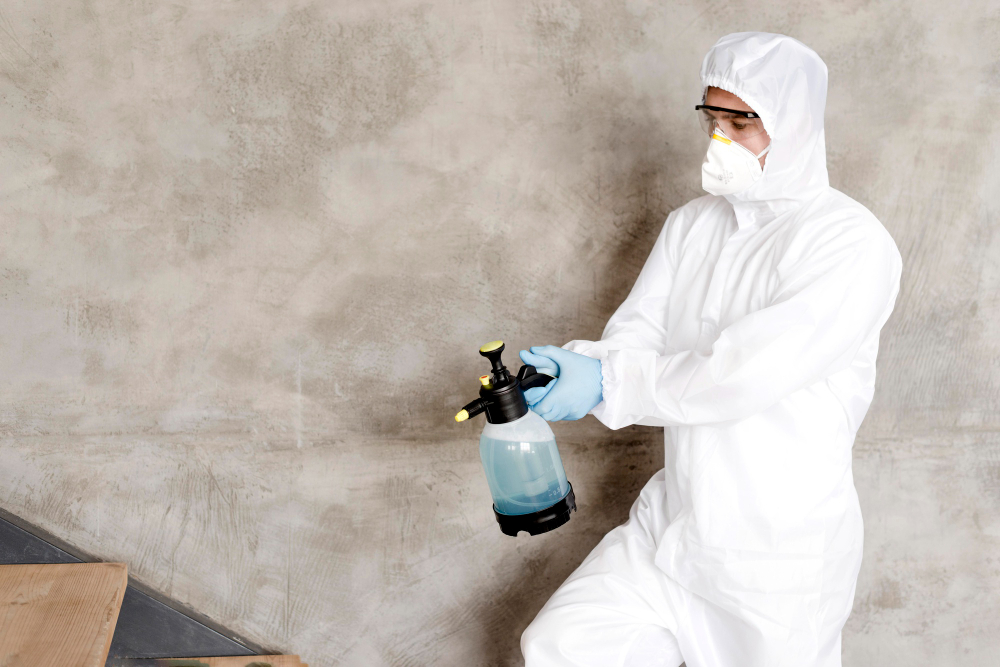
Freepik
Safety Concerns for Families, Pets, and Seniors in Hamilton
When you think about pest control in Hamilton, safety should come first—especially if you have kids, pets, or seniors at home. Knowing the risks helps you pick the right methods to keep everyone safe.
Health Risks Posed by Common Pests
Pests like rodents and bugs can cause health problems. Here’s what they can do:
- Pest-Borne Diseases: Rodents carry diseases such as hantavirus and leptospirosis.
- Respiratory Distress: Cockroach droppings may trigger asthma or breathing troubles.
- Allergic Reactions: Bed bug bites often cause itching and allergies in sensitive folks.
These risks show why good pest control matters.
How Pest Control Treatments Address Family and Pet Safety
Pest control now uses safer methods that protect your family and pets. Some examples:
- Child-Safe Pesticide Options: These products avoid harsh chemicals to keep kids safe.
- Pet-Friendly Pest Control: Treatments work without harming your furry friends.
Choosing companies that apply treatments carefully helps reduce exposure for those who are vulnerable.
Special Considerations for Seniors and Vulnerable Individuals
Older adults may react more strongly to chemicals. Keep this in mind:
- Vulnerable Populations Pest Safety: Plans should consider people sensitive to pesticides.
- Safe Pest Control Application: Experts need to use ways that lower direct contact but still get rid of pests.
This helps protect seniors and gives families peace of mind.
Treatment Options Suitable for Older and Historic Homes
Older homes need special care when it comes to pest control. You want to get rid of pests without hurting the building itself.
Challenges of Pest Control in Older Homes
Older houses have unique problems like:
- Structural Pest Damage: Termites and similar bugs can ruin wood supports.
- Pesticide Exposure Risks: Lead paint or other hazards mean treatments must be extra careful, especially around kids.
Knowing these issues guides you toward better choices for your home.
Low-Impact Methods to Protect Historic Building Materials
Using gentle pest solutions protects fragile materials in old homes. Try these options:
- Natural fixes like diatomaceous earth
- Eco-friendly traps aimed at certain pests
- Integrated pest management (IPM) that focuses on preventing problems instead of heavy chemicals
These methods protect both your house and the people living in it.
Selecting Treatments That Minimize Property Damage
When dealing with older buildings, follow steps that guard property features while stopping pests:
- Use precise treatments instead of spraying everywhere
- Get regular check-ups after treatment
- Learn how to maintain your home against future pests
Being careful with how you apply treatments lowers risks from pesticides and keeps your home safe for years.
Eco-Friendly and Low-Toxicity Pest Control Methods
Using safe pest control methods matters a lot for your family, pets, and home. Eco-friendly pest treatment aims to lower harm to the environment while dealing with pests. These sustainable ways use low-toxicity products to cut risks for people and animals.
Overview of Environmentally Responsible Pest Control Practices
Environmentally responsible pest control uses green pest control methods to protect nature. These include organic pest control products made from natural stuff that break down fast and don’t leave bad residues. Sustainable methods focus on stopping problems before they start by changing habitats or using targeted treatments—not spraying chemicals everywhere.
These eco-friendly pest treatments cut pollution and help useful insects like pollinators. When you pick biodegradable pesticides, you keep soil and water clean but still fight pests well.
Main points of eco-friendly practices:
- Use products from natural or organic sources
- Focus on long-term ways to stop pests
- Avoid harming animals not meant to be treated
- Lower chemical runoff into soil and water
Integrated Pest Management (IPM) as a Safer Approach
Integrated Pest Management (IPM) uses many tactics to manage pests safely. IPM means checking pests carefully before doing anything. It uses physical barriers, traps, or natural controls when it can.
Chemicals only come in as a last choice in IPM. And when used, it’s with low-toxicity options made to protect people, pets, and plants.
IPM cuts pesticide exposure by hitting just the right pests at the right times. Using IPM pest control means safer treatments that still keep bugs away.
Benefits of Using Low-Toxicity Products Around Families and Pets
Low-toxicity pest solutions give peace of mind if you worry about kids or pets around chemicals. These family-safe treatments skip harsh chemicals that often cause allergies or poisonings in normal pesticides.
Pet-friendly pest control keeps animals safe without needing them to leave the house for long after treatment. Allergy-friendly options help people who react badly to strong chemical smells or leftovers.
Using these mild but strong products keeps indoor air cleaner while handling pests near sensitive family members.
Professional Safety Standards and Regulations in Hamilton
Pest control in Hamilton follows strict rules made to keep people safe during treatments. Licensed pros must obey Canadian laws about pesticides—making sure they meet Health Canada’s Pest Management Regulatory Agency (PRMA) safety rules.
Canadian Regulations Governing Pest Control Products and Application
In Canada, only Health Canada-approved products can be used for homes. The PRMA checks each product’s safety based on how toxic it is for humans, pets, wildlife, water, and soil.
Ontario has rules that match the national standards too. They require careful storage, handling, plus keeping records after every job.
This system makes sure pesticides are tested well for things like build-up in nature or risks to groundwater.
Licensing and Certification Requirements for Pest Control Professionals
Exterminators in Hamilton need licenses proving they passed training on safe pesticide use under local laws. Licensed pesticide applicators know how to:
- Check how bad infestations are
- Pick safe treatment choices
- Follow all required steps exactly
- Explain clearly what customers need to do before service
Certified techs keep learning new info about rules or safer ways through ongoing education.
How Compliance Ensures Safety for Homes and Residents
Following license rules helps spot risks unique to each place—like old houses needing different care or products.
Safety rules focus on child-safe pesticide options too. They protect seniors who might react worse due to age or health.
Proper handling stops contaminants from spreading inside homes; trained pros apply treatments only where needed so exposure stays low.
Clear communication tells clients what care comes next after treatment so protection lasts without risking home health.
Together these steps build a strong shield between everyone at home—including those most vulnerable—and dangers from wrong pesticide use.
Importance of Proper Application Techniques in Pest Control
Proper application techniques keep pest control safe for families, pets, and older homes. Using safe pest control methods lowers health risks while handling pests well. Licensed pesticide applicators follow strict rules to apply chemicals carefully. They also handle products properly. This reduces contact with harmful chemicals and keeps risks low during treatment.
Steps Taken During Exterior Inspection and Source Reduction
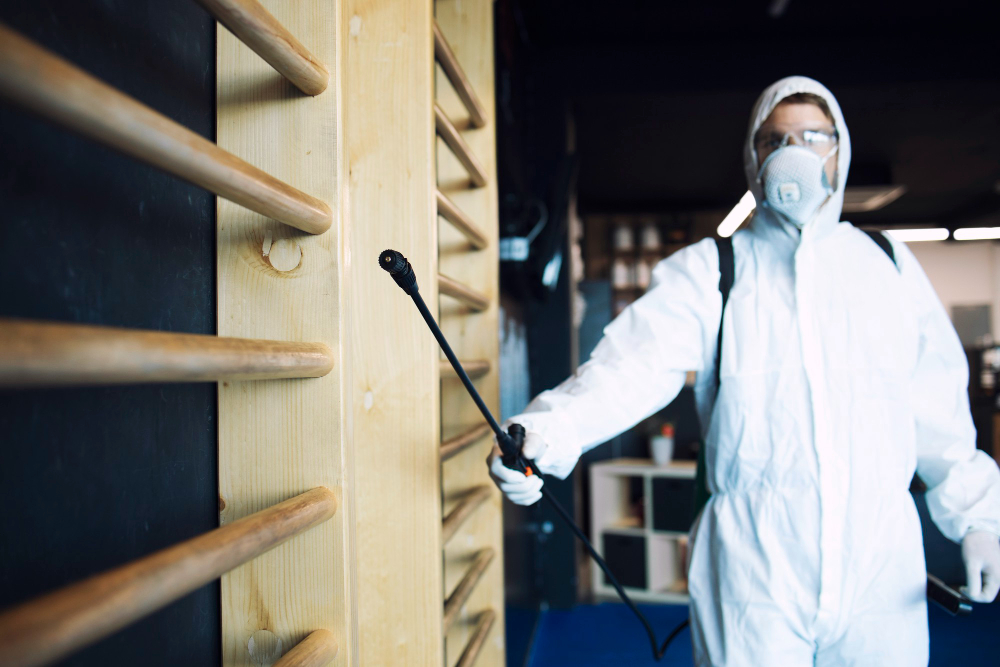
First, experts do a comprehensive inspection of your property. They look closely for pest entry points like cracks or broken screens. Then they seal those openings to stop pests from coming back. Targeted treatment aims only at the problem spots found in the check-up.
Here’s what they do:
- Check the outside thoroughly
- Find and seal places pests can enter
- Treat only the affected areas
This approach controls pests now and keeps new ones away safely.
Application Methods That Reduce Exposure Risks
People worry about kids, pets, and seniors getting sick from chemicals. So, experts pick low-toxicity pest solutions when they can. These leave non-toxic residue that won’t harm after treatment ends. Child-safe pesticide options use mild chemicals that don’t hurt sensitive people or animals.
Pet-friendly pest control uses safe products designed for animals but still fight pests well. These methods work without putting your family at risk.
Role of Seasonal Monitoring and Maintenance in Safe Pest Management
Seasonal pest control means checking for pests regularly all year long. Experts watch for signs before infestations get worse. They keep up ongoing maintenance with quick inspections and fast action if pests show up again.
This stops heavy chemical use by fixing problems fast with safe methods fit for each season’s pests.
Follow-up Care After Pest Control Treatment
Follow-up care helps keep your home pest-free after treatment visits. Professionals come back to check treated spots. They make sure the job worked and fix any leftover issues quickly.
Post-treatment care tells you how to stay safe at home by avoiding treated surfaces until chemicals disappear or settle as instructed.
Guidelines for Re-Entry Timing Post-Treatment
When you can go back inside depends on chemical residue safety rules set by agencies like Health Canada or EPA equivalents elsewhere. Licensed applicators tell you how long to wait before re-entering safely—usually just a few hours depending on the product.
Following this advice keeps your family healthy while letting treatments work without delay or risk.
Recommended Preventative Measures to Maintain a Pest-Free Home
Keeping your home clean helps stop new infestations:
- Seal food tight
- Remove standing water
- Clean kitchen surfaces often
- Throw out garbage properly
These simple steps cut down things that attract pests even after treatment ends.
When to Schedule Regular Inspections and Additional Treatments
Regular inspections every 3–6 months catch pests early so extra treatments can happen if needed without too much chemical use.
Ongoing services give long-lasting protection through steady checks combined with treatments made just for your home’s needs.
Using proper application techniques along with seasonal checks and good follow-up care lets families have safer homes free from pests—even in older houses—with less health risk involved.
Identifying Common Pests in Hamilton and Their Impact on Families and Properties
Hamilton homes have pests that cause trouble for people, pets, and buildings. Rats and mice spread diseases like hantavirus and salmonella. Bugs such as cockroaches, spiders, and bed bugs can cause allergies or make breathing harder, especially for kids with sensitive lungs. These pests are a nuisance but also damage homes by chewing wires or wood.
Controlling pest infestations well keeps families healthy and protects homes from damage. If left unchecked, pests can spread fast indoors and outdoors. This raises risks for seniors, pets, and others who might get sick.
Typical Indoor and Outdoor Pests Affecting Homes in Hamilton
Here are some common pests found inside homes:
- Rodents like mice and rats
- Ants
- Spiders
- Cockroaches
- Silverfish
- Bed bugs
Outside, pests like mosquitoes get worse in certain seasons. You may also see wasps or ticks near gardens.
Urban areas pose challenges because houses sit close together. Pests move easily from one place to another. Pest control in cities needs to keep safety in mind while dealing with these urban invaders all year round.
Health Concerns Linked to Specific Pests Like Rodents, Spiders, and Bed Bugs
Rodents leave droppings that can contaminate food and cause allergies or breathing problems. Spider bites may irritate skin or cause allergic reactions for some people. Bed bugs bite at night, making sleep hard and leading to stress.
Kids are at bigger risk since their immune systems aren’t fully developed. Even small exposure to these pests can make asthma or other breathing issues worse.
Property Damage Risks from Infestations in Older Structures
Older buildings face damage risks from pests like termites or carpenter ants. These bugs eat wood and weaken the structure over time. Historic homes need special care because old materials break easier.
If infestations stay untreated, they speed up decay. That lowers property value unless proper steps are taken quickly with methods safe for old buildings.
Choosing the Right Pest Control Service in Hamilton
It’s smart to pick licensed pesticide applicators who follow rules from Health Canada’s Pest Management Regulatory Agency (PMRA). Professional pest extermination services hire trained technicians who inspect homes thoroughly.
Good companies do full inspections first. Then they create plans using eco-friendly, low-toxicity products approved by Ontario standards. They offer ongoing maintenance to keep protection long-lasting. This helps lower pesticide risks—especially around kids, pets, and seniors needing gentle care.
Key Questions to Ask About Safety Protocols and Treatment Options
- Are your methods safe under Canadian residential standards?
- Do you use Health Canada approved products that break down easily?
- How do you make sure chemical residues stay very low after treatment?
- What steps do you take when treating homes with children, pets, or seniors?
- Can you explain the process clearly before starting?
- Do you offer follow-up visits including cleanup and monitoring?
- Can your treatments protect historic features in older homes?
- Do you use integrated pest management (IPM) with green practices?
Choosing companies that are open about licenses gives peace of mind. You know pesticides get applied carefully with family safety top of mind.
This write-up covers key questions about Are Pest Control Treatments in Hamilton Safe for Families Pets And Older Homes?. It focuses on safe ways that work well for local conditions while showing trust through following rules and using eco-friendly methods that protect health and property alike.
Preparing Your Home for Safe Pest Control Treatment
Getting your home ready before pest control is really important. It helps keep your family, pets, and stuff safe. When you prepare well, the treatment works better and there’s less risk from pests or chemicals inside your home.
Steps Homeowners Should Take Before Professional Service Visits
Before the pro shows up, try these simple steps:
- Clear clutter from floors and counters to give the tech easy access.
- Clean kitchens and bathrooms well. This cuts down food sources for pests.
- Put all food in sealed containers. Don’t forget pet dishes; put those away too.
- Tell the technician about any sensitive spots in your home. Maybe seniors or kids have health issues.
- Talk about the treatment plan during your consultation. A good chat helps them apply things right for your place.
Doing these helps the pro check everything well and use treatments that keep your home safe.
How to Protect Children, Pets, and Sensitive Areas During Treatment
Safety matters a lot when there are kids or pets around. Here’s what usually happens:
- They pick child-safe pesticide options to avoid harsh chemicals near little ones.
- Use pet-friendly pest control like bait stations out of reach for animals.
- For homes with seniors or people with breathing problems, they avoid strong chemicals near living spaces.
The pros follow rules to protect these groups without missing pest spots.
What to Expect During the Treatment Process
Good pest services act polite and clear all through:
- Techs show up on time and respect your home.
- They explain which products they use and what safety steps they take.
- After treatment, they give easy-to-follow tips so pests don’t come back.
This way, you stay informed and comfortable while they work.
DIY Versus Professional Pest Control: Safety Considerations
Choosing between DIY pest control and hiring pros affects safety a lot. Both have big differences.
Limitations and Risks of DIY Methods Around Families and Pets
DIY can be risky because:
- You might handle pesticides wrong and expose kids or pets to danger.
- Using too much or too little can cause problems or even worse pest issues.
Bad reactions like allergies or poisoning can happen if you’re not trained right. That’s why DIY isn’t always safe around family members.
Advantages of Hiring Licensed Professionals for Complex or Sensitive Situations
Experts bring real skill that keeps things safer by:
- Using products low on toxins that fit older homes or special needs.
- Applying treatments with care that follow local rules protecting people, pets, plants, and furniture.
Hiring trained, licensed techs means they inspect carefully then treat exactly what’s needed. This cuts down risks while keeping your home pest-free longer.
Preventing Future Pest Problems with Safe Practices at Home
Stopping pests before they get in is the best plan. You want to keep your home safe and clean. Pest infestation prevention means cutting off what pests like—food crumbs, water, and hiding spots. This helps your home stay protected and cuts down allergens that bother sensitive family members.
Choosing sustainable pest solutions means fewer nasty chemicals around your house. You can still keep pests away without harsh sprays. Just a few small habit changes go a long way for home pest protection.
Practical Tips for Reducing Pest Attractants Without Harsh Chemicals
If you want chemical-free pest removal, start by making your home less inviting. Try these green pest control methods:
- Seal cracks and gaps near doors, windows, and foundation to stop pests from coming in.
- Store food in airtight containers so ants, roaches, or mice can’t smell it.
- Remove standing water like clogged gutters or pet bowls left outside.
- Use organic pest control products such as neem oil or diatomaceous earth as natural repellents.
- Keep kitchen surfaces and trash areas clean with regular routines.
These natural pest remedies work well without using harsh chemicals.
Yard Protection Strategies That Support Eco-Friendly Pest Management
Your yard matters a lot for keeping bugs out. Exterior pest treatments work better if you protect the edges of your property. Try these yard protection strategies that support eco-friendly management:
- Keep grass trimmed and clear away leaf litter where insects hide.
- Plant native plants that attract good bugs that eat pests naturally.
- Use eco-friendly barrier treatments along the foundation instead of spraying everywhere.
This way, you use less pesticide but still keep pests at bay.
Maintaining a Healthy Home Environment Through Regular Care
Regular care helps keep your place safe from pests long term. Home sanitation for pests means cleaning up moisture and dirt they like. For property preservation, do this:
- Check often for leaks or damp spots that attract termites or mold mites.
- Clean vents, drains, and crawl spaces where debris builds up unseen.
- Get professional inspections each year to spot problems early.
Doing these things keeps pests out and helps protect your home’s structure.
Contacting Mosquito Man for Safe, Effective Pest Control in Hamilton
How Mosquito Man Ensures Family, Pet, and Property Safety with Every Service
Family health protection comes first here. They make sure children and pets stay safe by using careful pesticide application protocols. For seniors or people living in old homes, they pick gentle options that still work well.
Their technicians get trained regularly to follow safety rules strictly. This gives you peace of mind while getting effective service done right.
Requesting a Free Quote or Safety Consultation for Your Home
You can ask for a free quote or a detailed consultation anytime. They explain everything clearly with open communication. Each visit starts with a professional assessment to check your home’s needs carefully.
You’ll learn about all treatment choices—how safe they are and how well they work—so you can pick what fits best for keeping your family healthy now and later on.
Frequently Asked Questions: FAQs About Pest Control Treatments in Hamilton Safe for Families, Pets, and Older Homes?
What are the key pest control safety regulations in Hamilton?
Hamilton pest control follows Health Canada and PRMA rules. These set standards for pesticide use, application, and safety to protect families, pets, and homes.
How does pest control follow-up service help maintain safety?
Follow-up visits check treatment success and address remaining pests. They ensure low chemical use and keep families and pets safe from repeated exposure.
Why is pest control licensing important for safety?
Licensed applicators have training in safe pesticide handling and proper application. This reduces health risks for children, seniors, and pets during pest treatments.
What does pest control cleanup involve after treatment?
Cleanup removes residues or bait stations to lower pesticide hazards. It prevents accidental contact by children or pets with harmful substances.
How does pest control certification improve service quality?
Certification shows that technicians meet standards for safe pesticide use and understand environmental regulations to protect clients’ health.
What guarantees should a trustworthy pest control service offer?
Good companies guarantee effective pest eradication with safe, approved methods. They also promise clear communication and follow-up care.
How can a pest control consultation help families with older homes?
Consultations assess home-specific risks like structural fragility or chemical sensitivities. Professionals then recommend suitable, low-impact treatments.
What are humane wildlife removal methods used in Hamilton?
Humane techniques trap and relocate animals without harm. These methods prevent nuisance issues while respecting animal welfare laws.
Essential Precautions for Safe Pest Control Treatments
- Use only pesticides approved by Health Canada to ensure safety.
- Follow all local environmental regulations during treatments.
- Employ targeted pest control methods that limit chemical spread.
- Use allergy-friendly pest control options to protect sensitive individuals.
- Ensure proper handling of equipment to avoid contamination risks.
- Maintain clear pest control communication protocols with homeowners.
- Apply child safety, pet safety, and senior safety measures throughout service.
- Support sustainable pest solutions that minimize ecological impact.
- Practice contaminant prevention by sealing treated areas post-application.
- Promote comfort during treatment through patience, kindness, and clear instructions from professionals.